

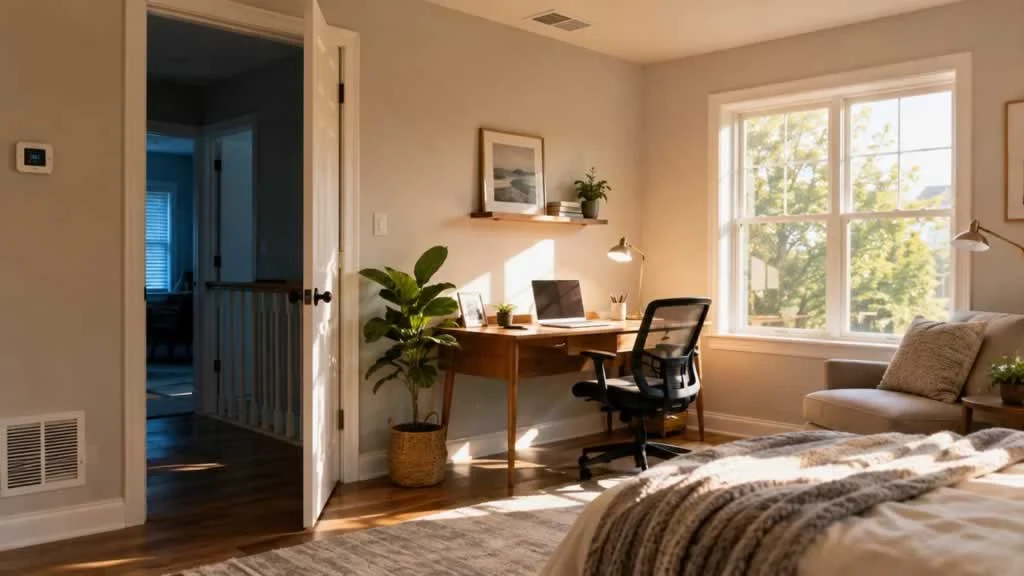
Most homes have at least one room that refuses to cooperate. The bedroom stays chilly while the rest of the house feels fine. The upstairs office turns into a sauna every afternoon. The room over the garage seems to have its own weather system.
These comfort problems are common, but they are not always caused by the heating or cooling equipment itself. Airflow, insulation, duct design, sunlight, room layout, and even thermostat location can all affect how comfortable a space feels. A qualified HVAC company in Spokane, WA can evaluate the entire system rather than simply assuming the furnace or air conditioner is too small.
The good news is that many uneven-temperature problems can be corrected without replacing the whole system. The first step is understanding why the room behaves differently from the rest of the house.
Start With Airflow
When one room is consistently too warm or too cold, restricted airflow is one of the first things to investigate.
Every room depends on supply vents to deliver conditioned air and return pathways to move air back toward the HVAC system. When either side of that circulation pattern is disrupted, the room may never reach the same temperature as nearby spaces.
Common airflow problems include:
- Closed or partially blocked supply registers
- Furniture placed directly over floor vents
- Dirty air filters
- Crushed, disconnected, or poorly sized ducts
- Closed interior doors that restrict return airflow
- Dampers that were adjusted incorrectly
- Excessively long duct runs
A blocked register is easy to fix. A poorly designed duct branch is not. That is why homeowners should begin with the obvious checks but avoid assuming every problem has a do-it-yourself solution.
Move furniture away from vents, confirm that registers are fully open, and replace a dirty filter if needed. Then pay attention to the strength of the airflow. If one vent barely moves air while nearby vents perform normally, there may be a restriction or leak inside the ductwork.
Closing vents in comfortable rooms is usually not the best answer. It may seem logical to redirect more air toward the problem area, but many residential systems are designed to operate with a specific amount of airflow. Closing too many vents can increase pressure in the duct system, reduce efficiency, create noise, and place additional strain on the equipment.
Look Beyond the HVAC Equipment
A room can receive plenty of heated or cooled air and still feel uncomfortable because the building envelope is working against the system.
The building envelope includes the walls, windows, doors, ceilings, floors, insulation, and air barriers that separate the indoor environment from outdoor conditions. Weaknesses in any of these areas can produce noticeable temperature differences.
For example, a room above an unheated garage often loses more heat through the floor during winter. A west-facing bedroom may absorb intense afternoon sun in summer. An older addition may contain less insulation than the original part of the house. A drafty window can make a room feel cold even when the thermostat shows an acceptable temperature.
Typical building-envelope problems include:
- Missing or compressed attic insulation
- Poorly insulated exterior walls
- Air leaks around windows and doors
- Unsealed attic access panels
- Gaps around plumbing or electrical penetrations
- Thin insulation above garages or crawlspaces
- Older single-pane windows
- Strong solar heat gain
A simple visual inspection may reveal obvious issues, but thermal imaging and professional energy assessments can identify temperature differences that are difficult to see.
Homeowners can often improve comfort by sealing gaps, adding weatherstripping, installing insulated window coverings, or improving attic insulation. These upgrades may also reduce the amount of time the HVAC system needs to run.
Curtains and blinds deserve more credit than they usually receive. Closing insulated shades during the hottest part of a summer afternoon can noticeably reduce heat gain. In winter, opening curtains on sunny windows during the day and closing them at night can help retain warmth. It is not glamorous, but neither is paying to condition the outdoors.
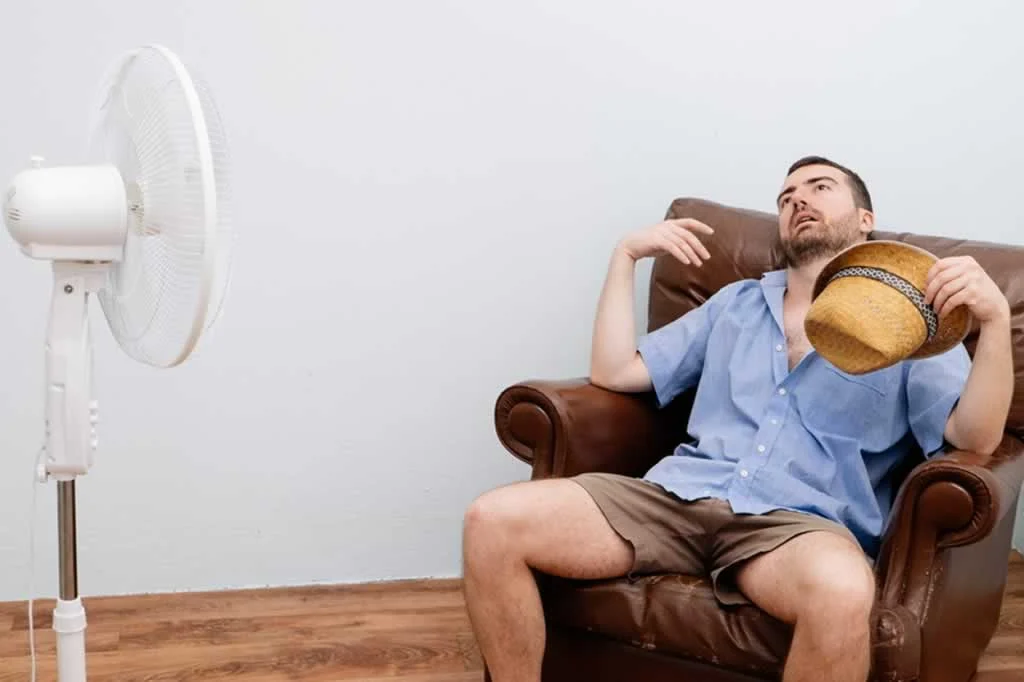
Consider the Room’s Location and Use
Not every room has the same heating and cooling needs.
Upper floors tend to become warmer because heat rises and because attic temperatures can influence the rooms below. Basements are often cooler due to ground contact and limited sunlight. Rooms with vaulted ceilings contain more air volume than similarly sized rooms with standard ceilings.
Daily use also matters. A home office with two computers, multiple monitors, and a closed door can become much warmer than an empty guest room. Kitchens generate heat from appliances. Large televisions, exercise equipment, lighting, and several occupants can all affect room temperature.
Ask a few practical questions:
- Does the room receive direct sunlight?
- Is it located above a garage or crawlspace?
- Does it have more exterior walls than other rooms?
- Is the door usually closed?
- Are there heat-producing electronics inside?
- Was the room added or remodeled later?
- Does it have adequate supply and return airflow?
These details help distinguish an HVAC failure from a room-specific load problem.
A converted attic is a good example. The main HVAC system may have been designed before the attic became living space. Once walls, furniture, lighting, and occupants were added, the room’s heating and cooling needs changed substantially. Simply extending a small duct into the new space may not provide enough capacity.
Check the Thermostat and System Controls
A central thermostat can only measure the temperature where it is installed. It does not know that the upstairs bedroom is six degrees warmer or that the back office feels unusually cold.
Thermostat placement can create misleading system behavior. A thermostat located near a sunny window, drafty doorway, kitchen, supply vent, or frequently used fireplace may cause the system to turn on or off at the wrong time.
Suppose the thermostat is in a cool central hallway. The air conditioner may stop running as soon as that hallway reaches the set temperature, even though sun-facing bedrooms remain too warm. The equipment may be functioning properly; the control system simply lacks information from the uncomfortable rooms.
Possible solutions include:
- Relocating the thermostat
- Installing remote temperature sensors
- Using a smart thermostat that averages multiple sensors
- Creating HVAC zones
- Adding separate controls for an addition or upper floor
Zoning systems use dampers and multiple thermostats to control different areas independently. They can be useful in larger homes, multi-story properties, and houses with major differences in sun exposure or occupancy.
However, zoning needs to be designed carefully. Adding motorized dampers without considering airflow, equipment capacity, and static pressure can create new problems. This is a job for an experienced contractor, not a collection of online tutorials and optimistic weekend plans.
Know When the Problem Points to the HVAC System
Sometimes the room is uncomfortable because the HVAC system does need repair or modification.
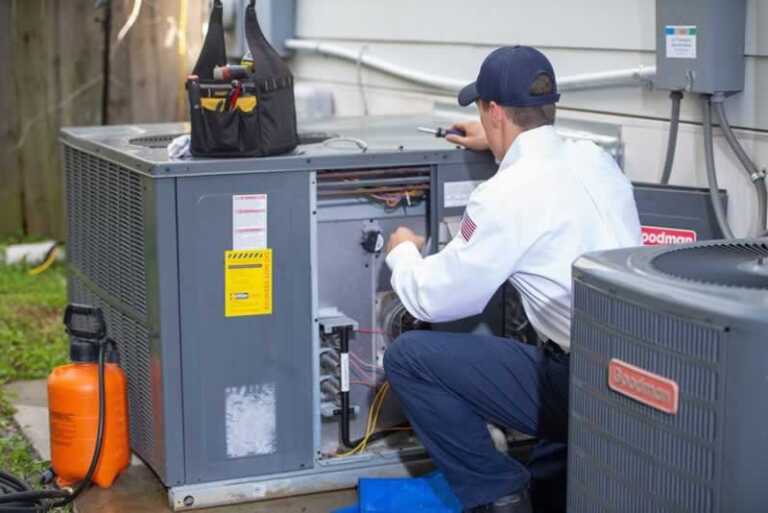
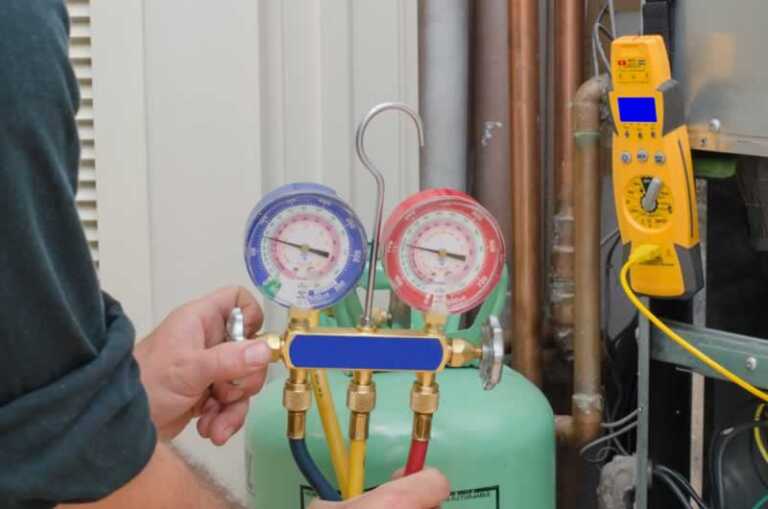
Weak airflow throughout the house, unusual noises, frequent cycling, inconsistent operation, frozen coils, and rising energy bills can indicate a mechanical problem. A blower motor may be failing. The indoor coil may be dirty. Refrigerant levels may be incorrect. The system may be overheating or shutting down early.
An experienced HVAC repair company can measure system airflow, static pressure, temperature change across the equipment, and operating performance. Those measurements are more useful than guessing based on the age of the unit alone.
System sizing is another possible issue.
An undersized system may struggle to maintain comfortable temperatures during extreme weather. An oversized system can also create discomfort because it heats or cools the house too quickly, then shuts off before air is distributed evenly.
Oversized air conditioners may short cycle and provide poor humidity control. Oversized furnaces can create strong temperature swings, with rooms becoming hot quickly and then cooling down between cycles.
Proper sizing should be based on a detailed heating and cooling load calculation. Square footage alone is not enough. Insulation levels, window area, orientation, ceiling height, air leakage, local weather, and room use all affect the result.
When Supplemental Equipment Makes Sense
Some comfort problems cannot be solved efficiently through the central system alone.
A finished attic, detached workspace, enclosed porch, converted garage, or recent addition may benefit from a dedicated system. Extending existing ductwork may be expensive, impractical, or ineffective.
In these situations, a ductless mini-split can provide independent heating and cooling without major duct modifications. These systems are often useful for rooms that are used at different times from the rest of the house.
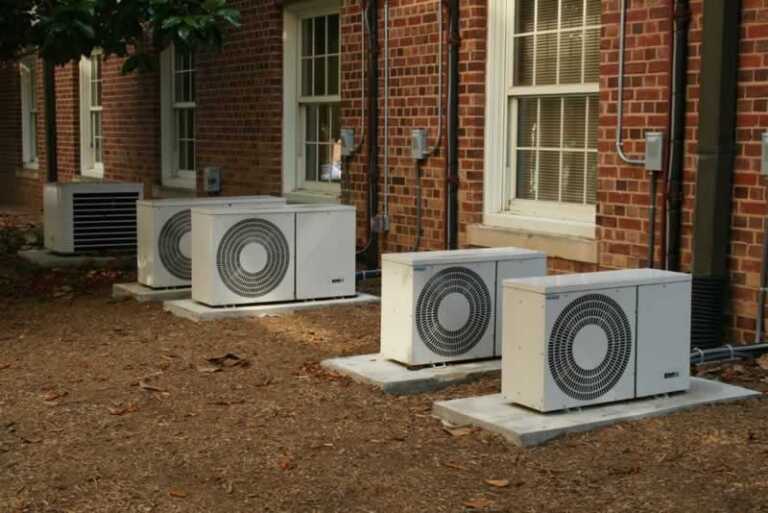
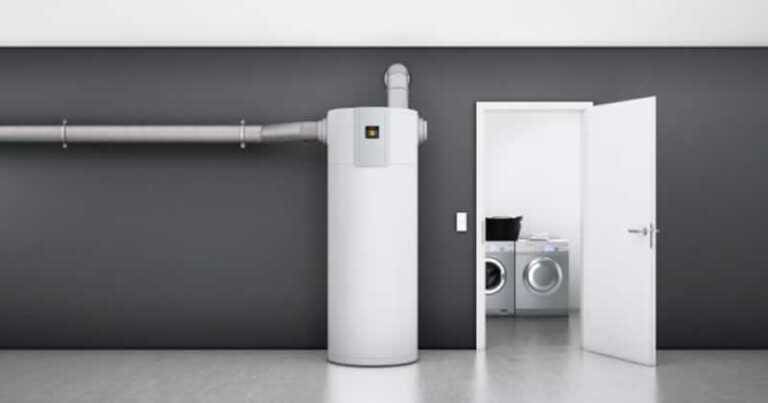
For homeowners planning a larger equipment upgrade, professional heat pump installation may also offer a way to improve comfort and efficiency. Modern heat pumps can provide both heating and cooling, while variable-speed models can operate for longer periods at lower output. That steadier operation may help reduce temperature swings and improve air circulation.
The right solution depends on the house. A mini-split may be ideal for one isolated room, while duct balancing or insulation improvements may be more appropriate elsewhere.
What Homeowners Can Do First
Before scheduling a service appointment, homeowners can perform a few basic checks:
- Replace or inspect the HVAC filter.
- Make sure supply and return vents are not blocked.
- Confirm that registers are open.
- Keep interior doors open for a day and note whether comfort improves.
- Check for obvious drafts around windows and doors.
- Observe when the problem is worst: morning, afternoon, evening, or during extreme weather.
- Compare airflow between the problem room and nearby rooms.
- Note whether the issue began after remodeling, furniture changes, or HVAC work.
These observations can help a technician diagnose the problem more efficiently.
Avoid making major duct changes, installing booster fans, or closing multiple vents without professional guidance. Booster fans sometimes help, but they can also mask a more significant duct or pressure problem. A room that receives too little air may indicate leakage, poor duct sizing, or insufficient return airflow elsewhere in the system.
Conclusion
A room that never feels comfortable is usually telling you something. The cause may be as simple as a blocked vent or as complex as an improperly designed duct system.
The most effective approach is to examine the whole picture: airflow, insulation, windows, room location, thermostat control, ductwork, and equipment performance. Replacing the HVAC system without addressing those factors may leave the original comfort problem unchanged.
Start with the simple checks, pay attention to patterns, and bring in a professional when the cause is not obvious. With the right diagnosis, that stubborn bedroom, overheated office, or chilly bonus room can finally become part of the house instead of feeling like a separate climate zone.


It’s interesting how factors like duct design and room layout can create such drastic comfort differences in a home. I never considered how much sunlight affects the temperature, especially in my office that gets so warm in the afternoons.