A reliable and functional plumbing system is essential to the safety and comfort of a modern home. However, homeowners everywhere often find themselves facing disruptive and common plumbing problems. Read on for a few practical tips on avoiding plumbing issues and keeping things flowing.

Schedule Inspections Regularly
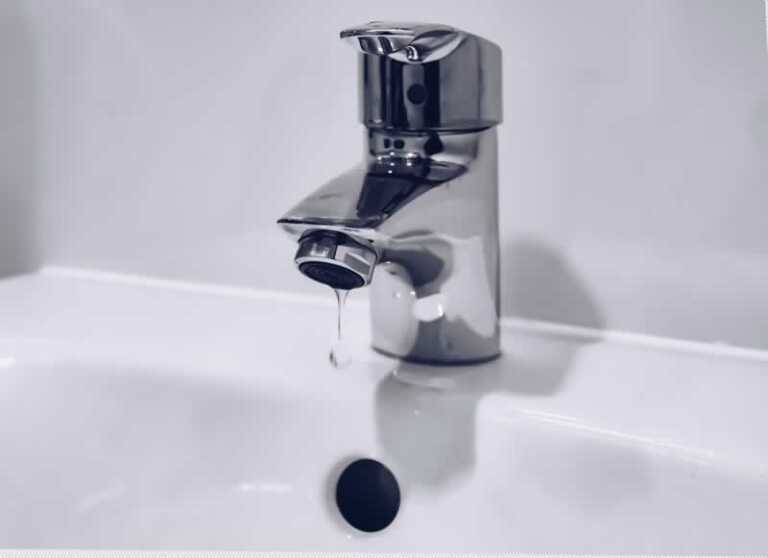
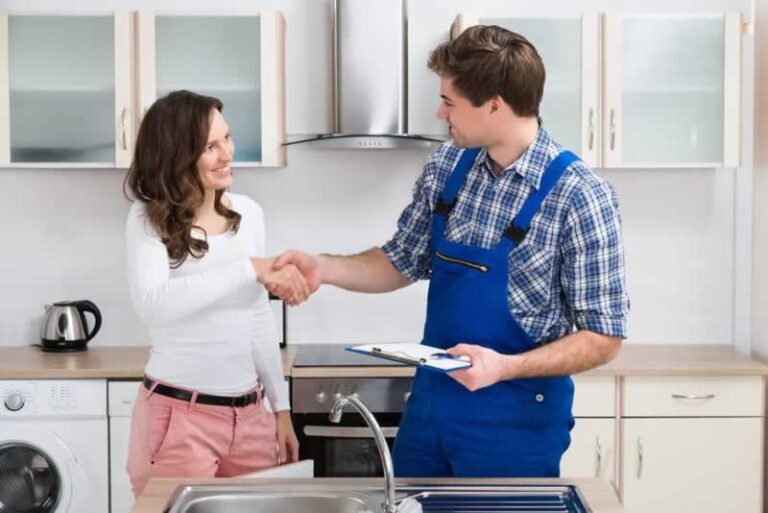
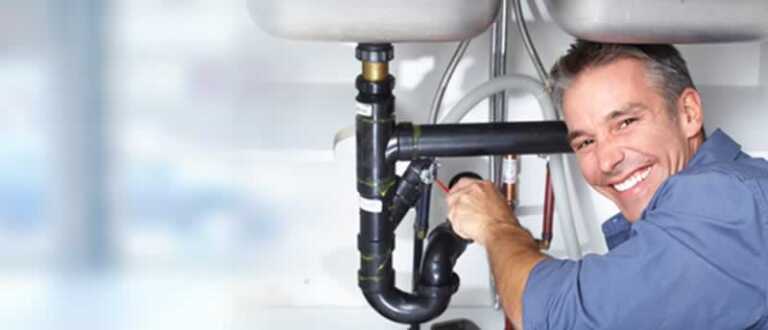
Frequent inspections are one of the simplest and most effective ways to prevent plumbing problems. Every few months, check for stains, drips, and leaks in the basement, around appliances, and under sinks. Thankfully, when you hire a plumber, you’ll address minor issues before they become major problems.
Use Water Wisely
Conserving water benefits the environment, saves money, and prevents plumbing problems. Be mindful of the things that go down the drain, avoiding items such as food, hair, and grease. Ask a plumber to install efficient appliances and fixtures that reduce the strain on the home’s plumbing system.
Practice Proper Disposal
The improper disposal of certain items leads to sewer backups and clogged drains. Don’t flush wipes, paper towels, or sanitary products, and use screens to catch debris before it goes down the drain.
Protect Plumbing From the Elements
Temperature fluctuations can damage a home’s plumbing. During the winter, wrap exposed pipes to minimize the risk of freezing. As summer rolls around, consider lowering the thermostat setting on the water heater to prevent burns. Maintaining a consistent indoor temperature may reduce stress on pipes and fixtures.
Clean the Drains Regularly
Clogged drains are a nuisance, but routine cleaning prevents blockages and water damage. While DIY mixes and commercially available drain cleaners offer a temporary fix, they can cause damage. If your drains are slow, prompt attention prevents a hassle from becoming a problem.

Maintain the Pipes
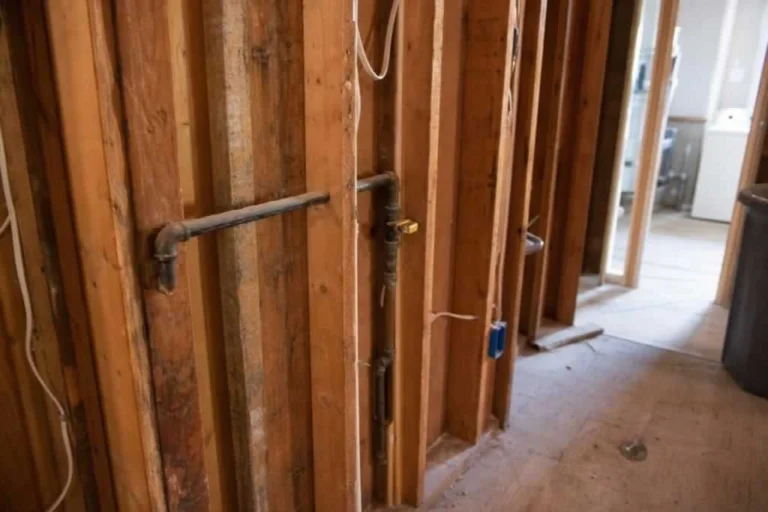
Pipes are one of the most important parts of a home’s plumbing system, and maintenance is crucial. During yearly inspections, check pipes and connections for signs of mineral buildup, rust, and corrosion. If signs of damage are found, call a plumber immediately.
Don’t Misuse the Garbage Disposal
A garbage disposal is one of a home’s most useful features, but it will cause big problems if not used correctly. Don’t dispose of fibrous or hard materials, as they can damage the disposal’s blades and create clogs. While using a garbage disposal, run cold water to flush particles through the pipes.
Check the Water Heater Often
Water heaters serve a crucial purpose, and frequent maintenance will extend their lifespan. Flush the tank twice a year to remove buildup, check connections for leaks, and keep the thermostat at the right temperature. If any issues are found, call a plumber right away.
Don’t Rely on DIY
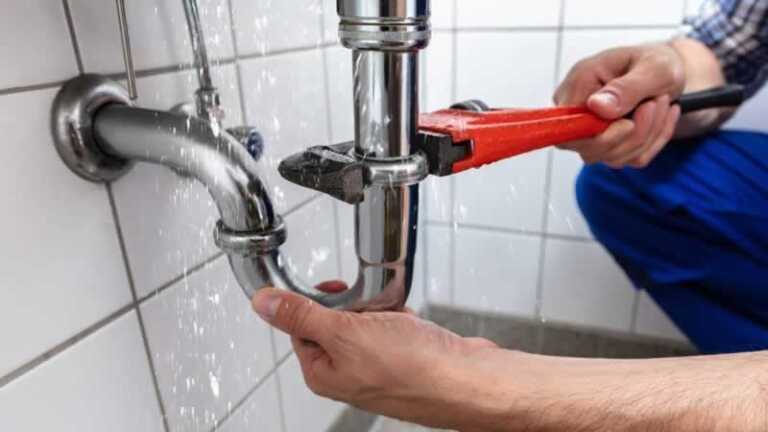
While there’s something to be said for doing the job yourself, plumbing is a field in which professional expertise prevents problems. If you’re dealing with anything other than basic repairs, leave the work to the experts.
Use These Tips to Reduce the Risk of Plumbing Problems
By following these proactive tips, local homeowners will significantly decrease the risk of plumbing malfunctions. By using water wisely, inspecting pipes and fixtures regularly, and relying on plumbers for professional maintenance and repairs, property owners can contribute to the efficiency and longevity of their plumbing systems. Take enough time to maintain your home’s fixtures and plumbing, and you’ll reap the benefits for years to come.