If you’ve been looking around for new homes to buy or moving into a rental apartment, one of the most primary check you must do is to check for signs of water damage. There are plenty of impacts of water damage: apart from the damage to your property and personal assets, there are health risks, including allergies, breeding place for pests and disease, respiratory disorders amongst others. Mold and mildew may overgrow your home walls and ceilings. Repairing and restoring Structural Damage may require you to shell out exorbitant amounts of money.

When it comes to your home, you must have a keen eye on all its aspects, including periodic maintenance and upkeep. Homeowners often do not realize that hidden and isolated spaces of your home can hold a potential risk of damage, if not checked in time. Water damage is one such damage that takes various forms: both visibly and invisibly. The impact of water damage magnifies over time, and fixing advanced levels of water-borne damage to your home can be an expensive affair.
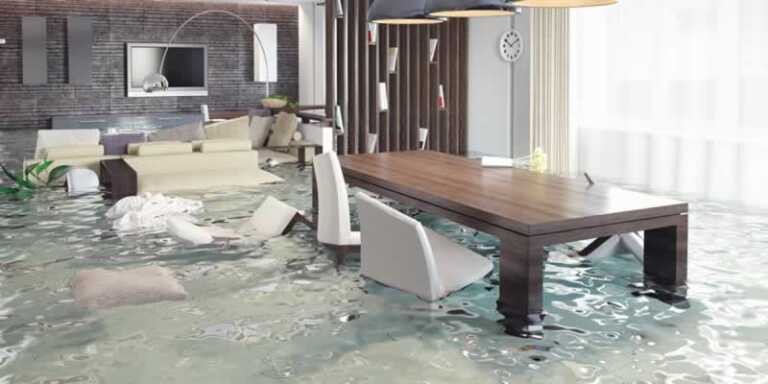
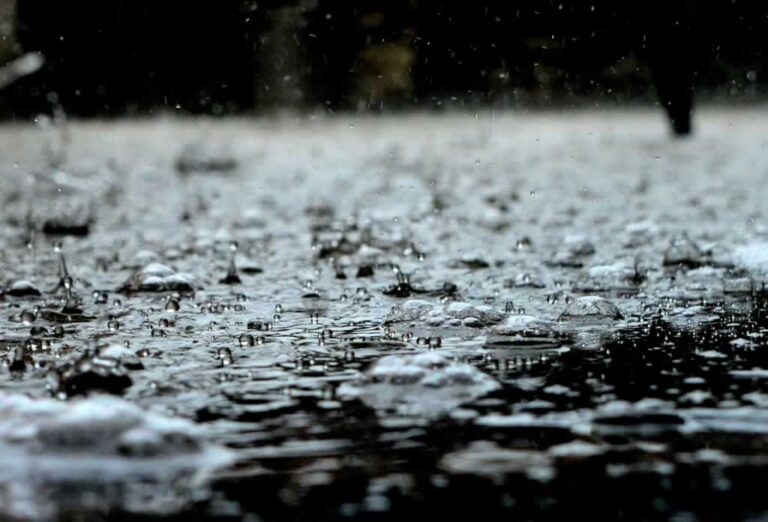
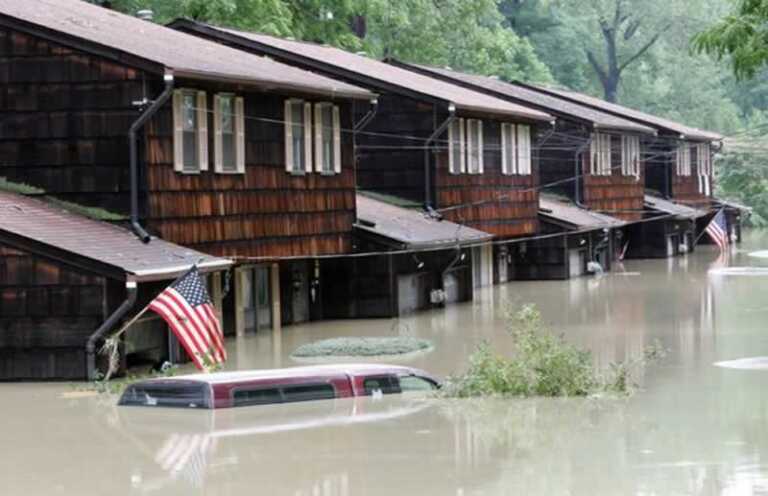
While water damage caused by natural disasters like hurricanes, snow and rainstorms, or floods have a more visible impact. But hidden symptoms of water damage are harder to detect, especially if you have not been able to pinpoint its source. Some close-up inspection will help you to spot problem areas well in time, to avoid future issues.
Water Stains
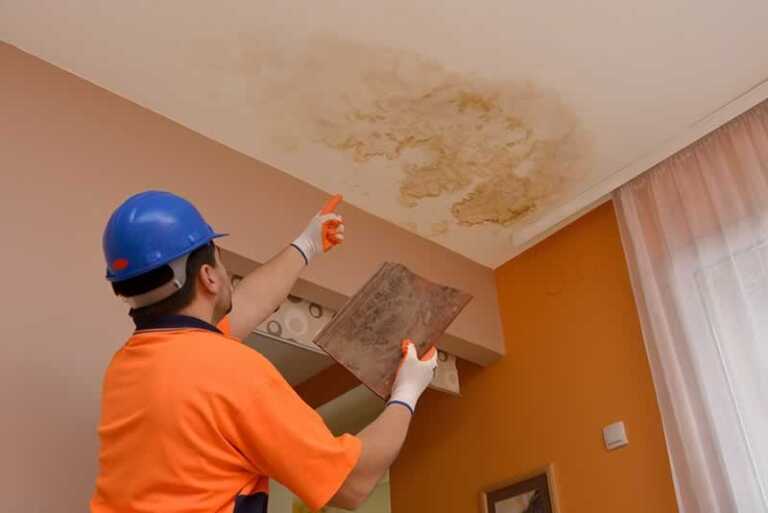
A tell-tale symptom of water damage, you should look for stains or discoloration on walls, floor or ceilings that appear without any apparent reason. These may indicate a leak or water trickling in your roof or walls. Do take a close look at the junction where walls and ceiling, floors meet each other for such water stains.
Humidity and Dampness
Do you find some spots in your home feel humid or damp without explanation? Leaks or poor ventilation that may cause condensation and moisture accumulation may be the culprit. Wet spots where water shouldn’t be collecting may develop due to leaks or improper vents for steam.
Mold and mildew
Dampness, warm temperatures and darkness are the perfect combination for mold and mildew to bloom. Finding mold in your home indicates either humidity issues or a water leak, or both. It’s important to locate the source of dampness, and getting rid of the mold-afflicted items such as furniture, fabrics, documents. Be on the lookout for black moldy patches on your woodwork, especially walls, flooring and roof superstructure.
Dripping Sound or strange noises
The sound of dripping water is an obvious indication that some pipeline or plumbing joint is broken. However, look out for strange noises when your house is at the quietest point of the day; a scratching or rushing noise may also indicate that water damage has occurred.

Chipping, bulging Paint Works and Distorted Wood
Water damage causes wooden floorboards or columns to warp, splay or get split. Moreover, dampening of bricks may cause wall plaster to swell up, and cause paint to chip. This is often a sure shot sign of water damage.
Higher Energy Bills
A home with a damp or water-damaged crawl space needs more electricity to heat up or cool down. If you’ve been seeing unnaturally higher energy bills recently, make sure to check if there are any water damaged vents or attics which might be creating such situations..
Rusting and untimely corroded metallic contacts
Wetness in the ceiling and walls cause the metallic components to catch rust very easily. Electrical contact points tend to rust more rapidly in damp, water damaged environments.
It is essential that you take a good look for all such tell-tale signs so that you can take quick action against water damage. Keep in mind that you may not be able to fix all water damage issues on your own. Consult a professional water damage company to help you repair and restore a water-damaged property at the earlies!