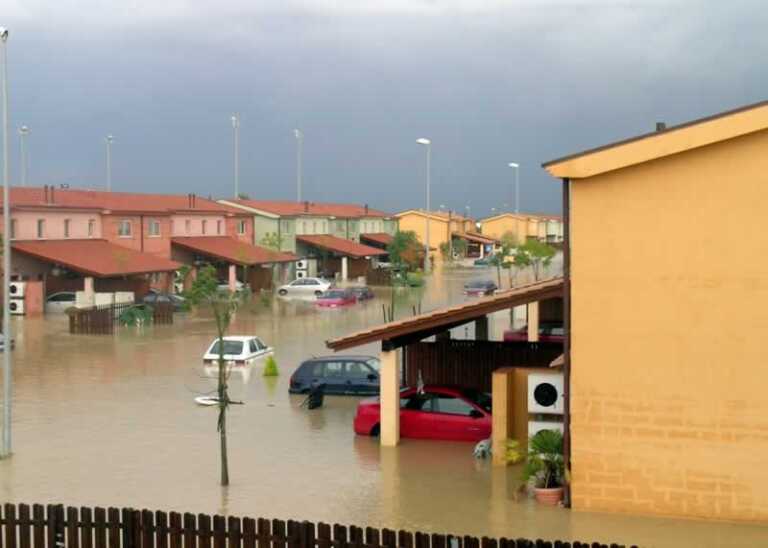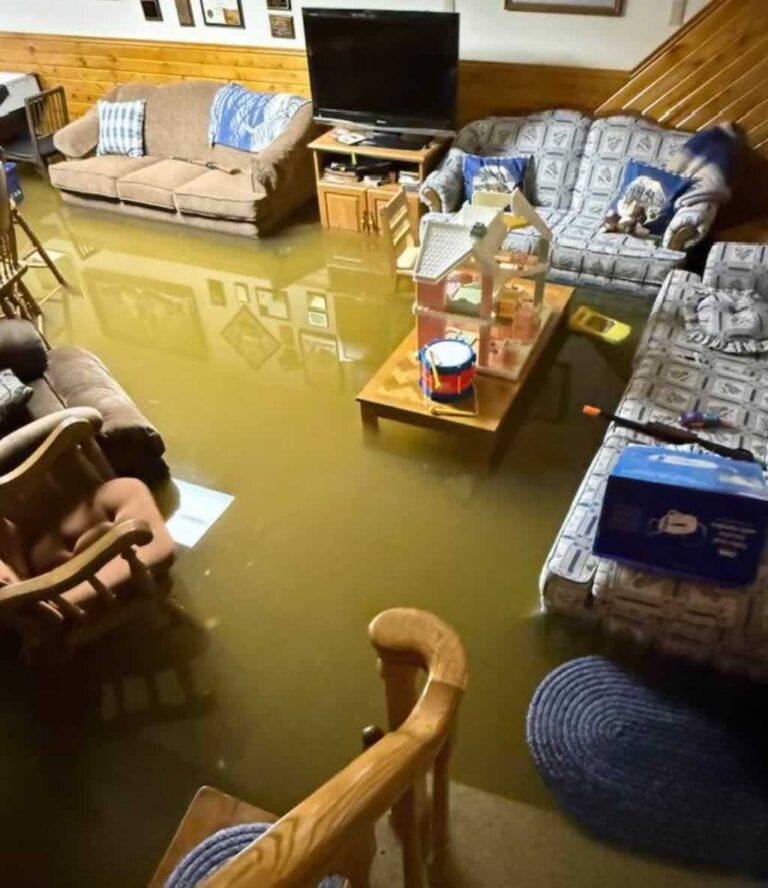

A flooded basement is a homeowner’s nightmare that you don’t want to experience. You’d hate to walk down the stairs and see your valuables soaking in a pool of filthy water.

If you want to take steps to prevent a basement flood before it even starts, read these tips:
Step One: Insulate the Pipes
In the winter, freezing pipes are the most likely explanations for basement floods — they freeze and then burst open, spraying gallons and gallons of water into the house. Insulate your exposed pipes to stop the cold temperatures from reaching them. The quick DIY task will help you avoid frozen pipes, sudden breaks and drenched floors for the whole season.
Step Two: Get a Sump Pump
One of the best ways to prevent a basement flood is to call up a plumber and ask them to install a sump pump to divert pooling water away from the area. While it won’t stop a fixture from overflowing or a pipe from bursting, it’s an excellent backup plan that will keep the water from rising. You may not use it often, but you’ll appreciate it during a plumbing emergency.
Step Three: Get a Backwater Valve
When municipal sewer systems inundate with water, the contents can go up residential main lines. During heavy storms, many homeowners are shocked to find sewage backup coming out of their basement floor drains, their toilets, their bathtubs and their sinks. A backwater valve is a clever barrier that lets your home’s waste out and prevents the city’s waste from forcing its way inside.

Step Four: Fix the Outdoor Drainage
One of the common causes of basement flooding is an ineffective drainage system that encourages rainwater or melted snow to spill into the house through the weeping tile. Downspouts are supposed to direct water at least six feet away from your house, so add extensions if they’re coming up short.
Step Five: Find a Trustworthy Plumber
Despite all the precautions, it’s important to have someone to call for emergency situations — they are the best solution to have sitting in your back pocket in case worst comes to worst. If you don’t have a regular plumber, do your research. Look up reviews online, read testimonials on websites, call for free estimates and check for flexible schedules.
You will want to call a company like Morrison Plumbing & Mechanical to come to your aid. They can handle any plumbing disaster, whether it’s a burst pipe or a backed-up floor drain. They are available twenty-four hours a day and seven days a week all year round, so you can be sure that they’ll respond to your call in a flash.
You don’t want to come home and see that your basement has flooded. The structural damage could be extensive. The harm to your valuables could be irreversible. The repairs could cost you a veritable fortune. These simple steps can limit the risk of a horrible home disaster, so you don’t have to experience the hypothetical situation as a reality.