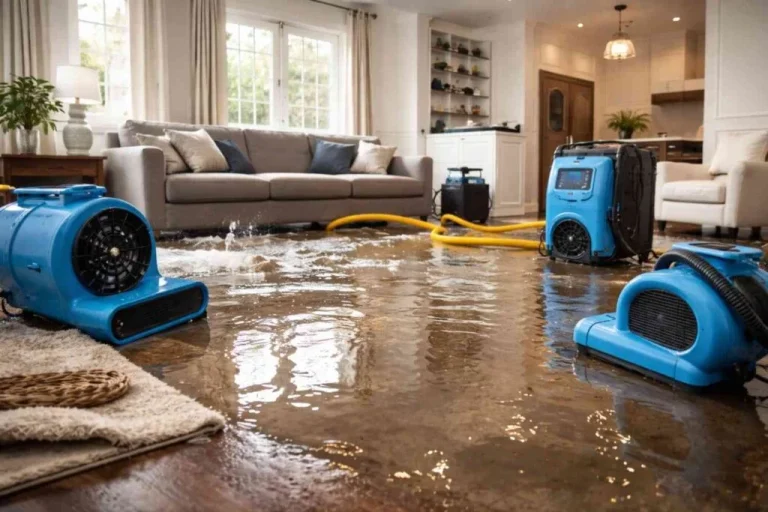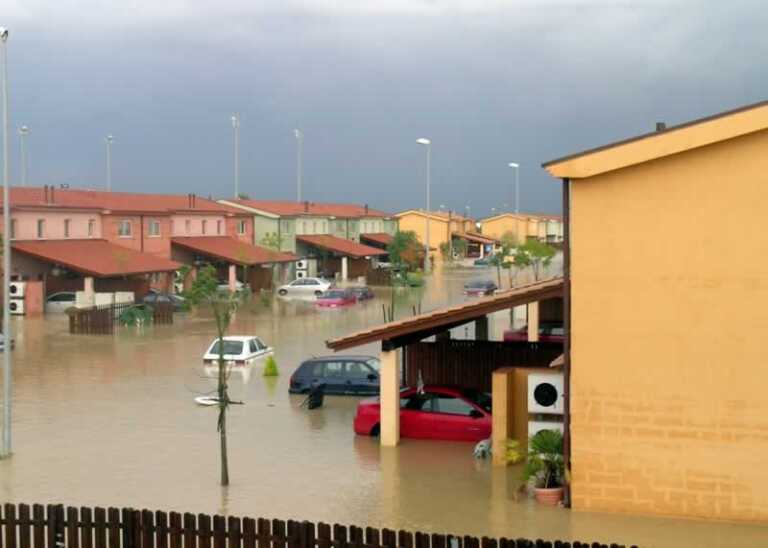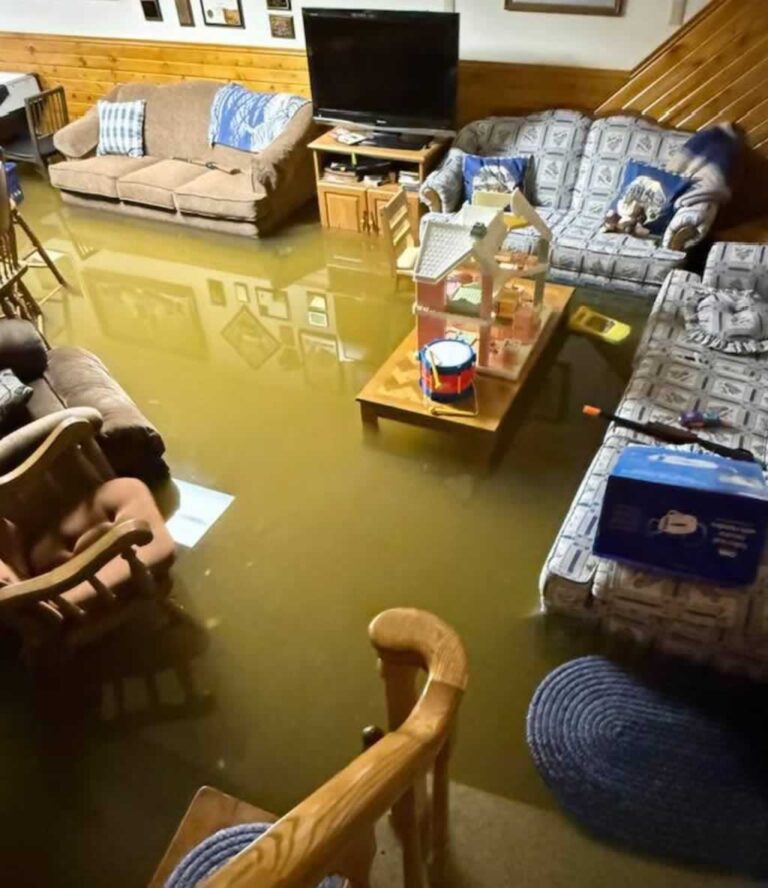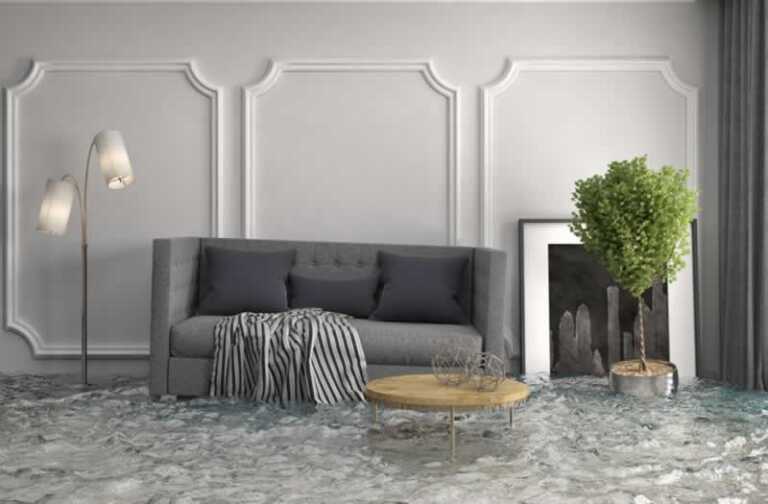
Floods are the most prevalent sort of natural catastrophe in the United States and can inflict substantial property damage. Storm surges, riverine and coastal flooding and snowmelt are common risks. Also, the hurricane season is at its peak from early June to November. Storms do not merely hit the states’ coasts; heavy rains can also damage inland settlements and result in basement floods. However, Americans face another form of emergency flooding—from within their houses. The most prevalent source of water damage is faulty plumbing systems- the materials deteriorate, resulting in pipe leaks or bursts. Even minor flooding may cause substantial and costly damage to properties, enterprises, and personal possessions. A single inch of floodwater can cause more than $25,000 in house damage, according to the National Flood Insurance Program (NFIP).

While certain precautions you can take to safeguard your house against flooding, once flooding happens, it’s critical to respond immediately for water damage restoration and avoid subsequent problems. We will discuss what to do if a flood occurs and preventive steps that may be implemented before or after the flood.
What to do when your house floods?
-
Stop the water source of Your Home
Unless a natural disaster causes the flooding, locate the water supply and shut it down or lock it up. Turning off the main water valve to the property is the most straightforward technique to cease water flow for water damage restoration. Locate the valve before it floods so you can quickly discover it in the event of a water crisis.
-
Turn of Electricity
Turn off any power equipment in your residence after the stream of the water has been turned off. However, don’t step in water to get to the fuse box. Call an electrician if you can’t reach the fuse box without walking in the water.
-
Evaluate the House premise
If a burst pipe or sewage leak causes flooding, evacuate the premises and seek a dry, safe location outside your house before water damage restoration. Check to ensure that everyone—who may have been at home—is safe and unharmed. Locate a temporary refuge in a natural catastrophe by contacting officials or listening to local news. As quickly as possible, get everyone evacuated to the shelter.

-
Call for Help
Call for assistance after your family members are on dry ground. Call 911 if someone needs medical help. Whatever is happening with the flooded house, the harm has already been done, and your only concern should be your own and your dear ones’ safety. After you’ve confirmed that everybody is safe and healthy, you may contact the appropriate parties to begin the water damage restoration process. If you are renting the house, inform your landlord of the problem. However, if it is your home, contact your insurer and tell them that water damage has occurred. Make it clear if you must wait for an adjuster to visit your property before beginning the cleaning and repair operations.
-
Document All the Damages
The first thing that springs to mind while thinking about water damage restoration if your house floods are usually cleaning it up. But first, document everything so you can prove the amount of the damages to your insurer. Record or take pictures of all components of the problem with your phone camera. The water overflowing your home could include sewage or other toxic materials, so avoid touching it at all costs. Before entering the house, put on suitable protection gear, such as waders and waterproof boots.
-
Start the cleaning process
You are cleaning up after a flood is a time-consuming and labor-intensive operation. You’ll need to evaporate water, rescue any personal belongings you can, dry off the area, and sterilize any locations or objects that were contaminated by the water. To prevent dealing with infections, you should perform these duties while wearing appropriate safety equipment, as stated in the previous step.
Conclusion
Due to higher precipitation and the subsequent overflowing of rivers, streams, and coastal areas, urban flooding affects millions of houses across America. Moreover, plumbing system failure is the most typical source of water damage. Always take preventive measures to keep yourself and your house safe during a flood and limit water damage.