
In recent years, home building has undergone a significant transformation. Traditional methods are being challenged by a wave of innovative approaches that focus on sustainability, technology, and design. As homeowners seek to create spaces that reflect their personalities and values, home builders are increasingly adopting new techniques to meet these demands. This shift not only enhances the living experience but also addresses pressing concerns such as environmental impact, energy consumption, and cost efficiency.
Sustainable Materials and Green Building Practices
One of the most significant changes in the housing business is the rising use of sustainable materials and green building techniques. Both homeowners and builders are prioritizing eco-friendly items with low environmental footprints right now. This includes the selection of locally sourced, recyclable, and non-toxic materials. For example, recycled steel, bamboo, and recovered wood are becoming increasingly popular since they are renewable, durable, and have a lower carbon footprint than traditional materials. Beyond materials, green construction strategies include energy-efficient designs such as passive solar heating, high-performance windows, and effective insulation systems.

Smart Home Technology Integration
The incorporation of smart technology into houses has transformed people’s lifestyles. From automatic lighting and security systems to voice-activated assistants, technology has made it simpler to run many facets of home life. By means of cell phones, home automation systems let homeowners remotely modify security settings, temperature, and lighting. Moreover, smart gadgets like ovens that preheat remotely or refrigerators that monitor grocery supply help to simplify daily tasks by means of efficiency. Home builders are creating more and more houses with the required infrastructure to support these technologies so that the next occupants are ready for the most recent developments.
Modular and Prefabricated Homes
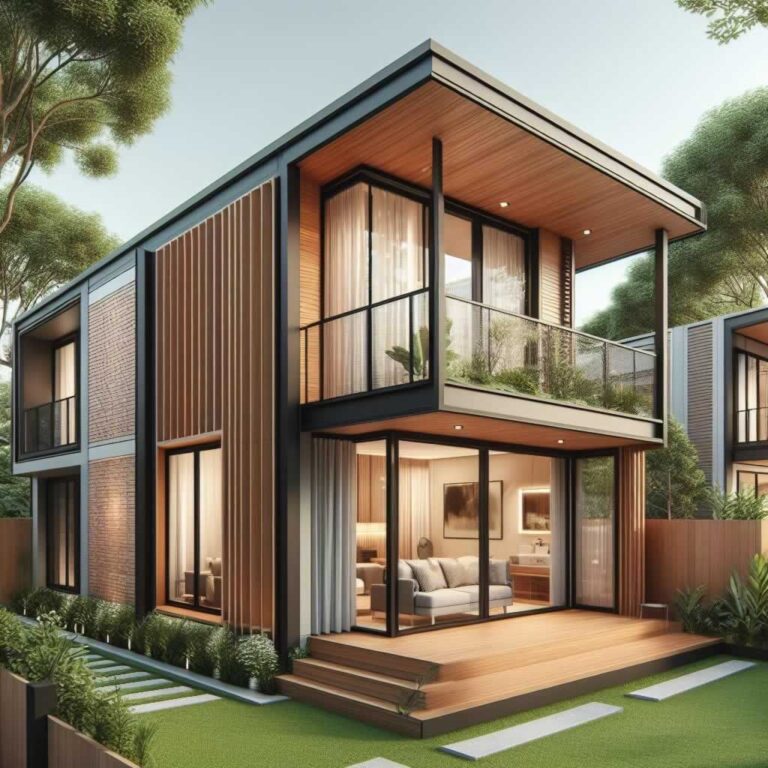
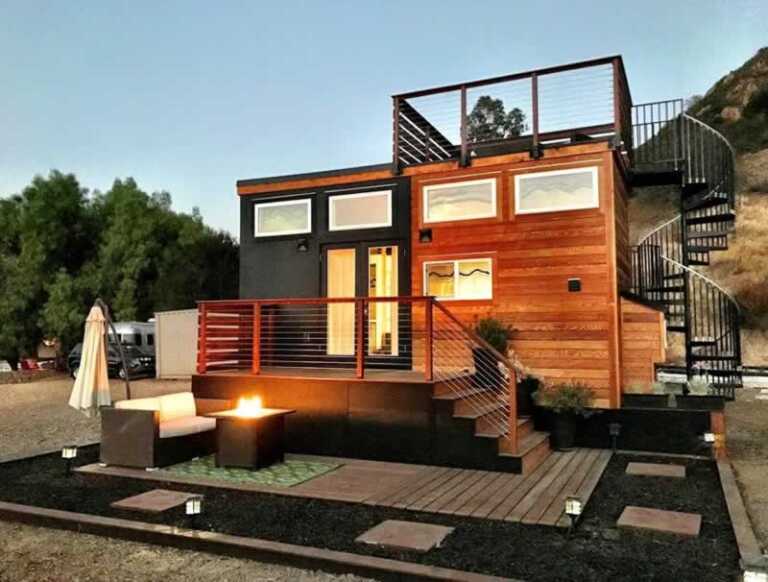
Modular and prefabricated dwellings are another emerging trend in home construction. These homes are built in parts at a factory and then assembled on-site. The primary advantage of this strategy is a large reduction in building time. Because the majority of the construction takes place in a controlled atmosphere, weather delays and site-related issues are reduced. Furthermore, prefabricated homes can be produced to a high standard while maintaining continuous quality control. These homes also provide design freedom, as the modular components can be tailored to the homeowner’s specifications. The use of modular construction exemplifies how innovation is expediting the home building process, providing a speedier, more cost-effective alternative to traditional building methods.
Energy-Efficient Home Design
Modern home construction revolves mostly around energy efficiency. Rising energy prices and growing worries about climate change have made homeowners more conscious of the need to lower their energy use. Energy-efficient home designs combine several elements that cooperate to reduce energy consumption. These houses feature cutting-edge heating and cooling systems, energy-efficient windows, and appropriate insulation, among other basic features. Including renewable energy sources such as solar panels or wind turbines can also greatly lessen the need for nonrenewable energy in a house. These architectural changes not only help the surroundings but also give house owners long-term energy bill savings.

The Role of Skilled Professionals in Innovative Home Building
Innovative home building necessitates a team of qualified specialists capable of carrying out these cutting-edge designs, in addition to the materials and technologies used. You can consult general contractors in Napa, CA or your area who can contribute significantly to the realization of innovative concepts. Experienced contractors are not only knowledgeable with classic building procedures but also have received training in cutting-edge technologies and environmentally friendly practices. Their experience guarantees that creative designs are carried out to the highest possible standard, ensuring the final product’s safety, functionality, and longevity. As home construction gets increasingly complicated, the demand for highly skilled personnel capable of managing and implementing these new ways will increase.
Conclusion
The home building industry is undergoing an exciting shift, fueled by a desire for sustainability, efficiency, and individuality. Innovations in sustainable materials, smart house technologies, and energy-efficient design help homes to be more comfortable, ecologically friendly, and customized to fit personal needs. While urban dwelling solutions address the difficulties of rising populations in crowded cities, modular and prefabricated buildings provide a speedier, less expensive substitute for conventional buildings. The opportunities for home construction will only grow as technology develops, enabling homeowners to create environments that capture their values and way of life.