
Smart homes offer convenience and automation, yet each connected device poses a potential security threat. Weak passwords, outdated software and improperly configured networks can make homes susceptible to attacks. It’s crucial to recognize these risks and take proactive measures to ensure safety. By taking the proper precautions, you can reap the benefits of a smart home while safeguarding your privacy and security.
Build a Strong, Secure IoT Network
Start by equipping all your smart devices with robust security measures. A reliable Wireless Sensor Network securely links your devices, monitors activity and alerts you to threats. Ensure your devices can recognize and prevent unauthorized or malicious devices from attempting to access the system.
Since smart devices typically have limited memory and power, opt for systems that manage data effectively without unnecessarily transmitting sensitive information to the cloud. Give priority to devices that offer encryption and secure communication and ensure their software is regularly updated to guard against known vulnerabilities.
Finally, focus on making your devices work well together. Select a smart-home system that securely integrates different brands and maintains robust security and privacy protocols for all devices.

Secure Your Router and Individual Devices
Your router serves as the entry point to your smart home network and is often the sole barrier between your private space and the outside world. Ensure it is set up correctly with robust passwords, updated firmware and encrypted connections to thwart unauthorized access.
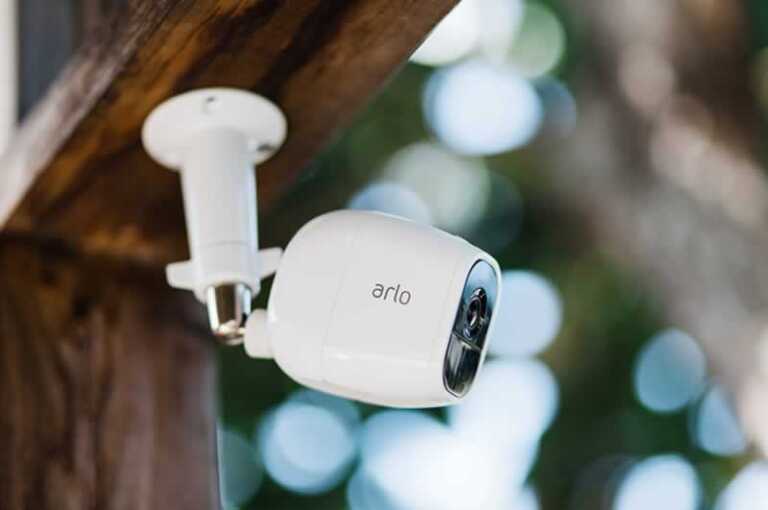
Pay close attention to essential devices such as home assistants, smart TVs, AR/VR glasses, smart locks, cameras and smart vacuums. These gadgets often store sensitive personal information and attackers may exploit weaknesses such as voice commands, default passwords or unsecured application programming interfaces. Regularly update software, turn off unused features and implement strong authentication methods whenever possible.
Keep in mind that disposing of or replacing devices can introduce security vulnerabilities. Before selling, donating or recycling smart devices, ensure that you securely erase all data and remove the device from your network. This guarantees that no personal information or access remains for potential intruders.
Protect Your Home Assistants and Infotainment Devices
Home assistants, such as Google Home, Amazon Alexa and Apple Siri, serve as handy control centers for your smart home. Still, they are constantly listening and can store sensitive personal information. To protect them, use strong, unique passwords, enable two-factor authentication and keep firmware up to date. Be cautious when granting permissions to third-party applications and turn off features you don’t use, such as voice purchasing or guest access.
Smart TVs and AR/VR devices can also present security challenges. They frequently connect to the Internet, hold personal data and operate third-party applications. Safeguard them by ensuring software is current, utilizing secure Wi-Fi connections, restricting unnecessary permissions and keeping an eye on network activity to spot any unusual behavior.
Consider these devices as extensions of your network. When possible, separate entertainment devices from sensitive ones, such as cameras, locks and access control systems, by using distinct networks or virtual local area networks. Regularly check device settings to make sure that personal information and access credentials are not vulnerable to potential threats.
Maintain and Troubleshoot Your Keyless Locks
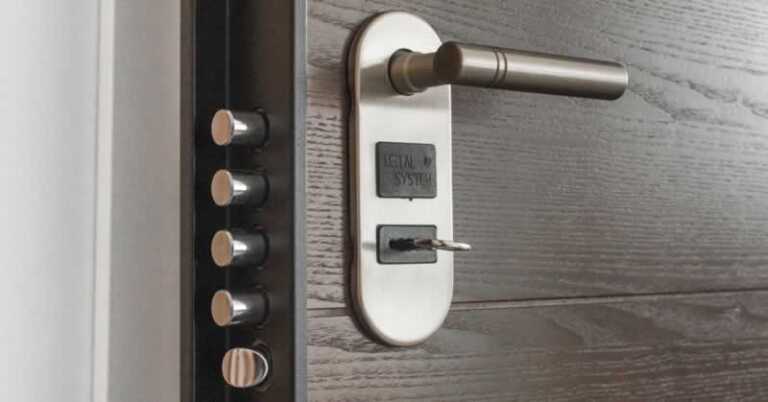
Keyless locks offer great convenience, but they depend on batteries, electronics and connectivity to work effectively. To avoid being locked out, make it a habit to check and replace batteries regularly. It’s also wise to have spare batteries available and to adhere to the manufacturer’s replacement guidelines.
Check the keypad and mechanical parts for signs of wear, dirt or debris. Gently clean the keypad, lubricate moving components and tighten all screws. If the lock isn’t responding, contact the manufacturer or a professional locksmith for expert guidance on repairs or resets to restore smooth operation.
Ensure your smart lock has a strong connection. Keep it within the range of your Wi-Fi or Bluetooth hub, reduce interference from other devices, and protect it from extreme weather conditions. Regularly test access and update the firmware to ensure both functionality and security.

Secure Your Smart Home Energy Systems
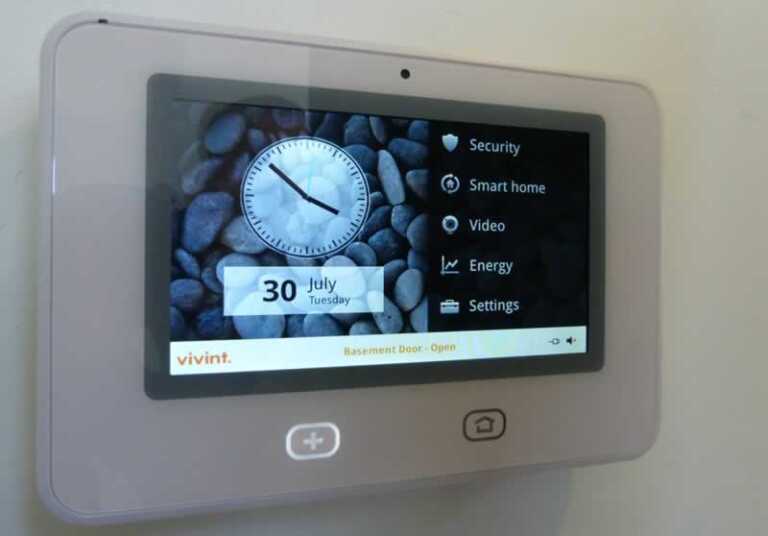
Intelligent energy management systems can help you save money and lessen your environmental footprint. However, they also face risks from cyberattacks that might disrupt power, compromise data or even lead to physical harm. Begin by making sure your energy devices and hubs are equipped with the latest firmware and security updates.
Utilize strong, unique passwords and, where possible, enable two-factor authentication for all smart energy accounts and control panels. Consider separating your energy devices from entertainment and personal devices to limit the spread of attacks.
Lastly, regularly monitor your energy system for any unusual activity or unexpected fluctuations in energy consumption. Activate alerts to catch suspicious activity and contact the manufacturer if you suspect a problem.
Staying Safe in a Smart Home
Smart homes offer both convenience and comfort, yet they come with security risks. To minimize the threat of cyberattacks, it’s essential to secure your network, keep your devices updated and regularly monitor your systems. Regular maintenance, strong passwords and consistent vigilance are essential for ensuring the safety of your smart home while reaping its benefits.