
In today’s real estate industry, architecture and lighting design are more intertwined than ever before. Developers and designers are constantly looking for ways to elevate property value, improve aesthetics, and enhance energy efficiency. One technology that has rapidly gained popularity in modern construction and interior design is flexible LED strip lighting. Behind this innovation stands a new generation of manufacturers — the flexible LED strip lights factory, quietly powering the illumination revolution in real estate.
1. Lighting as a Core Element in Real Estate Value
Lighting has evolved from a purely functional element to a defining feature of a property’s atmosphere and identity. Whether in high-end residential projects, commercial offices, or luxury hotels, lighting plays a vital role in shaping how people perceive space.
Real estate developers have realized that good lighting doesn’t just make spaces look better — it adds tangible market value. Properties with well-designed illumination systems are more attractive to buyers and tenants, as lighting enhances both the emotional and practical experience of living or working in a space.

This shift in perspective has led architects and engineers to explore innovative lighting solutions such as flexible LED strip lights, which offer limitless creative possibilities for both interior and exterior design.
2. Why Flexible LED Strip Lights Are Ideal for Real Estate Projects
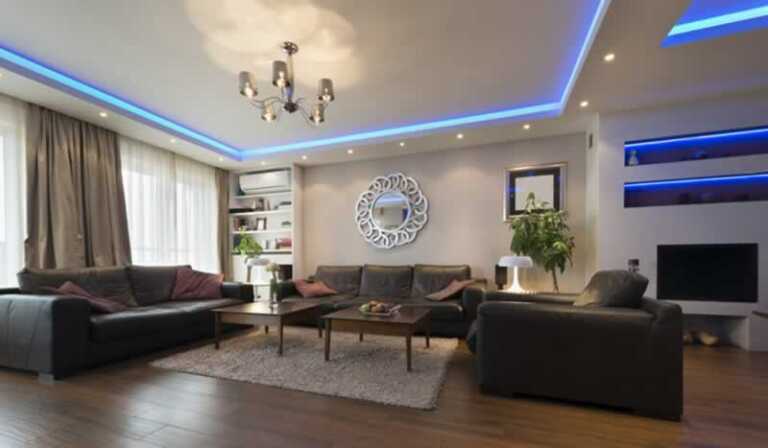
Unlike traditional lighting fixtures, flexible LED strips can be installed almost anywhere — under cabinets, along ceilings, within coves, behind mirrors, or around architectural features. Their thin and bendable design allows for seamless integration into modern construction without compromising structure or aesthetics.
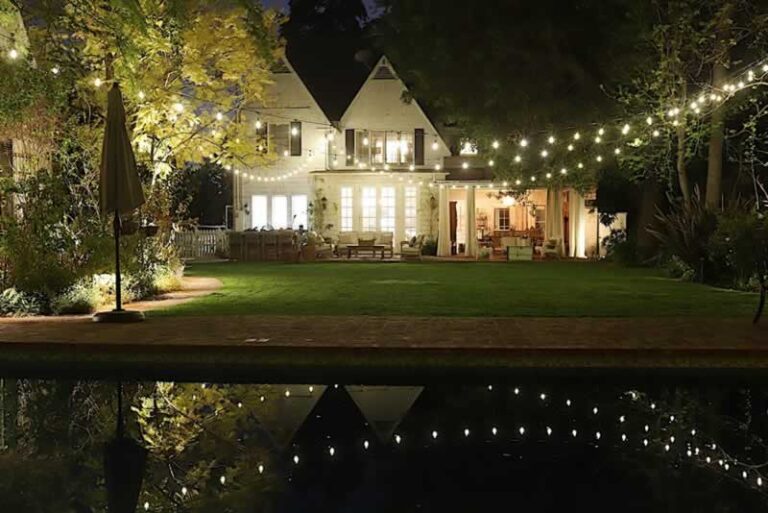
For real estate projects, this versatility is invaluable. Flexible LED strips can highlight architectural details, create ambient effects, and emphasize depth in open-plan spaces. In high-rise buildings or luxury villas, LED strip lighting is often used for accent lighting in living rooms, bedrooms, and staircases, or as outdoor pathway and landscape lighting.
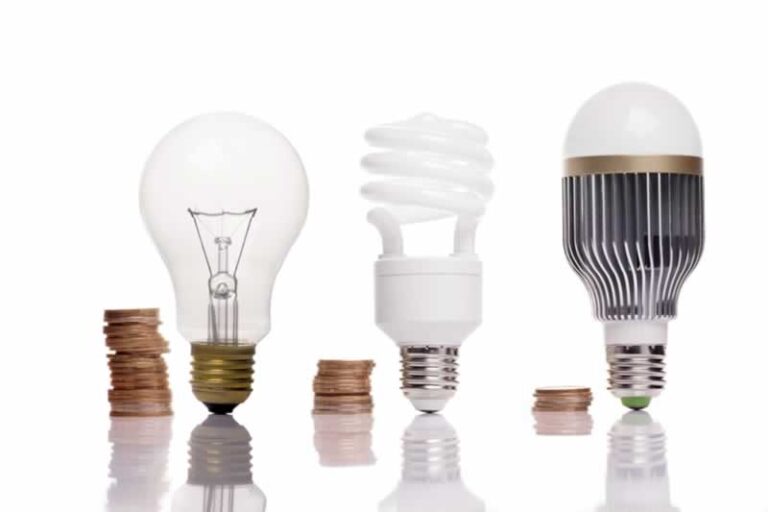
More importantly, flexible LED strip lights consume up to 80% less energy than traditional lighting, aligning perfectly with the sustainability goals of modern real estate development.
3. The Role of the Flexible LED Strip Lights Factory in Property Innovation
Behind every beautifully illuminated property stands a flexible LED strip lights factory — where cutting-edge technology and craftsmanship turn design ideas into reality. These factories are responsible for producing durable, high-efficiency LED strips that meet the demanding standards of the real estate industry.
Modern factories use automated SMT lines, precise optical testing equipment, and advanced encapsulation processes to ensure long-term reliability. Whether a developer requires IP65 waterproof lighting for outdoor applications or COB continuous light strips for luxury interiors, the factory provides tailored solutions through OEM and ODM services.
Real estate lighting suppliers often collaborate directly with these factories to customize specifications such as voltage, color temperature, brightness, and control options (e.g., dimmable or smart RGB systems). This close partnership ensures that every lighting system enhances the overall architectural concept of a project.
4. Flexible LED Strips in Commercial and Residential Real Estate
In commercial real estate — such as shopping malls, hotels, and office towers — flexible LED strip lights are used to define mood and brand identity. For example, retail environments use warm white LED strips to create inviting atmospheres, while office spaces favor cooler tones that support focus and productivity.
In luxury residential developments, LED strips are increasingly integrated into smart home systems. Homeowners can now adjust brightness and color temperature through mobile apps or voice assistants, adding a level of convenience and personalization never before possible.
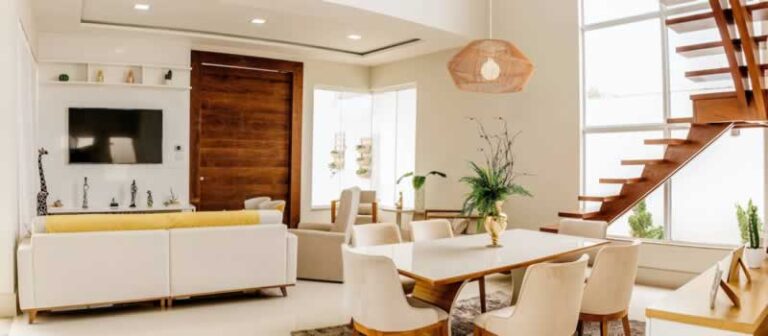
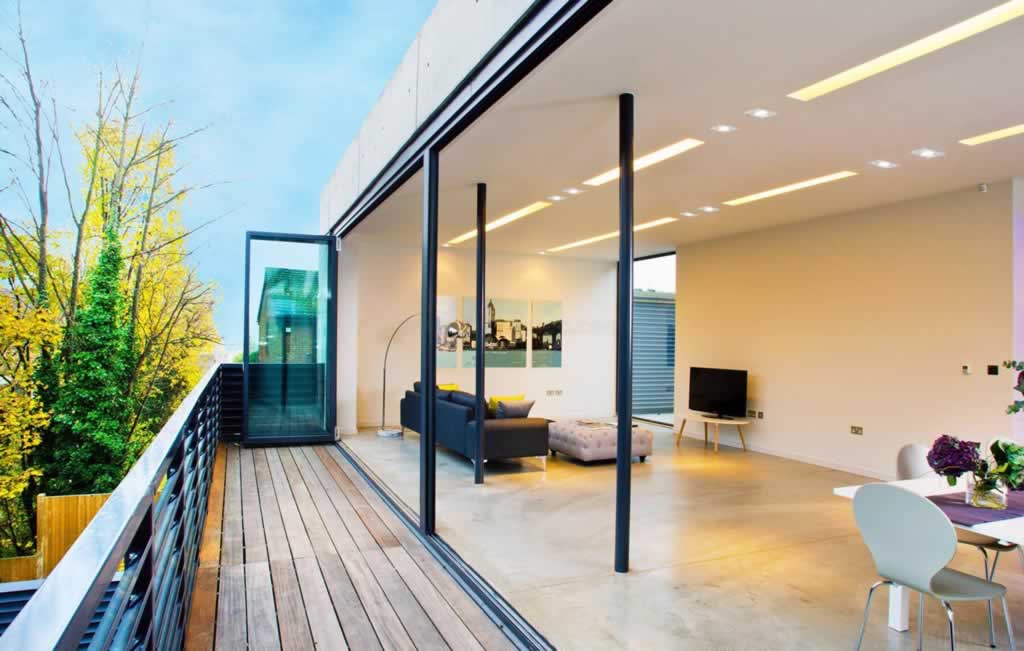
Architectural designers love using flexible LED strips in real estate staging as well — subtle underlighting can make rooms appear larger, ceilings higher, and surfaces more refined, making properties more appealing during sales presentations.
5. Energy Efficiency and Sustainability in Real Estate Lighting
Sustainability has become a defining trend in real estate. Green buildings that minimize environmental impact are now in high demand, especially in urban developments. Flexible LED strip lights align perfectly with this trend.
Manufactured by eco-conscious factories, these LED strips are designed to maximize light output while minimizing energy waste. A modern flexible LED strip lights factory often employs recyclable materials and lead-free soldering processes, ensuring both product longevity and environmental responsibility.
Developers who integrate LED strip systems into their buildings not only lower electricity costs but also earn valuable green certifications, which further enhance a property’s market reputation.
6. Smart Lighting and the Future of Real Estate Design
The future of real estate lighting lies in smart, connected systems — and flexible LED strips are at the center of this evolution. Leading factories are integrating technologies like WiFi, Bluetooth, and Zigbee into their products, allowing for seamless control across multiple zones in a building.
Imagine walking into a luxury apartment where motion sensors automatically illuminate pathways with soft, energy-efficient LED strips. Or an office tower that adjusts lighting intensity based on daylight levels to reduce power consumption. These innovations are no longer futuristic — they are being implemented in modern real estate projects worldwide, thanks to advancements made in LED strip manufacturing.
7. Choosing the Right Factory Partner
For real estate developers, choosing a reliable flexible LED strip lights factory is critical. The ideal manufacturing partner should provide:
- Consistent quality control with certifications such as ISO9001, CE, RoHS, and UL.
- Customizable product lines for diverse architectural applications.
- Strong R&D capability to keep up with emerging smart lighting trends.
- Efficient logistics and after-sales support for global projects.
A strong partnership ensures that the lighting not only meets design expectations but also performs reliably over time, protecting the investment and reputation of developers and designers alike.
Conclusion
The intersection of lighting technology and real estate development marks a new era of architectural design. From luxurious residential interiors to sustainable commercial buildings, flexible LED strip lights have become a defining feature of modern property design.
At the heart of this transformation is the flexible LED strip lights factory, driving innovation through precision engineering, customization, and sustainability. As the global real estate market continues to evolve, one thing is clear — the future of property illumination will be flexible, efficient, and beautifully lit.