A solar farm sounds like a big, ambitious step, and in many ways, it is. Unlike rooftop solar, a personal solar farm takes up land, requires planning and asks you to think long term. Still, for homeowners with space and patience, it can offer energy independence and a new way to use property that might otherwise sit idle.
Learn what a private solar farm is, how it differs from community options, the benefits and risks to weigh, and the practical requirements that matter most. This breakdown keeps things simple and realistic for homeowners and DIYers who are curious about whether making this move is sensible for their property and lifestyle.
What Is a Personal Solar Farm?
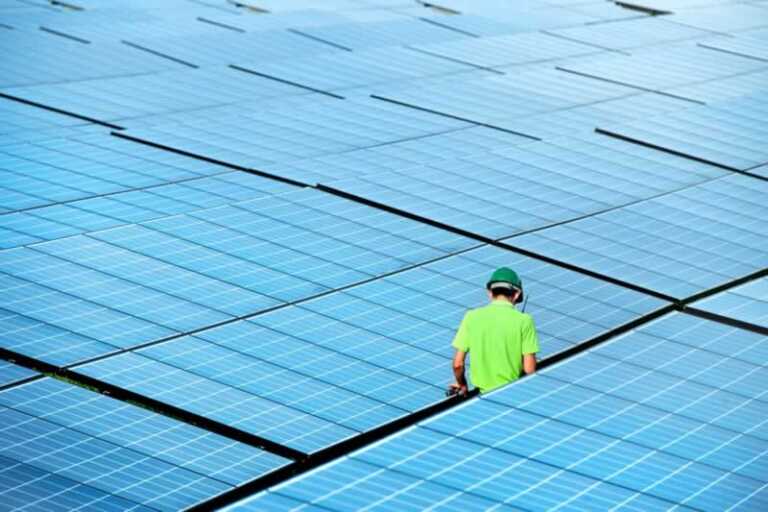
A personal solar farm is a system of ground-mounted photovoltaic panels installed on your property to generate electricity for your household. It can repay your investment when it produces excess units that utility companies may buy from you. With a private solar farm, you own the system, manage the space and take responsibility for its upkeep.
The biggest distinction comes down to control. You decide how large the system is, where it sits and how it connects to your home’s electrical setup. That flexibility appeals to homeowners with acreage or unused land.
Personal vs. Community Solar Farms
Community solar farms allow you to buy or lease a portion of a larger sun-powered array without installing anything on your property. These are often attractive if you rent, lack space or prefer a hands-off option.
A personal solar farm requires more involvement but offers direct ownership. You’re not sharing production, rules or timelines with anyone else. For DIY-minded owners, that independence often outweighs the added responsibility. If you enjoy projects that improve long-term property value and don’t mind learning new systems, a private setup may feel more rewarding.

Key Benefits of a Mini Solar Farm
The benefits extend beyond lower utility bills. For homeowners thinking long term, these benefits often feel more tangible than short-term returns.
- Energy independence: Generating your own power reduces your reliance on the grid.
- Long-term savings: While up front costs are high, your electricity expenses may drop significantly over time. Incentives and net metering programs can improve the math.
- Flexible placement: Ground-mounted panels can be positioned for optimal sun exposure rather than being limited by roof shape or condition.
- Land use efficiency: Open or unused acreage gains a clear purpose without permanent development.
Downsides and Threats to Consider
A solar farm is not a passive investment. While threats don’t cancel out the benefits, they shape whether the project fits your expectations. Several challenges deserve careful reflection, such as:
- High up front investment: Equipment, installation and site preparation add up quickly.
- Land commitment: Panels occupy space that can’t easily be repurposed without removal.
- Weather exposure: Wind, hail and heavy snow can damage panels or mounting systems.
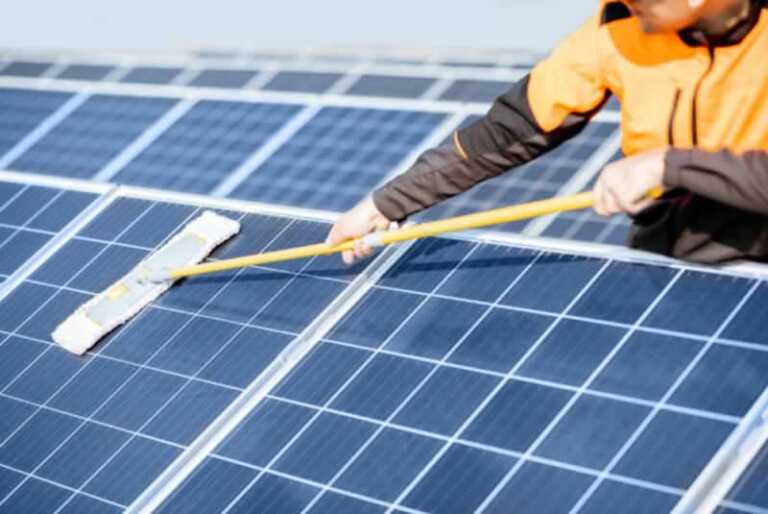
- Maintenance needs: While minimal, tasks like vegetation control, cleaning and inspections still matter.
How Much Does a Personal Solar Farm Cost?
Costs vary based on the system size, terrain conditions and local regulations. A small setup may set cost a modest $300,000, while a much larger setup could average from $950,000 to $1.3 million, with installation costs of $50 to $150 per hour. Instead of focusing on exact numbers, it helps to understand what drives expenses.
Major cost factors include PV panels, inverters, electrical connections and labor. Site prep may involve grading, trenching and fencing. Land costs are another significant investment, and while there’s benefit to a private solar farm, consider that the value of cropland has risen 14.3% since 2021, meaning you’ll likely pay more property tax on any property you purchase. Construction material prices are volatile, with double-digit increases on cement and gypsum, pushing record highs that may challenge your budget.
Additionally, you’ll have to negotiate permits and meet building standards, with utility connections factoring into the initial cost. It may be some time before you see returns on your investment beyond “free” electricity.

What Are the Requirements for a Personal Solar Farm?
Before pricing anything out, it’s smart to check whether your property meets the basic requirements for a solar installation.
| Requirement | Why It Matters |
| Space | You’ll need a sizable, open area with minimal shading from trees or buildings. |
| Sun exposure | South-facing terrain with an azimuth of 180 degrees works best in the Northern Hemisphere, though system design can compensate for slight variations. |
| Zoning and permits | Local zoning laws may limit ground-mounted systems or require special approval. |
| Grid access | Connecting to the local utility grid may involve technical reviews and agreements. |
| Soil and drainage | Stable ground supports mounting systems and prevents shifting over time. |
Day-to-Day Operation and Maintenance
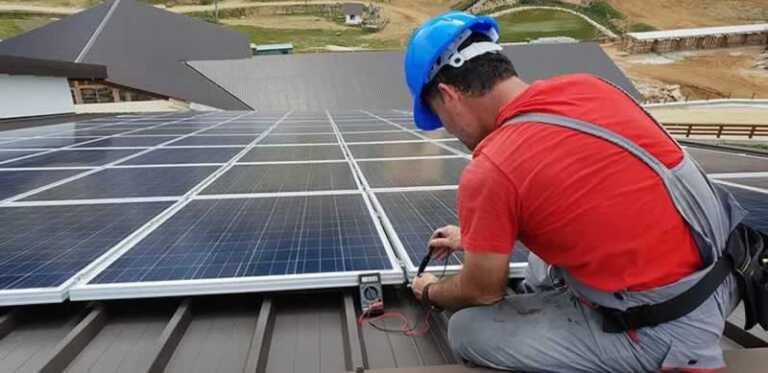
Once installed, a mini solar farm doesn’t demand constant attention, but it isn’t set-and-forget either. You’ll need to keep panels clear of debris, monitor output through an app or meter and manage plant growth around the system. Occasional inspections help catch wiring issues or loose mounts early.
Innovative approaches, such as using grazing sheep to clean under the panels, provide a mutually beneficial arrangement between cleaning the mounting setup and the sheep grazing because the panels protect them from the elements.
Environmental Impact and Practical Trade-offs
PV-generated energy reduces reliance on fossil fuels, but large ground-mounted systems still alter land use. Clearing vegetation or fencing off areas can affect local ecosystems.
Choose low-profile mounts, maintain native ground cover and place panels on previously disturbed plots, instead of grading natural landscapes. Thoughtful placement balances clean energy goals with environmental responsibility.
Should You Invest in a Personal Solar Farm?
A personal solar farm works best if you have available space, long-term plans for the property and patience for a complex setup. It suits homeowners who value independence, enjoy hands-on projects and think in decades rather than quick wins.
If acreage is limited, budgets are tight or you prefer minimal involvement, rooftop or community setups may be a better fit.