
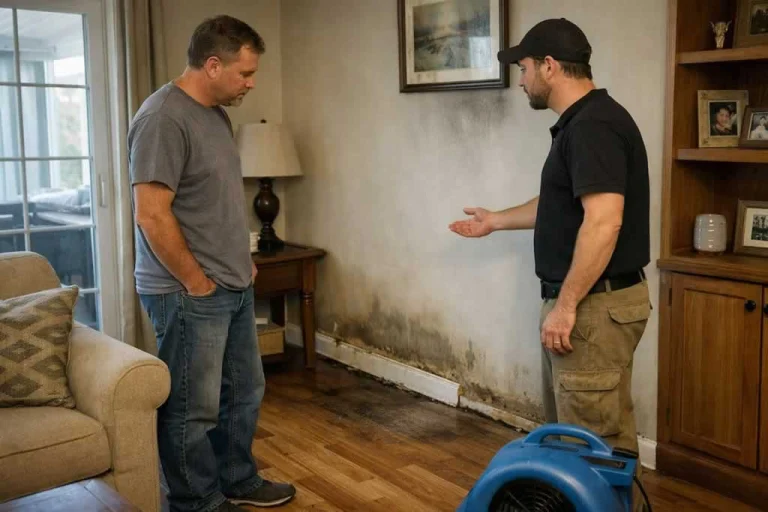
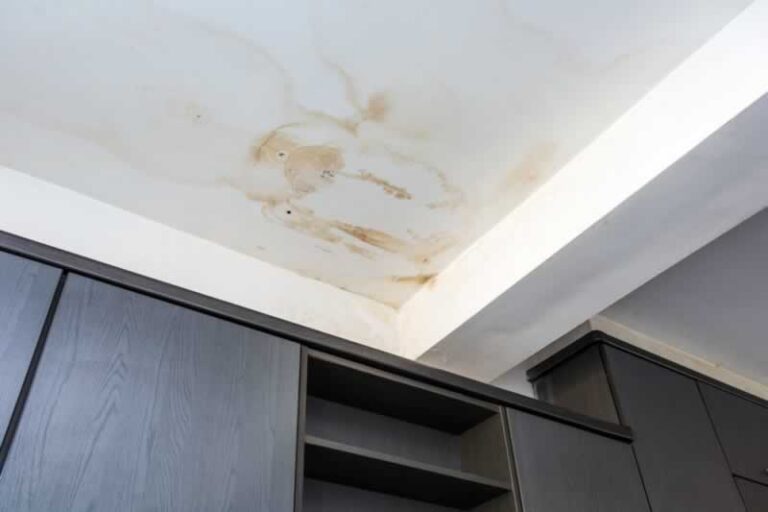
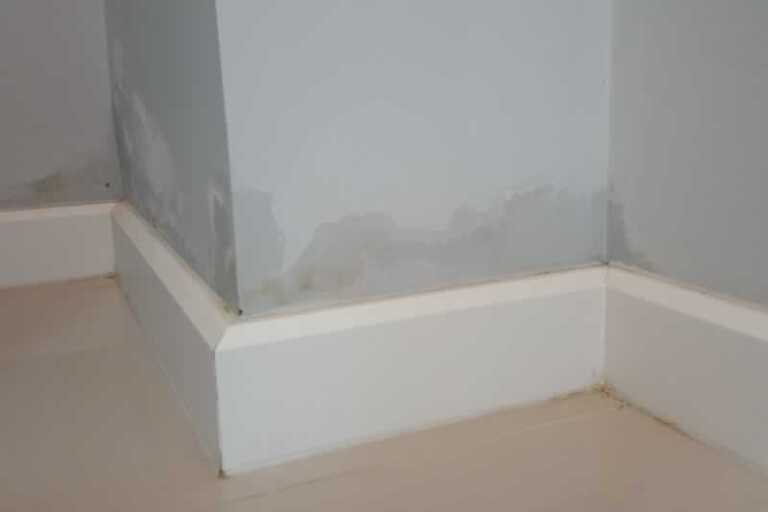
Water damage is a common problem homeowners face. It can be caused by a leak, a burst pipe, or a flood. If it happens to you, you need to act quickly to ensure the safety of your home and family. You may have water damage on the ceilings and floors, or you may have water damage within your walls, ceiling, and flooring.

Regardless of the cause, water damage is a serious problem that requires immediate attention.
The Basics of Water Damage
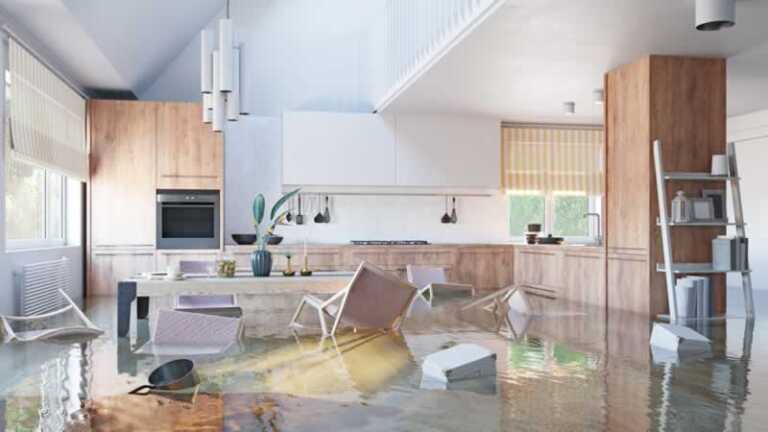
Water damage can happen in several ways. It can be caused by a leak, flood, or burst pipe. It can also be caused by an ice dam or frozen pipe. A burst pipe can cause flooding, while a flood can cause water damage to your walls, ceilings, and floors. The most common type of water damage is flooding. This happens when the water level rises rapidly, often due to a burst pipe or a leak. The water level rises so quickly that it is able to flood the entire house. Flooding is one of the more serious types of water damage. If it happens, it can be very costly to fix.
What To Do When You Have Water Damage
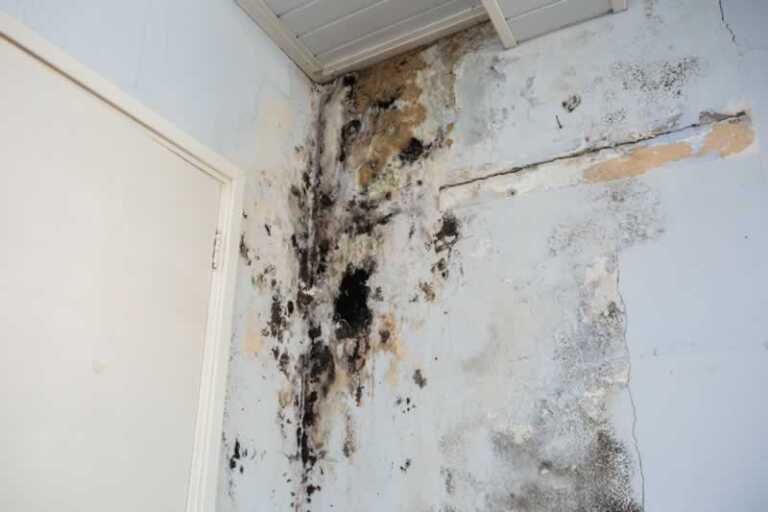
If you discover that you have water damage, you need to act quickly to prevent further damage to your home. The first thing to do is to remove any wet items from the affected area. If you have any furniture or carpets that are wet, remove them immediately so they do not become damaged. Make sure you remove any items that are moldy or have mold spores on them. Mold can cause health issues and respiratory problems if it is inhaled.
Once you have removed the wet items, cover the area with plastic sheeting or a drop cloth. This will prevent further damage to the carpet or floor and will help prevent mold growth. If you have carpeting in your home, lift it up and vacuum it to remove any mold and mildew spores. Then, use a dehumidifier to dry the carpeting. If you have wood floors, use a wet/dry vacuum to remove any water from them. Then, use a dehumidifier to help dry them out as well. Be sure to check the dehumidifier for proper operation; if it does not work properly, replace it immediately.
The 3 Stages Of Water Damage Restoration
If you have water damage, there are three stages of restoration that need to be conducted. First, you need to remove all of the moisture from the affected area. Second, you need to remove any mold and mildew that may have grown on the affected area. Third, you should dry out the affected area using fans and dehumidifiers.

Water Removal
The first step in water removal is removing the excess moisture from an affected area. This is accomplished using fans and dehumidifiers. You need to make sure that all of the moisture has been removed from the affected area before you begin drying it out. If there is mold or mildew on an affected area, be sure to use a mold-removing agent to remove it as well. This will prevent mold growth in the future.
Water Extraction and Dehumidification
Once you have removed all of the moisture from an affected area, you can begin drying it out using fans and dehumidifiers. If there was mold on the affected area, make sure that you use a mold-removing agent to remove it as well. You may need to use several types of fans depending on how much moisture has been removed from the affected area. You can also use dehumidifiers on a continuous basis to help dry out the affected area as well. Be sure that you keep the affected area at a temperature of at least 50 degrees Fahrenheit to prevent condensation from forming on the affected area again.
Removing Mold and Mildew
Once you have dried out all of the moisture from an affected area, you need to remove any mold and mildew that may have grown on the affected area. Mold growth can cause health issues and respiratory problems if it is inhaled in large quantities over time. Therefore, make sure that you use mold-removing agents to remove any mold growth from an affected area as well as mildew spores on carpets or other areas where it may have grown on them. Again, this will prevent mold growth in the future as well as help prevent future mold and mildew growth on other areas of your home as well.
Water damage is a serious problem that needs immediate attention if it occurs in your home. If you discover that you have water damage, act quickly to stop further damage from occurring to your home and family members if possible. Be sure that you are aware of what actions should be taken during each stage of water damage restoration so that you can prevent further damage from occurring in your home and family members if possible.
I appreciate you bringing up the fact that you should move fast to stop additional damage to your house if you find that you have water damage. It is best to engage a professional to handle this so that it is handled properly, as ignoring it could lead to serious problems. I will absolutely remember this and forward it to my friends and family so they may employ a professional to handle water damage rather than trying to handle it themselves.