
When was the last time you walked through your home and thought about whether every corner supports your safety and independence? For aging adults, a safe living environment goes far beyond simple comfort. It shapes whether someone can continue doing the things they love, maintain their dignity, and enjoy peace of mind. Creating a space that prevents accidents, reduces stress, and supports daily life is one of the most meaningful investments an aging adult or their family can make.
Preventing Falls and Injuries
Falls represent one of the leading causes of injury among aging adults, and many of these accidents happen right at home. Loose rugs, poor lighting, cluttered pathways, and slippery bathroom floors create real hazards that can result in serious injury. A safe living environment addresses these risks through thoughtful design and maintenance. Installing grab bars in bathrooms, ensuring adequate lighting throughout the home, and removing tripping hazards can make an enormous difference. When aging adults feel secure in their surroundings, they move with more confidence and are less likely to experience the fear that often accompanies living in an unsafe space. This sense of security directly affects quality of life and overall wellbeing.
Supporting Independence and Autonomy
A safe living environment empowers aging adults to maintain independence longer. When spaces are designed with safety in mind, older adults can complete daily tasks like bathing, cooking, and moving between rooms without unnecessary worry or risk. This autonomy matters deeply to most people, as it connects directly to self-esteem and personal identity. Features like accessible doorways, easy-to-reach storage, and non-slip flooring allow residents to move through their space without constant assistance. The ability to manage one’s own day without depending on others for basic tasks strengthens mental health and provides a genuine sense of control. For aging adults and families exploring senior living options in Iowa, Addington Place of Muscatine offers an assisted living community where residents receive personalized support while preserving their freedom and dignity in everyday life.
Reducing Health Complications
A safe living environment prevents injuries that can trigger serious health problems in aging adults. Fractures from falls often lead to immobility, infection, and a decline in overall health that can be difficult to reverse. Beyond physical injuries, an unsafe environment creates ongoing stress and anxiety. Chronic stress affects sleep quality, immune function, and mental wellbeing, which can compound existing health conditions. When aging adults live in spaces designed for their safety, they experience lower stress levels and better health outcomes. They sleep better, move more freely, and are less likely to experience the complications that follow accidents.
Creating an Environment That Supports Changing Needs
Aging brings changes that require different environmental supports, and what worked five years ago may not work today. Wider hallways accommodate mobility aids like walkers and wheelchairs, while bathrooms with accessible showers and proper ventilation prevent slips and reduce moisture-related problems. Bedrooms on the main floor eliminate the need to manage stairs when mobility becomes more challenging. Storage areas that are easy to reach prevent falls from climbing or stretching awkwardly. A truly safe environment anticipates these changes and builds flexibility into the design, which means aging adults can remain in their space comfortably rather than facing sudden, stressful moves due to safety concerns.

The Emotional and Psychological Benefits
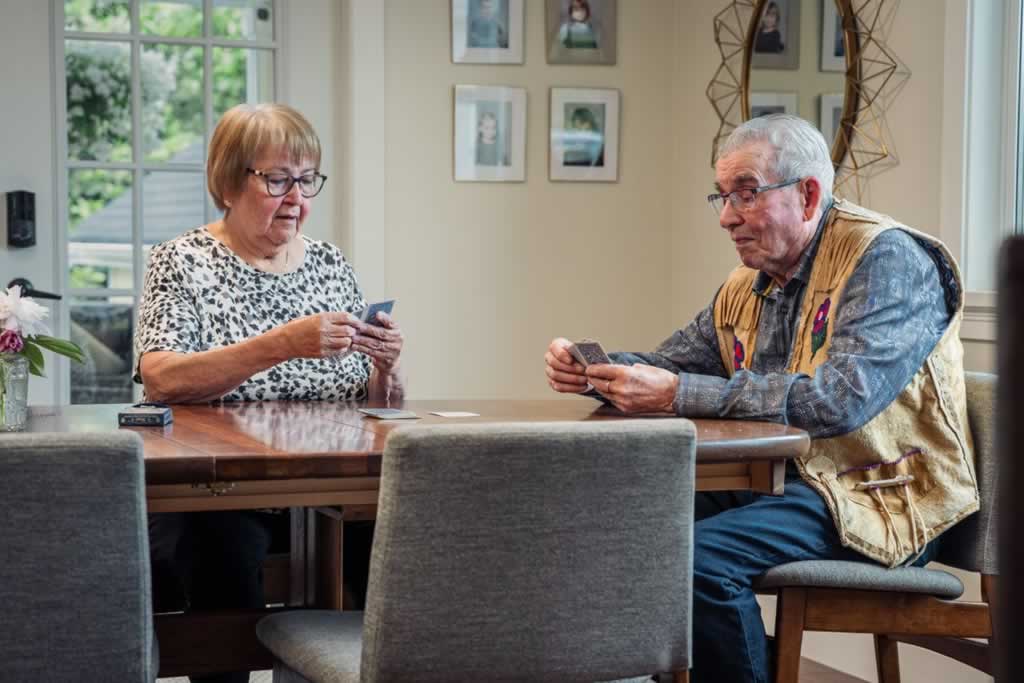
Beyond the practical aspects of physical safety, a secure living environment provides meaningful emotional benefits. Knowing that the space supports their wellbeing allows aging adults to relax and focus on life enrichment programs and relationships that bring joy. Family members also experience peace of mind, knowing their loved one is protected from common hazards. This emotional security reduces anxiety for everyone involved and strengthens family relationships. When aging adults feel safe and supported in their surroundings, they are more likely to invite friends over, participate in social events, and engage with their community. The psychological comfort of living in a safe space translates into better mental health, higher life satisfaction, and a more positive outlook on daily life.
Planning for Long-Term Safety and Support
Creating a safe living environment is not a one-time project but an ongoing commitment to adapt and improve. Regular maintenance prevents hazards from developing, and periodic assessments help identify new safety concerns before they become problems. Some aging adults benefit from professional evaluations that examine their specific home and make recommendations suited to their situation. Others find that community living options provide built-in safety features and ongoing support. Whatever approach fits best for an individual, the key is recognizing that safety needs deserve serious attention and planning. Starting these conversations and changes early, before a crisis forces quick decisions, allows aging adults to make choices that truly reflect their values and preferences.
Conclusion
A safe living environment is fundamental to the wellbeing of aging adults. It prevents injuries, supports independence, reduces stress, and allows older adults to maintain dignity and control over their lives. Whether through home modifications, regular maintenance, or a move to a community designed for safety and support, prioritizing environmental safety is one of the most important decisions an aging adult or their family can make. The investment pays dividends in quality of life, peace of mind, and the ability to continue enjoying life enrichment and relationships that matter most. When safety is addressed thoughtfully, aging adults can focus on living fully rather than worrying about their surroundings.