HVAC systems, which stand for Heating, Ventilation, and Air Conditioning, are essential components in most modern homes. They are designed to regulate the temperature, humidity, and overall air quality inside a building, ensuring a comfortable and healthy living environment. HVAC systems consist of various parts, including furnaces, air conditioners, heat pumps, ductwork, and thermostats, each playing a critical role in maintaining indoor climate control.
The primary function of an HVAC system is to move air between the indoor and outdoor areas, as well as to heat or cool the air according to the needs of the environment. In the winter, the system’s heating component raises the temperature to create a warm and cozy atmosphere. Conversely, during the summer, the air conditioning component lowers the temperature, making the indoor space comfortably cool. Ventilation plays a role throughout the year, ensuring that fresh air is circulated and stale air is expelled.
Reputable HVAC companies, like Pure Air Experts, provide air purification services on your air conditioning, heating and ventilation to ensure that you have highest possible indoor air quality.
Additionally, HVAC systems help to filter and clean indoor air. This is particularly important in homes where air quality can be compromised by pollutants such as dust, pollen, pet dander, and mold. By maintaining a proper balance of heating, cooling, and ventilation, HVAC systems contribute significantly to the overall health and comfort of the household.
The Importance of Indoor Air Quality
Indoor air quality (IAQ) is a critical factor in determining the health and well-being of occupants in a home. Poor indoor air quality can lead to a range of health issues, from minor irritations like headaches and fatigue to more serious conditions such as respiratory diseases and heart problems. Given that people spend a significant amount of time indoors, especially in their homes, maintaining good IAQ is of utmost importance.
Airborne pollutants inside a home can originate from various sources, including building materials, household cleaning products, tobacco smoke, and even outdoor air that enters the home. These pollutants can accumulate and become concentrated in indoor spaces, especially in homes that are well-sealed for energy efficiency. This makes the role of HVAC systems in managing IAQ even more crucial.
Good indoor air quality is not just about the absence of pollutants. It also involves maintaining the right levels of humidity and ensuring proper ventilation. Excessive humidity can promote the growth of mold and mildew, while insufficient ventilation can lead to a buildup of carbon dioxide and other harmful gases. An effective HVAC system addresses these issues, creating a healthier and more comfortable living environment.

How HVAC Systems Influence Air Quality
HVAC systems have a profound impact on indoor air quality by controlling temperature, humidity, and ventilation. One of the primary ways these systems influence air quality is through the filtration process. HVAC filters capture airborne particles, preventing them from circulating through the home. The efficiency of these filters can vary, with higher-quality filters capable of trapping smaller and more harmful particles.
Another way HVAC systems affect air quality is through humidity control. Proper humidity levels are essential for comfort and health. Too much humidity can lead to mold growth and dust mites, while too little can cause dry skin, respiratory problems, and increased susceptibility to infections. HVAC systems can include humidifiers and dehumidifiers to maintain optimal humidity levels, contributing to better air quality.
Ventilation is also a key aspect of how HVAC systems influence air quality. By bringing in fresh outdoor air and expelling stale indoor air, HVAC systems help to dilute and remove indoor pollutants. This is particularly important in homes that are tightly sealed for energy efficiency, as it ensures a continuous supply of fresh air and prevents the buildup of harmful substances.
Common Air Quality Issues in Homes
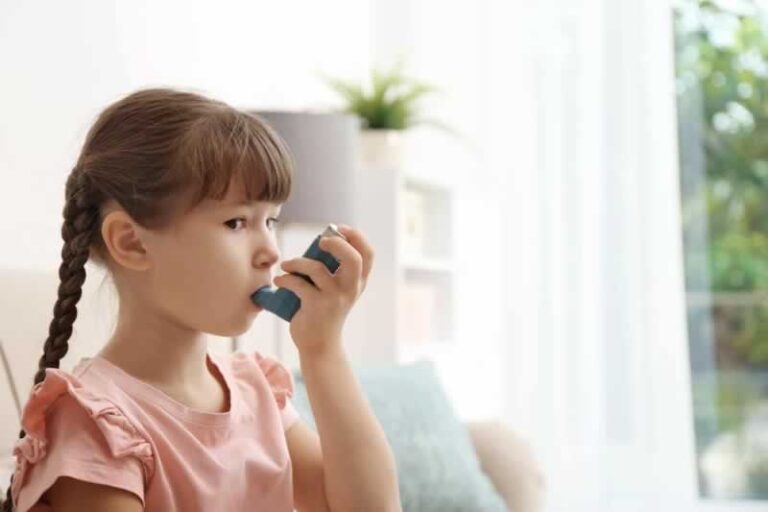
Several common air quality issues can affect homes, posing risks to the health and comfort of occupants. One of the most prevalent issues is the presence of allergens such as pollen, dust mites, and pet dander. These allergens can cause allergic reactions, asthma attacks, and other respiratory problems, particularly in sensitive individuals.
Another significant air quality concern is the presence of volatile organic compounds (VOCs). These are chemicals that can be emitted by a wide range of household products, including paints, cleaning supplies, and furniture. VOCs can cause headaches, dizziness, and long-term health effects, making it crucial to minimize their presence in the home.
Mold and mildew are also common air quality issues, often resulting from excessive humidity. These fungi can produce spores that become airborne and are inhaled by occupants, leading to respiratory issues and allergic reactions. In addition, mold growth can cause structural damage to the home, making it important to address moisture problems promptly.
The Role of Filtration in HVAC Systems
Filtration is a critical component of HVAC systems, playing a vital role in maintaining indoor air quality. HVAC filters are designed to capture and remove airborne particles such as dust, pollen, pet dander, and smoke. The effectiveness of these filters is measured by their Minimum Efficiency Reporting Value (MERV) rating, which ranges from 1 to 20. Higher MERV ratings indicate better filtration capabilities.
Standard HVAC filters typically have a MERV rating between 1 and 4 and are effective at capturing larger particles. However, for improved air quality, it is recommended to use filters with a MERV rating of 8 to 13, as these can capture smaller particles, including some bacteria and viruses. High-efficiency particulate air (HEPA) filters, with MERV ratings of 17 to 20, provide the highest level of filtration and are used in environments where air quality is critical, such as hospitals.
In addition to selecting the right filter, regular maintenance is essential to ensure optimal performance. Filters should be inspected and replaced according to the manufacturer’s recommendations, typically every 1 to 3 months. Clogged or dirty filters can reduce the efficiency of the HVAC system and compromise air quality, making regular maintenance a key factor in maintaining a healthy home environment.
Maintenance Tips for Optimal Air Quality
Regular maintenance of your HVAC system is crucial for ensuring optimal air quality in your home. One of the most important maintenance tasks is changing the air filters. As mentioned earlier, filters should be inspected and replaced regularly to prevent them from becoming clogged with dust and debris. Clogged filters can restrict airflow, reducing the efficiency of the HVAC system and allowing pollutants to circulate in the home.
In addition to changing filters, it is important to schedule regular professional inspections and tune-ups for your HVAC system. A qualified technician can check for issues such as leaks, faulty components, and improper installation, all of which can affect the system’s performance and air quality. Regular inspections can also help to identify potential problems before they become major issues, ensuring that your HVAC system operates efficiently and effectively.
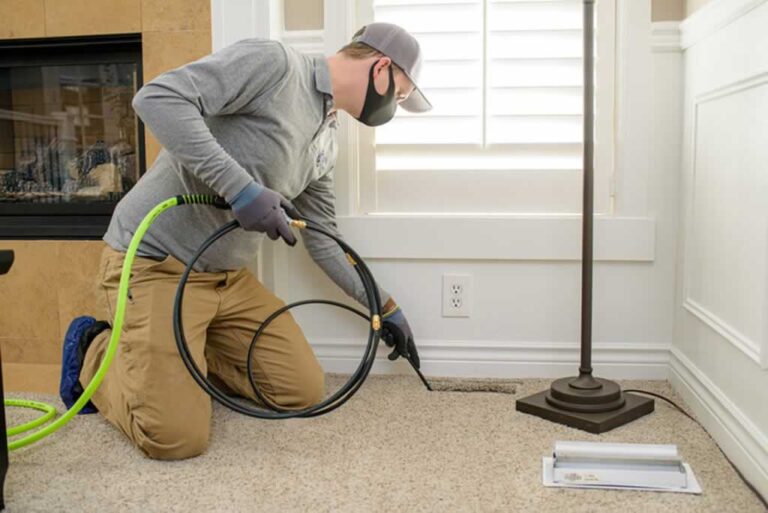
Keeping the ductwork clean is also essential for maintaining good air quality. Over time, dust, dirt, and other debris can accumulate in the ducts, reducing airflow and contributing to poor air quality. Professional duct cleaning services can remove these contaminants, improving the efficiency of the HVAC system and ensuring that clean air is circulated throughout the home. Additionally, sealing any leaks in the ductwork can prevent pollutants from entering the system and being distributed throughout the home.

Upgrading Your HVAC System for Better Air Quality
Upgrading your HVAC system can be a significant investment, but it can also lead to substantial improvements in indoor air quality. One option for upgrading is to install a more advanced filtration system. High-efficiency filters, such as HEPA filters, can capture smaller and more harmful particles, providing a higher level of air purification. Some HVAC systems also offer ultraviolet (UV) light technology, which can help to kill bacteria and mold spores, further enhancing air quality.
Another upgrade to consider is a whole-house ventilation system. These systems are designed to provide continuous ventilation, bringing in fresh outdoor air and exhausting stale indoor air. This helps to reduce the concentration of indoor pollutants and maintain a healthy indoor environment. Energy recovery ventilators (ERVs) and heat recovery ventilators (HRVs) are popular options that can also help to improve energy efficiency by transferring heat and moisture between the incoming and outgoing air streams.
Smart thermostats and air quality monitors are also valuable upgrades for managing indoor air quality. Smart thermostats can optimize the operation of your HVAC system, ensuring that it runs efficiently and maintains a consistent indoor climate. Air quality monitors can provide real-time data on the levels of various pollutants in your home, allowing you to take proactive measures to address any issues. By integrating these technologies, you can create a more comfortable and healthy living environment.
The Impact of Humidity on Indoor Air Quality
Humidity levels play a crucial role in indoor air quality and overall comfort. The ideal indoor humidity level is typically between 30% and 50%. When humidity levels are too high, it can create an environment conducive to the growth of mold, mildew, and dust mites, all of which can negatively impact air quality and health. High humidity can also make the air feel warmer than it actually is, leading to discomfort and increased reliance on air conditioning.
Conversely, low humidity levels can also pose problems. Dry air can cause respiratory issues, dry skin, and irritation of the eyes, nose, and throat. It can also lead to increased static electricity and damage to wooden furniture and flooring. Maintaining balanced humidity levels is essential for both comfort and health, and HVAC systems can play a significant role in achieving this balance.
Many HVAC systems come equipped with humidifiers and dehumidifiers to help regulate indoor humidity levels. Humidifiers add moisture to the air during dry winter months, while dehumidifiers remove excess moisture during humid summer months. By maintaining optimal humidity levels, these devices help to create a healthier and more comfortable indoor environment. Regular maintenance of these components is also important to ensure their effective operation and to prevent the growth of mold and bacteria within the system.
Using Smart Technology to Monitor Air Quality
Smart technology has revolutionized the way we manage and monitor indoor air quality. With the advent of smart thermostats, air quality monitors, and integrated home automation systems, homeowners now have more control over their indoor environment than ever before. These technologies provide real-time data and automation capabilities, making it easier to maintain a healthy and comfortable home.
Smart thermostats, such as those offered by brands like Nest and Ecobee, can learn your preferences and adjust the HVAC system accordingly. They can also be programmed to run on energy-efficient schedules, ensuring that the system operates optimally without wasting energy. Some smart thermostats are equipped with sensors that can detect changes in air quality and automatically adjust the system to address any issues.
Air quality monitors are another valuable tool for maintaining good indoor air quality. These devices can detect a range of pollutants, including particulate matter (PM), volatile organic compounds (VOCs), carbon dioxide (CO2), and humidity levels. By providing real-time data on air quality, these monitors allow homeowners to take proactive measures to improve their indoor environment. Many air quality monitors can be integrated with smart home systems, enabling automated responses to changes in air quality, such as adjusting ventilation or activating air purifiers.
Conclusion: Enhancing Indoor Air Quality Through HVAC Systems
In conclusion, HVAC systems play a vital role in maintaining and enhancing indoor air quality in homes. By controlling temperature, humidity, and ventilation, these systems create a comfortable and healthy living environment. Proper filtration, regular maintenance, and timely upgrades are essential for ensuring that HVAC systems operate efficiently and effectively, providing the highest level of air purification.
Understanding the common air quality issues that can affect homes, such as allergens, VOCs, and mold, is crucial for taking proactive measures to address these problems. Upgrading HVAC systems with advanced filtration technology, whole-house ventilation, and smart devices can lead to significant improvements in indoor air quality. Additionally, maintaining balanced humidity levels is essential for both comfort and health, and HVAC systems equipped with humidifiers and dehumidifiers can help achieve this balance.
Smart technology has further enhanced our ability to monitor and manage indoor air quality, providing real-time data and automation capabilities. By integrating smart thermostats and air quality monitors with HVAC systems, homeowners can create a more responsive and efficient indoor environment. Ultimately, investing in a well-maintained and advanced HVAC system is a key step in ensuring a healthier and more comfortable home for you and your family.