Water damage in your home can be destructive. The excess water can ruin your home, and without any repair or intervention, long-term structural damage might occur. Not only that, but water damage can also pose a danger to you and your family’s life. Thus, the most vital thing you should do after water damage occurs in your home is to call a water damage repair company.

However, while waiting for them to come to your rescue, there are certain things you shouldn’t do to prevent worsening the situation or putting your life at risk.
Leaving Electronics on Wet Surfaces
Technology can be easily damaged, especially when exposed to water. After a flood, it’s imperative to mitigate the damage to your electronics. However, don’t wade through the water, especially if these electronics are plugged in. This is dangerous and can lead to electrocution. If you’ve managed to save some of your electronics, contact an electronic technician when things have finally settled. These professionals can bring your electronics back to normal. Besides, getting these electronics fixed will cost you less than buying new ones. However, electronics submerged in water are less likely to be repaired. Do not attempt to use these electronics after a simple air-drying. This can lead the appliance to short-circuit, or worse, shock you. Have a professional inspect the appliances first, and if it’s irredeemable, buy a new one instead.
Entering a Room with Electrical Damage
While you may want to fix everything after the water damage occurred, always be careful of entering a room filled to the brim with water. There’s a possibility that electricity is running, and since water is a good conductor, it may electrocute you in the process. Never enter a flooded basement before any professional can fix the flooded room, even if you’re sure that the electricity is not running. You should wait until professionals remove any electrical meter, wirings, and sockets. The removal of wirings and outlets is the only indication that the room is safe from any electricity-related accidents occurring.
After professionals repair the damage, you should still be wary of the flooded room before entering. Ask an electrician to check on the electrical system of your home to look for other damages. The electrical grounding and bonding of the circuit might not function well and can lead to serious damage, such as a house fire.
Standing Under Saggy Ceilings
Ceiling leaks are a telltale sign that there’s an ongoing water issue in your home. When this happens, the ceiling becomes saggy. It weakens from saturating the water, causing the ceiling to sag. Apparent signs of ceiling damage are ceiling stains, ceiling cracks, peeling paint, and bowed ceilings. If these occur, then there might be a source of water damage in the attic or on the roof itself. Missing shingles, roof damage, and clogged gutters are the most common issues that can lead to damaged ceilings.
Saggy ceilings are a risk to your safety since pieces of the ceiling may fall and hit the person underneath it. Thus, avoid standing near saggy ceilings. Saggy ceilings can also develop mold problems, which can be bad for your health. After the damage is resolved and your house is free of water, call a professional to have your ceiling fixed.
Using Vacuum Cleaners to Get Rid of the Water
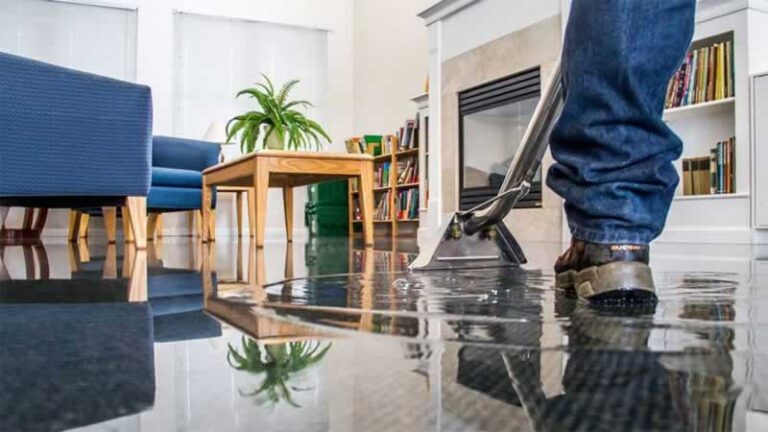
To vacuum water, you would need a special vacuum, not the regular vacuum that you have in your home. Regular vacuum cleaners are not designed to suck up water. The risk of electrocution is present if you attempt using a regular vacuum to clean up all of the water. Not only that but using a regular vacuum on the water will damage it.

Cleaning the Damage Yourself
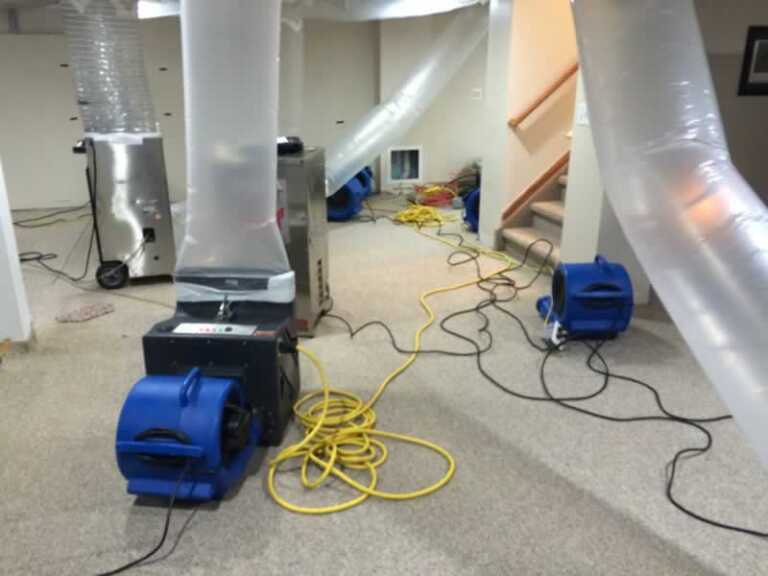
The first thing that you should do whenever there’s water damage in your home is to call a water repair company. Water restoration and repair services include assessment of the water damage, water extraction, dry up, locating water leaks, water damage repairs, and disinfection. Do not repair the damage by yourself. As mentioned above, some risks come with self-repair. These risks include electrocution, further electronic damage, and other health hazards. If you’re in Maryland, look for a trusted Maryland Water Damage Restoration and Remediation Company to assist you whenever water damage occurs in your home.
Accumulating Molds and Stains
Aside from the loss and damage that you may experience after flooding, mold damage can also occur in your home. After floodwater is cleaned up, there is a short period for the mold to develop. This development can take for only a few hours- not days, weeks, or months. These molds can be highly toxic if not removed immediately and can have long-term harmful effects on your health. Moisture is a crucial factor in the development of molds. If you address the water damage as soon as possible, it’ll be faster to dry up your home and prevent any mold growth. As mentioned above, professionals who deal with water damage will also disinfect your home to avoid mold and other bacterias from accumulating.
Takeaway
Water damage is a serious threat not only to your property but also to your health. It can affect the structural and electrical parts of your home that can potentially lead to its destruction. Fortunately, water damage repair companies can provide you with repair services, as well as other services that can help restore your home. When water damage occurs, don’t hesitate to call these professionals to help you with your repair needs.
Author’s bio:
This article is provided by Daniel Blake who has been hustling as a design student and freelance content writer for four years now. He actively contributes articles to various sites that specialize in real estate, interior design, property preservation, and technology. When he’s not busy making ends meet, Daniel spends his time reading Edgar Allan Poe’s classics.