There are many viruses and bacteria in the world that can cause you to feel ill. This can range from simply gastrointestinal distress to more complex disorders and even exhaustion. In many cases, you’ll blame the local child that was feeling unwell but there may be another cause of your sickness, poor air quality. In many cases, you don’t think about the air your breath. But the truth is that it can cause many different issues.

Here are the most common symptoms of bad air quality:
- Headaches
- Watery eyes
- Irritated nose & throat
- Respiratory issues
- Tiredness
You should be aware that this list is not exhaustive, there are other symptoms. Anytime you’re feeling unwell you should consider the quality of the air in your home or your business. Air quality can change daily. It’s also worth noting that specific diseases are linked with poor air quality. For example, asthma is commonly linked with dampness in a property. Damp leads to the appearance of mold and mold spores that float around invisibly in the air you’re breathing. Mold spores can have a detrimental effect on your health.
Improving The Air Quality
Air quality is affected by a variety of things. One of the most common issues is contaminants added to the air. Vehicles, factories, and even chemicals spread on farms all disappear into the air and reduce the quality of it. You can’t see these contaminants but they are present and will lower the quality of the air you breathe. A lack of ventilation in the building can also increase the number of contaminants as they are brought in but not eliminated. Other contaminants are already in the home, they can be emitted from the chemicals you use when cleaning or even the pet dander created by your beloved pets.

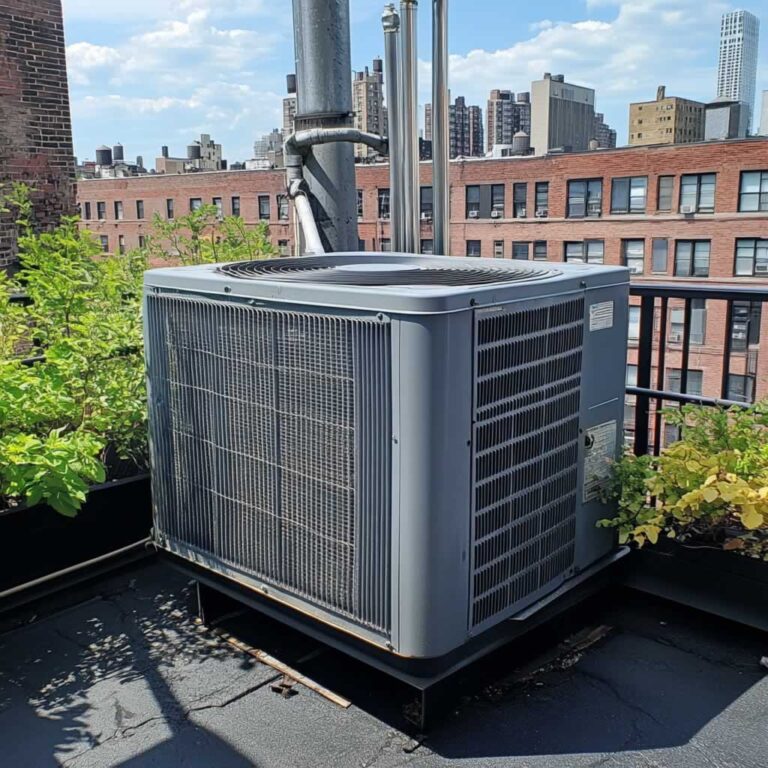
The list of potential contaminants is almost limitless. That’s why you need to look at the right ventilation system. A good place to start is by looking at air conditioning sales. An air conditioner will have an air filter built into it. This will filter out all the pollutants that are reducing the air quality. All you need to do is check the filter regularly and change it when necessary. The manufacturer will provide you with the schedule for changing filters. It’s worth noting that the right air conditioner can also be a heater, helping to filter your air throughout the year while keeping your house at a reasonable temperature.
Couple it with a good solar panel system and your air conditioner won’t just improve the quality of your air, it will reduce your energy bill. It’s also a good idea to look at your current vacuum cleaner. Some of the best cleaners have built-in filters that will remove the pollution from the air. This is especially important when you’re vacuuming as the machine will move the air around rapidly. Without a filter you’ll be pushing the pollutants upward, effectively increasing the amount you breathe in.