

Indoor air quality has quietly become one of the biggest health concerns of modern living. From urban pollution seeping indoors to allergens, dust, and invisible toxins, the air inside homes and offices is often more contaminated than people realise. With people spending nearly 90% of their time indoors, the question is no longer whether air quality matters—but how effectively we can improve it.
This is where modern filtration systems step in. Designed with advanced technology and precision engineering, these systems are transforming the way we experience indoor air, making it cleaner, safer, and more breathable.
Why Indoor Air Quality Matters More Than Ever
Air pollution is not limited to outdoor environments. Everyday activities like cooking, cleaning, and even using electronic devices release particles and pollutants into the air. Over time, these contaminants can trigger allergies, worsen respiratory conditions, and affect overall well-being.
Modern lifestyles also contribute to poor ventilation. Energy-efficient buildings often trap air inside, allowing pollutants to circulate continuously. Without proper filtration, this creates a cycle where harmful particles accumulate instead of being removed.
Improving indoor air quality is no longer a luxury—it is a necessity for healthier living.

The Evolution of Filtration Technology
Filtration systems have evolved significantly over the years. Traditional filters were designed to trap larger particles like dust and debris. While effective to a certain extent, they lacked the ability to capture microscopic pollutants.
Today’s systems use multi-stage filtration processes that target a wide range of contaminants. These include:
High-efficiency particulate air (HEPA) filters that capture tiny particles such as pollen, pet dander, and fine dust.
Activated carbon filters that absorb odours, smoke, and harmful gases.
Advanced technologies like UV light and ionisation that neutralise bacteria and viruses.
This layered approach ensures that air is not just filtered but thoroughly purified.
How Air Purifiers Work in Modern Systems
Understanding how air purifiers work helps explain why they are so effective. At their core, air purifiers draw in contaminated air, pass it through multiple filters, and release cleaner air back into the environment.
The process begins with a pre-filter that captures larger particles. The air then moves through finer filters like HEPA, which trap microscopic pollutants. Activated carbon layers remove chemical pollutants and unpleasant odours. In advanced models, UV light or other technologies are used to kill airborne microorganisms.
This continuous cycle ensures that indoor air remains consistently clean, even in spaces exposed to high levels of pollution.
Key Benefits of Modern Filtration Systems
Modern filtration systems offer more than just cleaner air. They contribute to overall comfort, health, and quality of life.
They reduce allergens, making spaces more comfortable for individuals with asthma or allergies.
They eliminate harmful pollutants, including volatile organic compounds that can affect long-term health.
They improve sleep quality by creating a cleaner and more breathable environment.
They reduce odours from cooking, pets, and smoke, enhancing indoor comfort.
These benefits are not just noticeable—they are measurable over time, especially in environments where air quality was previously poor.

Smart Features and Automation
One of the most significant advancements in filtration systems is the integration of smart technology. Many modern systems now include sensors that monitor air quality in real time.
These systems automatically adjust their performance based on pollution levels, ensuring optimal efficiency without manual intervention. Mobile apps and smart home integration allow users to control and monitor air quality remotely.
This level of automation makes maintaining clean air effortless, even in busy households or workplaces.
Choosing the Right Filtration System
Selecting the right system depends on several factors, including room size, specific air quality concerns, and lifestyle needs.
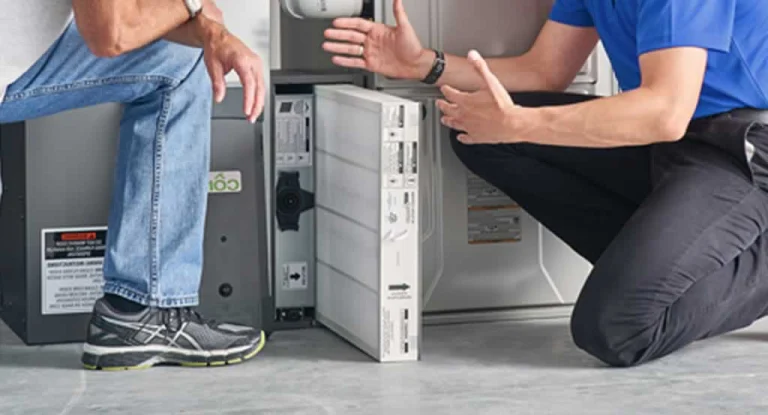
For smaller spaces, portable air purifiers may be sufficient. Larger homes or commercial settings often benefit from whole-house filtration systems integrated with HVAC units.
It is also important to consider filter types, maintenance requirements, and energy efficiency. Investing in a high-quality system ensures long-term performance and reliability.
The Role of Filtration in Health and Well-Being
Clean air has a direct impact on physical and mental health. Reduced exposure to pollutants can lower the risk of respiratory illnesses, improve concentration, and enhance overall comfort.
For families with children, elderly individuals, or pets, maintaining high air quality becomes even more critical. Modern filtration systems provide a proactive way to protect vulnerable individuals from airborne risks.
As awareness grows, more people are recognising that clean air is as essential as clean water.
Conclusion
Modern filtration systems have redefined what it means to breathe clean air indoors. By combining advanced technologies with intelligent design, these systems effectively remove pollutants, improve comfort, and support better health.
Understanding how air purifiers work highlights their importance in everyday life. They are no longer optional devices but essential tools for maintaining a safe and healthy environment.
Investing in the right filtration system is not just about convenience—it is a step towards long-term well-being. Clean air is fundamental, and with the right approach, it is entirely within reach.




It’s alarming to think that indoor air quality can be worse than outdoor air pollution. I didn’t realize how much time we spend indoors—almost 90%! It makes me rethink the importance of investing in a good filtration system.
It’s concerning to think that indoor air can be more polluted than outdoor air. The statistic about spending nearly 90% of our time indoors really hits home. It’s definitely a reminder that investing in modern filtration systems could be essential for our health.