
In a world increasingly driven by the quest for sustainability, investing in solar panels has emerged as a powerful choice for both your wallet and the environment. As energy costs continue to soar, harnessing the sun’s abundant power not only lowers your electricity bills but also contributes to a cleaner, greener planet. Imagine reducing your carbon footprint while enjoying appreciable savings each month—sounds appealing, right?
From tax incentives to rising property values, the benefits of solar energy are compelling and multifaceted. Beyond financial gains, this clean energy source is a vital part of the collective movement towards combating climate change. In this article, we delve into seven persuasive reasons why now is the perfect time to consider solar panels for your home. Discover how this one decision can transform your approach to energy consumption and make a meaningful impact on the world around you. Although you might have heard that installing solar panels is important, you might never have really thought about it enough to understand the specific reasons behind that importance. In fact, you might think you are able to live just fine with your current utility setup.
Financial Benefits of Solar Panels
One of the most compelling reasons to invest in solar panels is the significant financial savings they offer. At a time when energy costs are continually rising, homeowners are discovering that solar energy provides a stable and predictable alternative. By generating your own electricity through solar panels, you can significantly reduce or even eliminate your monthly utility bills. This immediate saving becomes more pronounced over time, as you are shielded from fluctuating energy prices and inflation.
Moreover, the initial investment in solar panels can be recovered relatively quickly through these monthly savings. Studies have shown that the average payback period for solar panel systems ranges from 6 to 8 years, depending on various factors such as location, system size, and local electricity rates. After this period, the electricity generated is essentially free, allowing you to enjoy decades of energy cost savings. This long-term financial benefit is a key factor driving the widespread adoption of solar energy.
In addition to direct savings on energy bills, solar panels can also contribute to increased financial security. By generating your own electricity, you reduce your dependence on external energy suppliers, protecting yourself from future price hikes. This energy independence translates to greater control over your household budget, making solar panel installations a financially savvy decision for the long haul.

However, having the ability to harvest solar power at your own residence or business has become such a valuable ability and resource that it is time to remind you of the financial, environmental, and personal benefits solar has to offer.
Self-sufficiency
With solar panels, you no longer have to rely on traditional electric grids for your power. This type of self-sufficiency means you never have to worry about brownouts, blackouts, or having your electric service shut off. Additionally, if you are a business owner, being able to cut ongoing electrical costs allows you to divert the revenue to marketing, advertising, or product development. In terms of water bills, if you are able to dig your own well, the electric power required to run the good pump is also free. Because electric power will cost you nothing to harvest, you no longer have to rely on natural gas. In effect, solar energy consolidates your energy usage into one type. This translates into zero utility costs starting at the time of installation.
Carbon footprint
You are probably aware that solar panels help reduce pollution caused by burning fossil fuels. However, what you probably did not know is that one solar panel installed in your home or business actually replaces the annual equivalent of 6,000 to 8,000 pounds of fossil fuels. If you have a larger home or business, you will be able to have an even greater positive impact on the environment. In terms of global impact, researchers state that a greater reliance on solar energy could help slow the effects of global warming. As a result, the air would be cleaner, which is better for animals, plants, and people with respiratory conditions. With a more stable temperature, sea levels would likely stabilize.
Money
In addition to saving you money on your utilities, solar panels add value to your home. When you go to sell your house, it will draw much more interest from potential buyers. As a result, you will have the ability to sell your home faster for more money. Additionally, many electric companies allow residences and businesses to sell surplus electricity back into the main grid. This translates into direct earnings for your family or your business, something that is impossible with traditional utilities. Finally, in terms of maintenance, solar panels are sturdy and last for decades. If you keep them free of wind-blown debris, they just keep working. Additionally, when the panels are installed, the on-site specialist can give you information for reliable and quick repair service for solar panels that they install, saving you the hassle and money should the need ever arise.
Government Incentives and Tax Credits for Solar Energy
Government incentives and tax credits are among the most persuasive reasons to invest in solar panels today. These financial incentives are designed to make solar energy more accessible and affordable for homeowners, effectively reducing the upfront costs associated with solar panel installations. By taking advantage of these programs, you can significantly lower your initial investment and accelerate the payback period for your solar energy system.
One of the most well-known incentives in the United States is the Federal Solar Investment Tax Credit (ITC). The ITC allows homeowners to deduct a percentage of their solar installation costs from their federal taxes. As of 2023, the tax credit stands at 26%, but it is set to decrease in the coming years. By acting now, you can maximize your savings and take full advantage of this generous tax credit before it diminishes.
In addition to federal incentives, many states and local governments offer their own rebates, grants, and tax credits to encourage solar adoption. These programs vary by location but can provide substantial financial assistance. Some utilities also offer performance-based incentives (PBIs), where you receive payments based on the amount of solar energy your system generates. By exploring and leveraging these incentives, you can significantly reduce the overall cost of your solar panel installation.

Investment returns
As an investment, solar does carry some upfront costs. However, the average home or business owner breaks even on that investment within 36 months. In the 37th month, the savings translate into money in your pocket. If you are a business owner, your company’s brand will be seen as much more environmentally friendly and responsible. As such, the return on investment begins immediately with customers who care about the environment. It is important to source a reputable PV installer such as PV Generation so you get the best outcome for your investment.
Modular installation
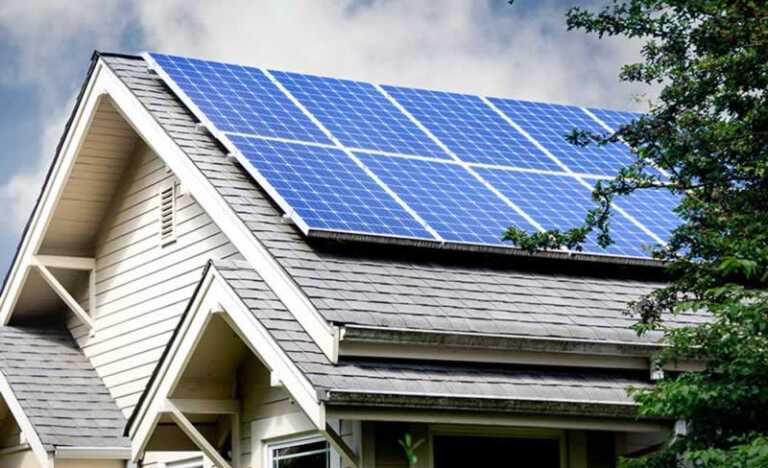
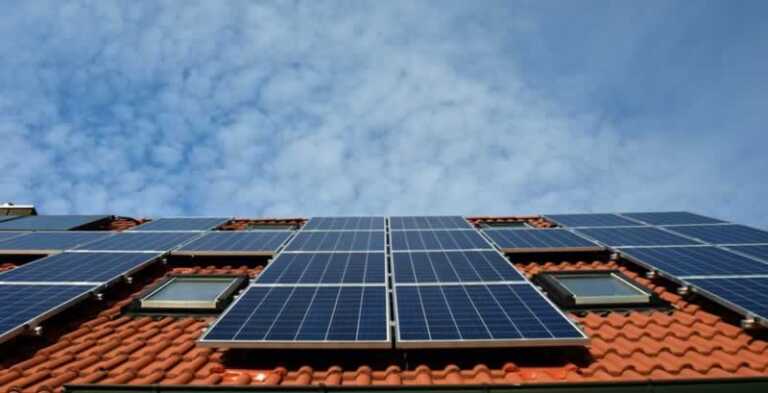
Whether you install the panels yourself or have a certified technician install them, you will find that you have many options. Unlike utility lines, which are installed according to the electric company’s discretion, you can opt to install them on the roof of your home, on a nearby solar shed, or on an exposed area of your yard. Such flexibility allows you to take advantage of the sun’s angle on your property. Additionally, you can start small and add more panels as time passes. For instance, to add panels to a current installation, all a technician needs to do is to insert the panels and hook them up to your existing network. Because you can easily add more panels as the need arises, anyone can begin using solar. Within a couple of years, you could be completely self-sufficient without all of the burdensome upfront costs.
Common Misconceptions About Solar Panels
Despite the numerous benefits of solar energy, several misconceptions persist, potentially deterring homeowners from considering solar panel installations. One common myth is that solar panels are only effective in sunny climates. In reality, solar panels can generate electricity in various weather conditions, including cloudy and overcast days. While direct sunlight maximizes energy production, modern solar panels are designed to capture diffuse sunlight, making them effective in diverse environments.
Another misconception is that solar panels are prohibitively expensive. While the initial cost of installation can be significant, the long-term savings on energy bills and the availability of government incentives and tax credits make solar energy a financially viable option. Additionally, various financing options, such as solar loans and leases, allow homeowners to spread out the costs and start saving on energy bills immediately.
Some homeowners also believe that solar panels require extensive maintenance. In reality, solar panels are low-maintenance systems with no moving parts, requiring minimal upkeep. Regular cleaning to remove dirt and debris, along with periodic inspections to ensure optimal performance, are typically sufficient. Many solar companies also offer maintenance packages and warranties, providing peace of mind and ensuring the longevity of the system.
Conclusion: The Future of Solar Energy
As we look towards the future, the role of solar energy in our global energy landscape is poised to expand significantly. With ongoing advancements in technology, decreasing costs, and growing awareness of environmental issues, solar power is set to become a cornerstone of sustainable energy solutions. For homeowners, investing in solar panels today offers a unique opportunity to contribute to this transformative movement while enjoying substantial financial and environmental benefits.
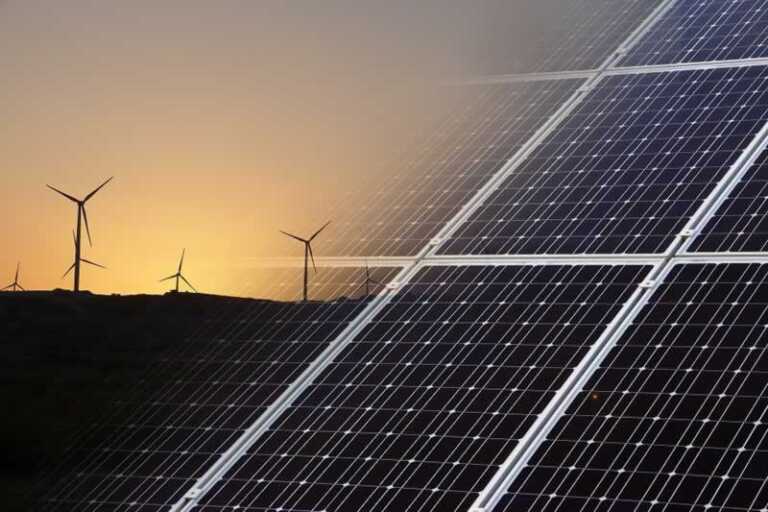
The transition to renewable energy sources like solar is not just a trend but a necessity in our efforts to combat climate change and secure a sustainable future. By harnessing the power of the sun, we can reduce our reliance on fossil fuels, lower greenhouse gas emissions, and protect our planet for future generations. The decision to invest in solar panels is a step towards a cleaner, greener, and more resilient energy future.
In conclusion, the advantages of solar energy are compelling and multifaceted. From financial savings and increased property value to environmental stewardship and energy independence, the benefits of solar panels extend far beyond the initial investment. By making the switch to solar energy, you are not only investing in your own future but also in the future of our planet. Now is the perfect time to embrace solar power and join the movement towards a sustainable and prosperous energy future.