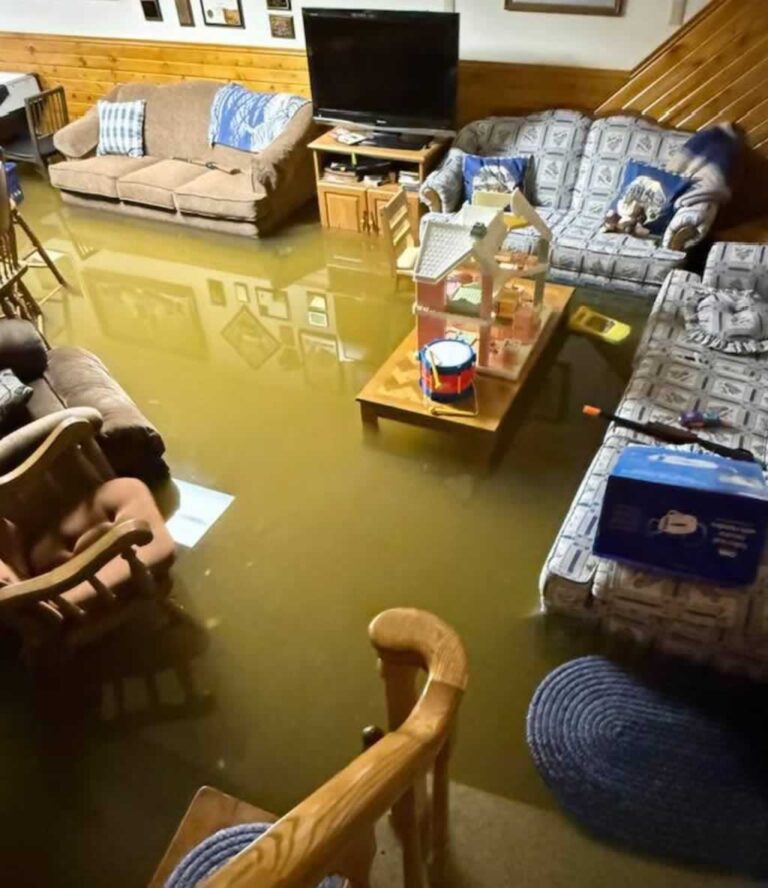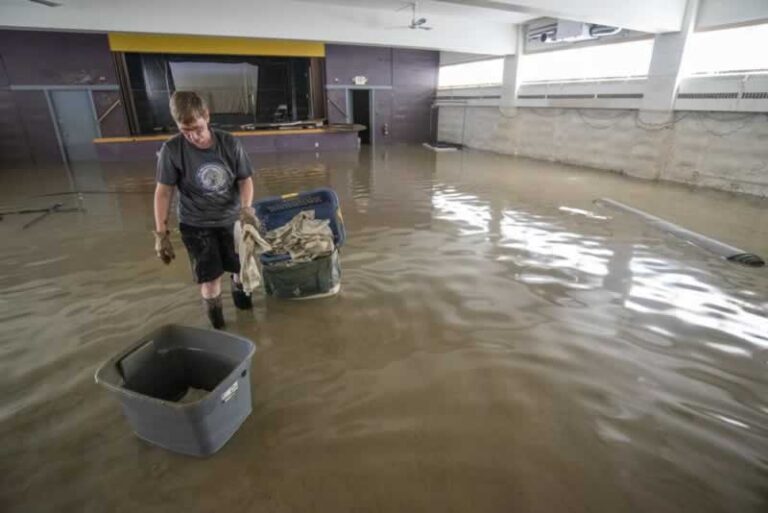

Your house has managed to tough it out through another long winter. It’s time to pull out the cleaning supplies from the back of the hallway closet, so you can get your home features running in tip-top shape. You should put chores that save your basement from flooding at the head of your spring cleaning to-do list to prevent flooding.

Clean Your Gutters
When gutters are clogged with debris, rainwater and melted snow can’t be directed safely away from the house. It pools inside of the gutters until it spills into the siding, windows or foundation of the house.
When there is no slippery ice or snow on the ground, you should get a ladder and clean your gutters and downspouts by scooping out the contents with a garden trowel. After clearing out the debris, use a hose to rinse the gutters of any leftover dirt. The technique will also help you check if the drainage system is working well.
How often should gutters be cleaned in a common question for homeowners. it is advised that gutters are cleaned at least twice month, however if your home is surrounded by lots of tress you might need to have these cleaned more regularly. It is best to have your gutters cleaned after the autumn months to ensure they are clear of any leaves that have fallen during this change in season. This will guarantee that you gutters are prepared for the winter months.
Extend Your Downspouts
Even if you clear out your gutters, your drainage system could be sending the rainwater to the basement if the downspouts are too close to the building. Check to see if your downspouts are too close for comfort — the exit should be 6 to 8 feet away from the house. They can be lengthened with extensions.
Check Your Sump Pump
One of the best ways to avoid spring basement flooding is to have a sump pump and run seasonal maintenance to guarantee it’s in excellent condition. You don’t want to find out it’s broken when water starts splashing onto the floor. Take your spring cleaning mission as an opportunity to test your sump pump and doublecheck that it’s ready to protect your property from expensive water damage.
Locate the sump pit and make sure that the device is properly plugged into an outlet. Slowly pour buckets of water down into the pit, so that the machine turns on and removes the water from the basin.
If the process seems slow or if nothing happens, you should call a plumber to inspect the machine for repairs or to help you get a replacement.
Inspect Your Drains
A clear floor drain could be the backup plan that rescues the entire space from rising waters. A blocked floor drain could make the messy situation much worse.
Call on a trusted plumbing company to run a video camera inspection down your drains. The camera will help them locate any clogs, leaks or breaks that could sabotage flood prevention. A plumbing headache could be sitting right under your nose. Once the experts find the problem area, they will go forward with the best way to fix it — click here to learn more about drain cleaning and drain repair services.

Vacuuming the carpet and polishing wood furniture are important chores, but all of your hard work will be destroyed if the basement floods. Tasks like clearing gutters, moving downspouts, checking sump pumps and clearing drains should be a top priority. They will be well worth the effort because they can prevent flooding in your home.