One of the joys of being a homeowner is the satisfaction that comes with completing a home renovation or improvement project. However, not every project warrants a quick DIY fix. The question every homeowner needs to ask is whether to do-it-yourself (DIY) or call in a contractor for professional craftsmanship. Several factors, like money, time, quality of results, and your personal confidence and abilities, that impact this decision.

So, should you DIY or see about a contractor for your next project? Here are some things to consider as you weigh your options.
Know Your Resources
The general rule of thumb is to tackle projects you feel comfortable with and have the necessary skill set to complete. For example, you can normally paint a room and save money but installing tile, but building a deck might need more professional aid. You can increase your comfortability doing the project if you have the right resources. The internet opens up new possibilities for DIY projects, with plenty of how-to videos and more. It’s easy to learn how to craft molding or build a bookshelf.
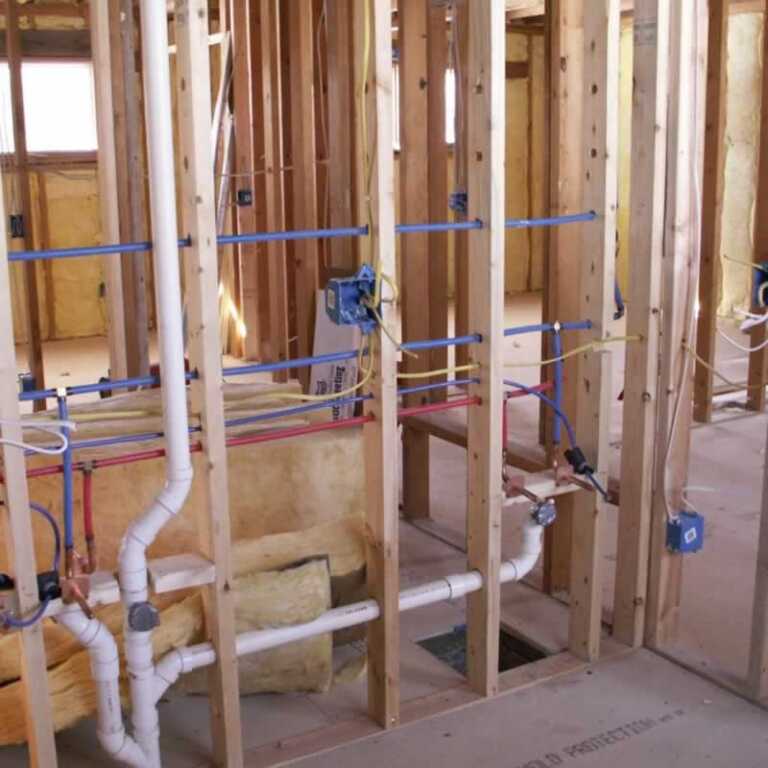
However, knowing your resources also means knowing what you can’t realistically learn. Some skills cannot be mastered overnight, like plumbing repair. You can’t risk having an unsafe property, and so it’s your duty to hire a contractor. One factor that won’t affect this decision is location. If you’re looking for contractors Salem Oregon has just as many as Buffalo, New York. Know who to call in your area and consider reaching out if you have a dangerous project on your hands.
Manage Your Expectations
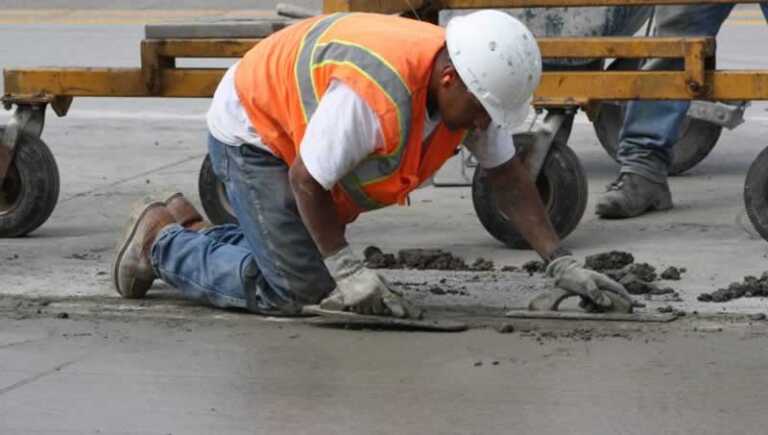
One factor that impacts whether you go DIY or hire a contractor is your expectations. Professionals will get you high-quality results that will be long-lasting. A DIYer might be able to accomplish the task, but not to the standard of a professional. You might be able to lay the tile, but it could be uneven. If you are okay with that, you can go for it. If it will bother you to no end, you should hire a contractor.
Be Your Own Contractor
As you manage expectations, keep in mind large renovations and improvement projects are likely to consist of multiple parts. Break the project down into its various components and decide if you can handle parts of it. If you can, you can negotiate with a contractor for what you cannot complete while saving some money. This might also expand to be a “buy-it-yourself” project. This means you purchase the project materials needed and then hire a professional to conduct the installation. This approach allows you to buy at discounted rates or eliminate contractor mark-ups. Contractors often do not have time to search for sales and get their supplies direct from supplies. You do not have that limitation and can shop around for the right price. Make sure to check with potential contractors to ensure they are willing to work with this approach.

Play it Safe
At the end of the day, you want to feel safe in your own home. If the project has any potential hazards, consider a professional. Potentially hazardous projects include anything with:
- Lead paint
- Mold
- Asbestos
- Old wiring
- Polubutylene piping
Other hazardous projects can involve structural changes, like taking out walls or fixing the foundation. You do not want to literally bring the roof down – so be safe. If you have confidence in your abilities and can safely complete the project, then go for it!
Consult
If you are swaying between the two routes, simply consult a professional. Many contractors will offer free quotes and appraisals. At the very least, you can get a sense of what the project requires and how much a professional will cost. From there, you can weigh the pros and cons to decide which option works best. A professional opinion might even shed light on aspects of the project you have not considered yet.