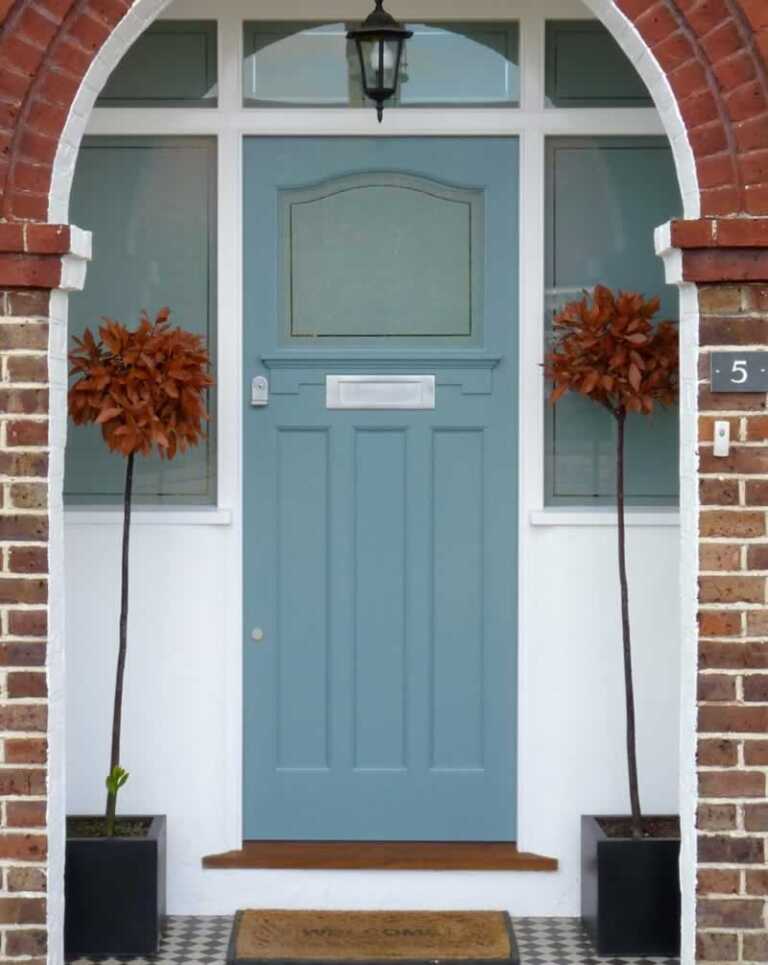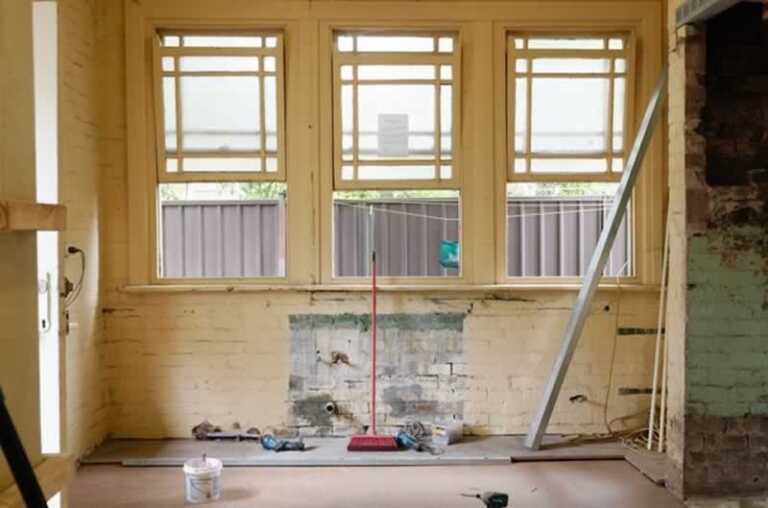

About seven out of ten homes built before 1978 have lead paint. The older the home, the greater the odds it has lead paint somewhere. Lead paint is a potential health hazard, though it is relatively safe if covered by layers of subsequent paint. A surprising number of people accidentally increase the health threat by removing it the wrong way.

We’ll discuss how to remodel a home with lead safely.
Understand Your Abatement Options
Know the difference between RRP vs Abatement before you go with one option or the other. RRP stands for renovation, repair and painting. This doesn’t necessarily remove lead paint from a property. It will not make a home lead-free. Any RRP activities in a home with lead paint could create a health hazard, whether you’re remodeling the kitchen, replacing windows, rewiring the house, or fixing the plumbing.
Lead abatement is the term used for any step before, during or after the lead removal process. Testing the house for lead, removing lead paint, and verifying it is lead free after lead abatement or RRP all count as lead abatement. If a child in the property has elevated levels of lead in the blood or you want to remove the risk from your life, you have to go with lead abatement. However, you’ll have to take a number of steps to minimize the potential hazard created by the abatement process itself.
Get the Property Tested
Know where lead is and isn’t in the house before you begin any project, whether it is for renovations or abatement. Don’t pay extra to contain potentially hazardous dust if there’s no lead paint in the room. And don’t do renovations assuming there is no lead paint in the space. Have lead check swabs or other tests done so that you know for certain.
Proactively Work to Contain the Dust
Proactively prevent the dust from reaching the rest of the home. Remove all of your belongings from the room so that they can’t capture lead dust instead of covering them up. Seal off air ducts so that the dust doesn’t accidentally get distributed through the rest of the house.
Put sticky mats at the door or entrance to the work area to trap dust. You really can’t have too few of these around. When you leave the work area, remove the clothing carefully so you don’t carry it to the rest of the house. Then wash it where it can’t contaminate other items in the house if you’re not going to dispose of it altogether.

Minimize Dust Creation
Any renovation project will result in some dust. However, you can also take steps to minimize dust creation. For example, you can use sanders or grinders with attached HEPA air filters. Don’t pound the boards. Pull or pry them off instead. You could score the paint before you start breaking off boards to minimize how much loose dust is created as the painted sections are broken.
Misting surfaces before you start scraping them to remove paint will minimize airborne dust. You can continue to mist the surface as you work. Consider misting before cutting or drilling, too. Alternatively, you could apply creams like shaving cream to capture dust. Don’t use liquid water, since that’s dangerous around electrical tools.
Conclusion
You should always follow this tips if you remodel a home with lead! Whether you’re minimizing the risk of lead dust or permanently eliminating it, you must take steps to minimize the potential risks. Otherwise, you’ll be in for another costly cleanup process – or worse.