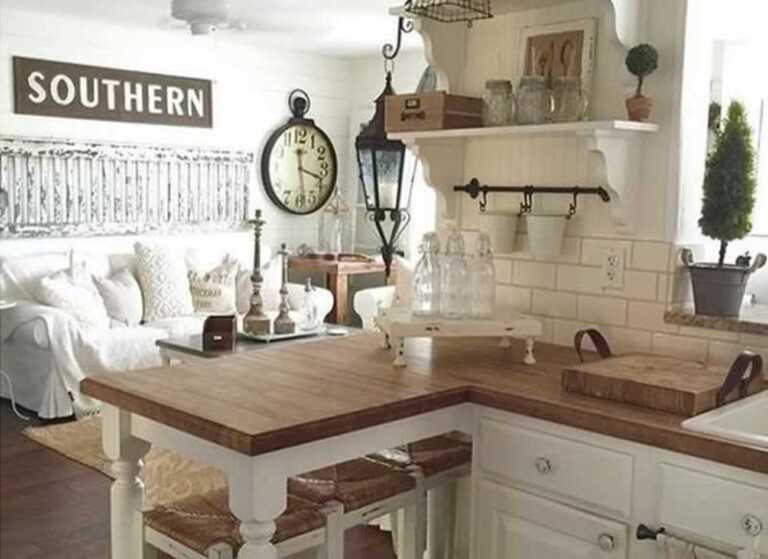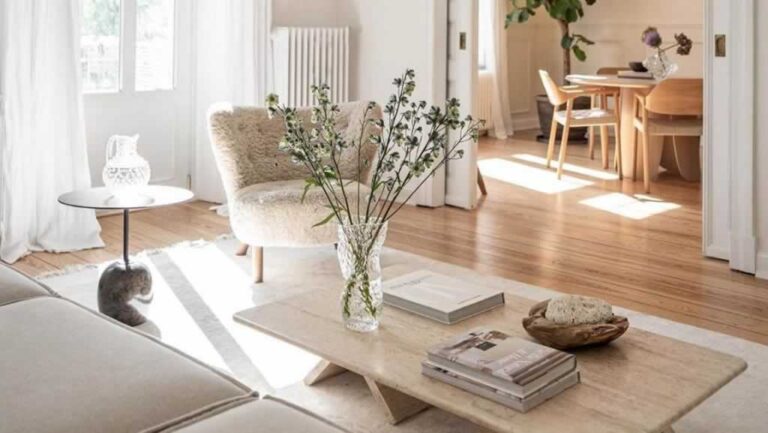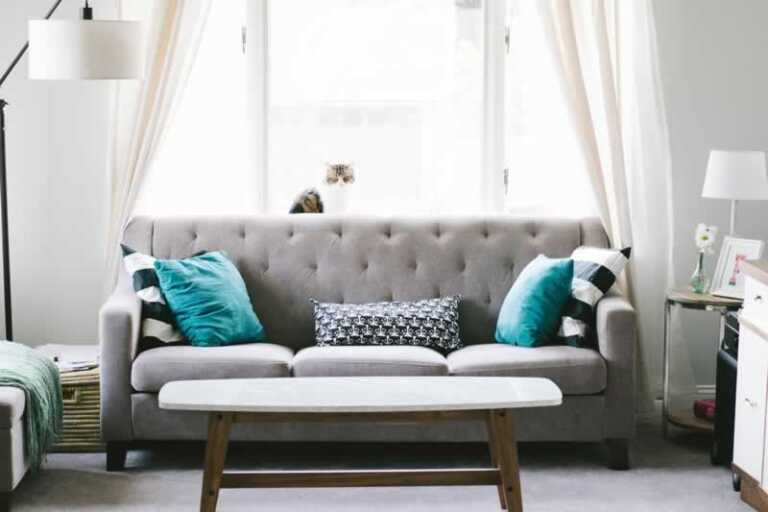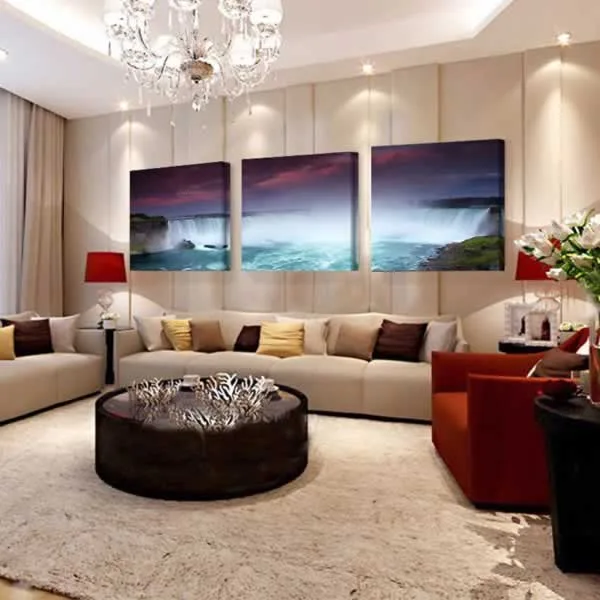

Everyone deserves a spot in their home that feels entirely their own. Whether you call it a man cave, a she-shed, a reading nook, or simply your corner, having a dedicated personal space can make a real difference in how you unwind after a long day. Setting one up does not require a massive renovation or a big budget. With a few intentional choices, you can transform an underused area into your favourite room in the house.
Choosing the Right Location
The first step is identifying where your personal space will live. A spare bedroom is the most obvious choice, but plenty of other options work well. A finished basement corner, a converted garage section, an enclosed patio, or even a large closet can serve the purpose if you approach it thoughtfully.
The key requirements are simple: the space should be somewhat separated from high-traffic areas of the home, have adequate ventilation, and be comfortable to spend extended time in. Ventilation is especially important if you plan to use the space for hobbies that produce any kind of odour or residue, whether that is painting, soldering, cooking, or vaping.

Getting the Ventilation Right
Good airflow is one of the most overlooked elements of a personal space. A stuffy room is not a relaxing room, no matter how well you decorate it.
For rooms with windows, a simple window fan setup works well. Place one fan facing outward to exhaust stale air and crack a window or door on the opposite side to create cross-ventilation. If the room lacks windows, consider installing a small exhaust fan similar to a bathroom ventilation unit. These are affordable, relatively easy to install as a weekend project, and make a noticeable difference in air quality.
For spaces where you want to go a step further, a standalone air purifier with a HEPA filter handles particulates effectively. Many modern units are whisper-quiet and designed for rooms up to 400 square feet, making them well-suited for a personal space without the noise of a larger system.
Furniture and Comfort Essentials
Keep the furniture minimal but high-quality. A comfortable chair should be your biggest investment. Whether that is a recliner, a gaming chair, or a classic leather armchair depends on what you plan to do in the space. Sit in it before you buy it, and prioritize comfort over aesthetics.
A small side table gives you a place for drinks, snacks, and whatever accessories your hobbies require. If you vape, for instance, having a designated spot for your device, charger, and supplies keeps things organized and prevents the clutter that accumulates when personal items get scattered across the house. Retailers like vapecloud.ca ship nationwide with free delivery on larger orders, making it easy to keep your space stocked without leaving home.
Add a small bookshelf or floating shelves for storage. These keep the space functional without eating up floor area. Wall-mounted options work particularly well in smaller rooms where every square foot counts.
Lighting Makes or Breaks the Mood
Overhead lighting alone creates a flat, uninviting atmosphere. The fix is layered lighting. Combine a dimmable overhead fixture with one or two accent lights, such as a floor lamp and a table lamp or LED strip lighting behind shelving.
Smart bulbs that adjust colour temperature are a worthwhile upgrade. Warmer tones (2700K) create a relaxed vibe for evening use, while cooler daylight tones (5000K) work better if you use the space for detailed work or reading during the day. Most smart bulbs work with standard fixtures and can be controlled from your phone.

Sound and Entertainment
A small Bluetooth speaker or a soundbar is usually all you need for audio. Position it at ear level for the best sound quality, which typically means placing it on a shelf rather than on the floor.
If you plan to watch content in the space, a wall-mounted monitor or TV saves surface area compared to a traditional stand. Make sure the viewing distance matches the screen size. For most personal spaces, a 32 to 43 inch screen hits the sweet spot between immersive viewing and room-appropriate scale.
Keeping It Clean and Maintained
The simplest way to keep your personal space enjoyable long-term is to build maintenance into the design. Choose surfaces that are easy to wipe down. Avoid carpet if possible, as hard flooring or a washable area rug is much simpler to maintain. Keep a small waste bin in the room so you do not accumulate trash.
A weekly five-minute tidy is usually all it takes. Wipe surfaces, empty the bin, and put anything that wandered out of its designated spot back where it belongs. The goal is a space that stays inviting with minimal effort.
Final Thoughts
A personal space does not need to be elaborate to be effective. The best setups are the ones that reflect how you actually relax and what you genuinely enjoy. Start with comfort, ventilation, and good lighting, then add the personal touches over time. You will know you got it right when it becomes the room you look forward to spending time in.