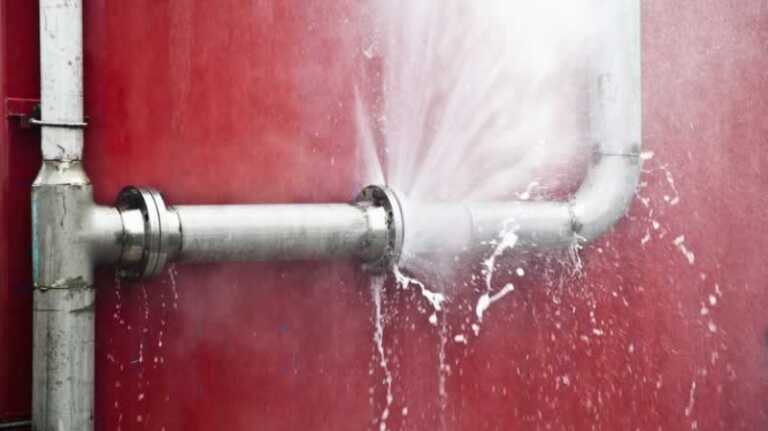
Leaks are among the most frequent plumbing issues homeowners encounter. Water may escape from a pinhole in a corroded metal pipe, a split in plastic tubing, or a joint that has loosened over time. Changes in temperature, vibration from appliances, excessive water pressure, and accidental impacts can all contribute. In older homes, years of corrosion may thin a pipe wall until even a small disturbance causes a drip. Look for damp cabinets, water stains, musty smells, or unexplained increases in your water bill.
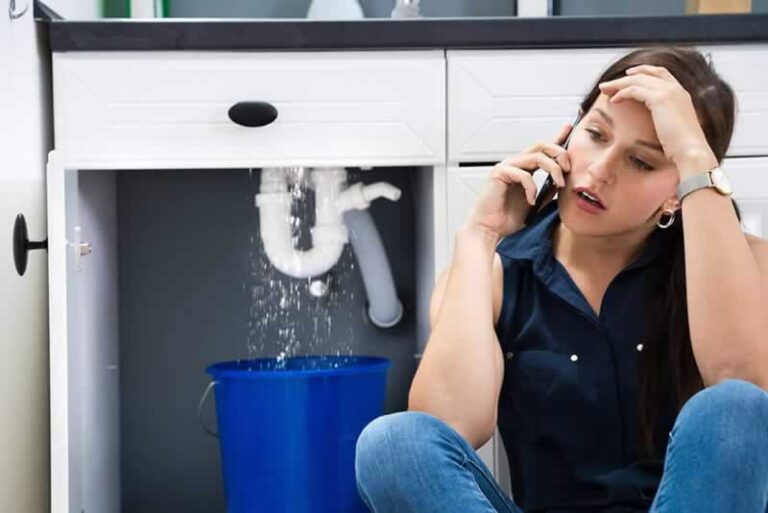
A leak’s location can provide clues about its cause. Water around a threaded connection may point to a loose fitting or deteriorated thread sealant, while moisture along the middle of a pipe can indicate corrosion or cracking. A drip beneath a sink might come from the supply line, drain assembly, faucet, or condensation, so dry the area and observe where fresh water first appears. Don’t assume the visible puddle marks the source: water can travel along a pipe or cabinet surface before collecting somewhere else.
Clogs usually form when grease, soap residue, hair, food scraps, or foreign objects accumulate inside a drain. In bathroom sinks and showers, hair combines with soap to create a stubborn obstruction. Kitchen drains often collect oils and food particles, while toilets can clog when too much paper or an unsuitable object is flushed. A slow drain is commonly an early warning. If several fixtures drain poorly at once, however, the blockage may be in a shared branch or main sewer line rather than in a single trap.
Other common problems include noisy pipes, low water pressure, and damage caused by freezing. A rattling pipe may be poorly secured, while a sudden pressure change could signal a supply issue or hidden leak. In cold weather, water inside an exposed pipe can freeze and expand, splitting the pipe even if the leak only becomes noticeable after thawing. Before repairing anything, identify whether the affected line carries drinking water, heating-system fluid, or waste. The material and purpose of the pipe influence which repair products and methods are appropriate.

Tools and Materials Needed for Pipe Repair
Gather your equipment before shutting off the water so you’re not searching for supplies while a line is open. A basic kit may include an adjustable wrench, tongue-and-groove pliers, a pipe cutter suited to the material, a bucket, absorbent towels, a flashlight, and a tape measure. A drain snake or hand auger is useful for many localized clogs. Keep safety glasses and work gloves nearby, too. Avoid using tools that are too large or applying excessive force; rounded fittings and cracked plastic are more expensive to replace than a worn washer.
Materials depend on the repair. A small leak at a compression fitting may need a replacement washer or ferrule, while a damaged section of pipe may require a compatible coupling and a short length of matching pipe. Plumbing tape is intended for suitable threaded connections, not for wrapping around a leaking pipe body. Pipe repair clamps, rubber repair sleeves, and repair putty can sometimes provide temporary relief, but they must be sized correctly and used within their stated pressure and temperature limits.
For permanent repairs, make sure every component is approved for the pipe’s material, location, and water use. Copper, PEX, PVC, CPVC, and galvanized steel have different connection methods and compatibility requirements. Solvents and primers used for certain plastic systems are not interchangeable, and not every product is approved for drinking-water lines. Read labels and manufacturer instructions rather than relying on appearance alone. If the pipe is part of a gas system, do not attempt a repair with ordinary plumbing supplies; leave that work to a qualified professional.
A few inexpensive extras can make the job cleaner and easier. Have a marker for identifying the damaged area, a small container for catching water, and a phone or camera to record how fittings are arranged before disassembly. If you plan to cut pipe, confirm the replacement coupling’s dimensions and required insertion depth in advance. For a repair that involves soldering, specialized crimping equipment, or solvent welding, consider whether renting the correct tool—or hiring a plumber—is the better value. A makeshift connection can fail and cause costly water damage.
Step-by-Step Guide to Fixing Leaks
Pipe Relining
One of the primary things that you can consider when it comes to repairing pipe problems is pipe relining. Plumbers say that pipe relining is a far more affordable and less invasive solution than completely replacing pipes. The great thing about this is that it can even be done in just a day for most projects. Thus, it is one of the most viable solutions, great for house flipping and home renovations. The reason behind this is that pipe relining, which is sometimes referred to as cured-in-place pipelining (CIPP), paves the way for the replacement of your pipes without having to dig up your existing pipelines. Instead, your pipes are repaired by curing them from the inside through the use of a special resin.
How it is done
In pipe relining, your existing pipes are first checked and inspected. From there, any blocked pipes are cleaned before another inspection is conducted. Then, the length of the lining is determined before the pipe is saturated with epoxy resin. This step is then followed by a curing process which can either be done by letting the lining cure manually or accelerated with the use of hot water. The junctions and inspection pits are then cut before the pipe relining process is deemed complete.
Benefits
Pipe relining has various benefits such as limited landscaping problems because minimal disruption occurs to the surface. In this case, you are safer because the risk of any accidents due to a disrupted ground surface is minimized, if not truly eliminated. It is also a cost-effective solution that paves the way for a faster repair in the future if necessary. More often than not, pipe relining even lasts longer than when you have your pipes replaced.
Sealants and Temporary Fixes
When it comes to damaged or PVC pipes, there are various repair methods that you can consider. For one, you can try to use fiberglass resin tape or cloth to seal a leak. Just remember that this is merely a temporary solution that can slow down the damage to your PVC pipe. There is also the option for you to use epoxy, as well as rubber and silicone repair tape to seal a minor leak. Rubber tapes and hose clamps are also effective means to address leaks in PVC pipes. These repair options, however, are all temporary, which means that you still need to get in touch with professional plumbers to help you address the root cause of the problem.

When it comes to copper pipes, you can likewise try to use pipe repair clamps or epoxy putty to seal leaks and prevent further damage to your pipes. There is also the option for you to use a pipe leak tape or even consider soldering. Like with the PVC pipes, though, these are all temporary solutions that still need to be inspected by professional plumbers.
Pipe Replacement
Finally, you can always go for a pipe replacement to repair your damaged pipes. Some of the things that you need to look out for, indicating that you already need to have your pipes replaced, include cracks and leaks, as well as corrosion and discolored water. Even a decrease in your water pressure can be a sign that you already need to have your pipes replaced. The good thing though is that if you have PVC pipes installed, then replacing them will be the last thing on your mind because if properly installed, PVC pipes are known to last indefinitely. On the other hand, if you have galvanized steel, as well as brass or copper, or even cast-iron pipes, then at some point, you will need to have them replaced.
When to Use Pipe Sealants and Epoxies
Pipe sealants serve different purposes, so select one based on the joint rather than the appearance of the leak. Thread-sealing tape and pipe joint compound are used on compatible threaded connections, following the product’s instructions. They are not substitutes for a washer, a properly fitted compression joint, or a sound pipe wall. Applying tape to the outside of a leaking pipe does not create a reliable pressure seal. Before reassembling a threaded connection, clean it and check that the threads are undamaged.
Epoxy putty and repair compounds can be useful for small, accessible defects when the label permits that type of pipe and service. Preparation matters: the surface may need to be cleaned, dried, roughened, or shaped before application, and the product needs the stated curing time before water is restored. Some formulations work only on certain materials or at limited temperatures and pressures. Others are not suitable for drinking-water contact. Read every warning, including restrictions involving hot water, chemical exposure, and indoor ventilation.
Treat sealants and epoxies as targeted tools, not universal fixes. They may help with a minor, nonstructural leak or provide temporary control while arranging a proper repair, but they cannot rebuild a badly corroded pipe or correct a failing connection. Don’t cover a fitting you may need to inspect later, and don’t bury a patch behind a wall without confirming that the repair method is permitted and durable. Where a leak is hidden, recurring, or affecting a critical line, a plumber can determine whether replacement is necessary.
Cost Comparison: DIY vs. Professional Repairs
A basic DIY repair can be inexpensive when the problem is clear and accessible. Cleaning a sink trap may require little more than a bucket and gloves, while a small repair kit or replacement washer can cost only a modest amount. A drain snake, pipe cutter, or adjustable wrench may be a one-time purchase that can help with future household tasks. Before buying equipment, compare the price of the tool with a plumber’s service charge and consider whether you will use it again.
Professional repairs generally cost more upfront because the invoice may include labor, travel, diagnostic time, materials, and applicable fees. In return, a qualified plumber can identify concealed causes, use specialized equipment, and complete work that requires particular expertise. Pricing varies by region, urgency, pipe material, accessibility, and the extent of damage, so a quote is more informative than a generic online estimate. Ask what the service includes, whether parts and follow-up are covered, and whether the repair addresses the cause or only the immediate symptom.
The cheapest immediate option is not always the least expensive overall. A patch that fails overnight can damage cabinets, flooring, or ceilings; an incorrectly chosen fitting may lead to a larger leak. Conversely, paying for a straightforward repair that you could safely handle may not fit every budget. Weigh the material cost, tool expense, time, risk of failure, and potential damage. If the repair involves a hidden pipe, high water pressure, or a specialized connection, a professional’s experience can be worth the cost.
To keep expenses manageable, act quickly when you notice a leak, shut off water to limit damage, and take clear photos before requesting an estimate. Ask whether the plumber can provide options, such as a localized repair versus replacing a deteriorated section. For nonurgent work, compare written estimates from reputable providers and check credentials, insurance, and warranty terms. Use DIY methods for simple maintenance and minor, well-understood repairs; reserve complex or high-consequence plumbing for someone equipped to do it correctly.
Conclusion
When it comes to pipe problems, you can always have them repaired through pipe relining. However, you may also need to consider what your pipes are made of because the manner of repairing a PVC pipe may slightly vary from that of a copper pipe. Nonetheless, you always have the option of replacing your pipes altogether, although you need to ensure that you have an ample budget for it. Rest assured that when your pipes are repaired or replaced accordingly, you are less likely to experience inconvenient and costly plumbing surprises and emergencies.