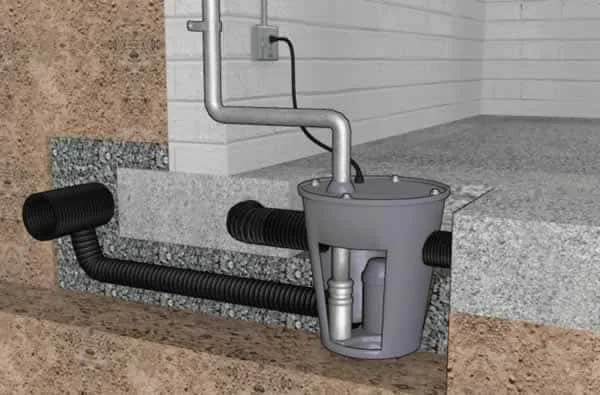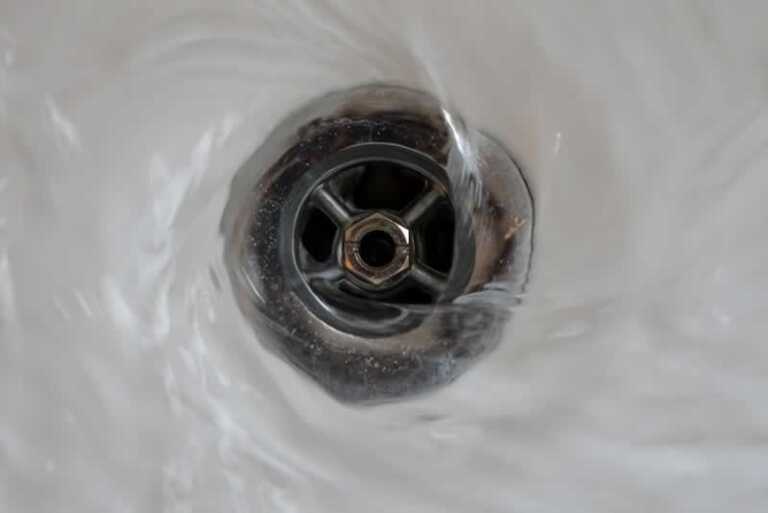

You’ll likely find a floor drain in the kitchen, laundry room, garage, basement, or bathroom. These rooms usually get excess water from cleaning activities or a natural occurrence like a storm. A floor drain helps to remove unwanted water.

These plumbing components also have filters that prevent foreign material from going down the drain and vermin from entering your residential or commercial building.
Causes, Signs, And Dangers Of A Clogged Floor Drain
Though floor drains are designed to remove water from a room, they sometimes get clogged, making it hard for them to perform their function. This can happen if you frequently flush hair, pet fur, food waste, dirt, and debris down the drain. Eventually, these materials accumulate, causing a blockage. Water moving unusually slowly down your floor drain is an early sign of blockage. Therefore, you should act quickly. Failure to do so will result in flooding or water backup. It’s also best to attend to a clogged drain fast because it can cause foul smells in your space. Water backup and flooding can also promote mold growth, cause pest infestation, and spread bacteria and other contaminants. These present a serious health risk.
Ways To Unclog A Floor Drain
As mentioned, dealing with a clogged floor drain as quickly as possible is necessary. Below are some measures you can consider if you’re experiencing this plumbing issue:
- Call A Professional
Your floor drain can clog if you neglect it. This means that if you don’t schedule a time to check your drains, it will result in serious problems down the road. If the clog is challenging to clear, it’s best not to use forceful measures because they can damage your drain pipes. Repairing them on your own can also be expensive and time-consuming. Therefore, it’s wise to let an expert handle the task if you’re dealing with a major floor drain clog. Call Waterworkx Plumbing or find a professional in your area immediately. But before letting anyone handle your plumbing system, ensure they’re well-trained, experienced, licensed, insured, reliable, and reputable.
- Try A Plunger
If you want to avoid spending money on paying a professional, you can use a plunger to clear your clogged floor drain. Apply the pressure created by the suction to move the clog along. After doing so, pour water down the floor drain. If it moves smoothly, the blockage has cleared; if it doesn’t, thrust your plunger against the drain again until you succeed.
- Use A Plumber’s Snake
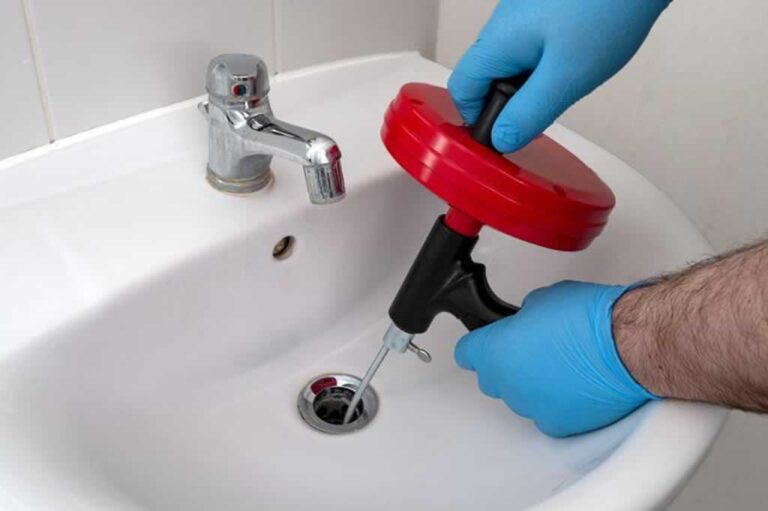
If a plunger doesn’t do a good job, a plumber’s snake or auger could help. This is a tool used by many plumbers to deal with several types of clogs. It’s available in small and large sizes, with the former being ideal for sinks. A larger plumber snake will work best if you’re unclogging a floor drain.

There are manual and electric versions of this tool. If you have a manual plumber’s snake, you can adhere to the usage instructions provided below:
- Insert the end into your floor drain and twist it as you go.
- If you feel some resistance, the tool has reached the clog’s source. Hook it onto the blockage and push it to break the clog.
- As you remove the auger, rotate it slowly.
- After that, pour some water down the floor drain. If it flows smoothly, your drain is clear.
- However, if you suspect the drain is still blocked, wipe your tool with a rag and repeat the steps above.
If you have an electronic plumber’s snake:
- Feed the cable into the drain and engage it.
- Let the tool lower further into the drain.
- If you feel resistance, you’ve reached the blockage. If it breaks through the clog, pull the tool out. It’ll come out with gunk, so wipe it with a cloth.
- If the tool doesn’t dislodge the blockage, clean it and try to feed it back into your drain until you’re successful.
If nothing happens, call a professional. Besides helping you handle the blockage, they can provide tips to maintain clean drains around your building.
- Try Vinegar, Baking Soda, And Hot Water
Another alternative is using vinegar, baking soda, and hot water. Consider the following steps:
- Remove the drain cover and pour one cup of vinegar and one of baking soda, followed by three cups of boiling water. You’ll hear a bubbling sound caused by the vinegar and baking soda reacting.
- Let the mixture fizz for 10-15 minutes.
- Pour more hot water down the drain. If it moves smoothly, the clog has cleared.
Some people prefer mixing vinegar and baking soda, pouring the mixture down the drain, and waiting a few minutes. After that, they’ll pour hot water. There are several ways to go about this. Try one technique and see how it works. If you’re unsuccessful, consider another approach, but if you need help, call a professional plumber.
Final Thoughts
A clogged floor drain can be smelly, making your space uncomfortable. It can also cause mold growth, promote the spread of bacteria, and attract pests. Therefore, you must deal with this plumbing issue as soon as possible.
In this article, you’ve learned four approaches you could consider. As advised, you can use a plunger, a plumber’s snake, vinegar, baking soda, and hot water for cleaning clogged drain. If these don’t work or if you have a tight schedule, have a professional handle the clog. To avoid this problem from occurring again, avoid washing hair, pet fur, food waste, dirt, and debris down your floor drains. Also, train other family members or employees to do the same.