A gas furnace is a crucial component of many homes, providing consistent and efficient heating during colder months. Understanding how to maintain your gas heat furnace and recognizing signs of potential furnace problems can help ensure its longevity and safe operation. Here’s what every homeowner should know about their gas HVAC systems.
Important Maintenance Tasks
Regular maintenance is key to keeping your gas HVAC furnace running efficiently. Here are some essential tasks:
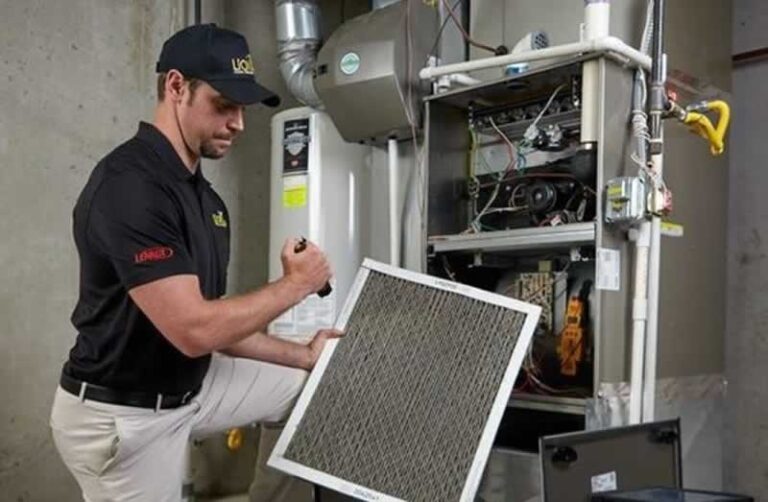
- Inspect and Replace the Air Filter: A dirty filter restricts airflow, forcing your furnace to work harder. Check your air filter monthly and replace it every 1-3 months as needed.
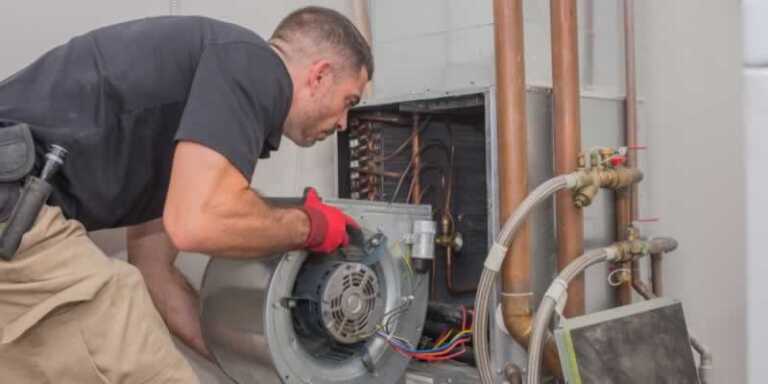
- Clean the Blower Motor: Dust and debris can accumulate in the blower motor over time. Regular cleaning ensures efficient operation.
- Check the Flue Pipe: Inspect the flue pipe for signs of rust, corrosion, or blockages to ensure proper venting of harmful gases.
- Schedule Annual Tune-Ups: Professional HVAC technicians can perform a thorough inspection, cleaning, and adjustment of your furnace to prevent issues.
- Inspect the Emergency Shut Off Switch: Familiarize yourself with the location of the emergency shut off switch furnace. This switch is essential for safety in case of an emergency.

Signs of a Furnace Breakdown
Being able to identify signs of trouble can prevent costly repairs or dangerous situations. Watch for these warning signs:
- Unusual Noises: Banging, rattling, or squealing sounds could indicate loose or damaged components.
- Inconsistent Heating: Uneven heating throughout your home may point to a problem with the blower or ductwork.
- Higher Energy Bills: A sudden spike in your energy costs could mean your gas HVAC systems are working inefficiently.
- Yellow Pilot Light: A healthy gas flame should be blue. A yellow flame may indicate a ventilation issue or the presence of carbon monoxide.
Buttons and Controls: What You Can and Can’t Touch
Understanding your furnace’s controls can prevent accidental damage:
- Emergency Shut Off Switch Furnace: This switch should only be used in emergencies. It’s typically a red switch located near your furnace.
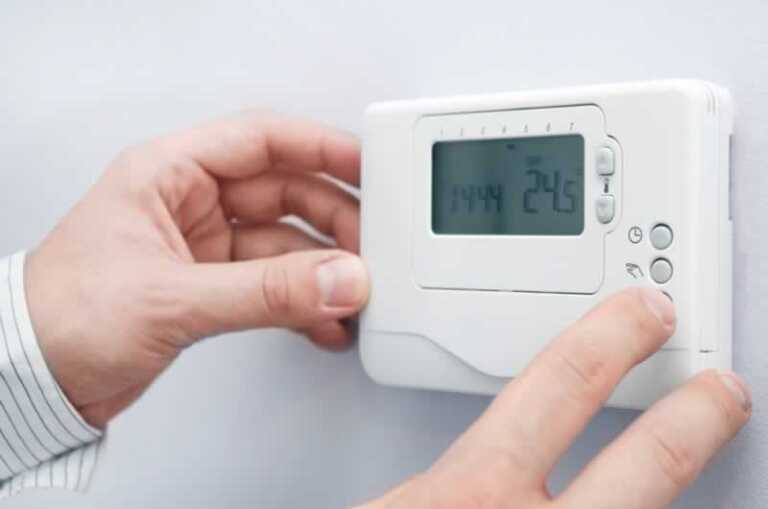
- Thermostat Controls: Adjusting your thermostat is safe and necessary for temperature regulation.
- Reset Button: Use this only as instructed in your owner’s manual. Frequent resetting could signal a larger issue.
- Gas Valve: If you’re wondering how to check the gas valve for gas furnaces, ensure it’s in the “on” position. If you suspect a gas leak, do not attempt to adjust it yourself—call a professional immediately.

FAQs
- How do I check the gas valve for gas furnaces?
Locate the gas valve near your furnace and ensure it is in the “on” position, aligned with the gas line. If you smell gas or suspect a leak, leave your home immediately and call your gas provider or emergency services.
- Are gas furnaces safe?
Yes, gas furnaces are safe when maintained properly. Regular inspections, installing carbon monoxide detectors, and addressing issues promptly ensure safety.
Conclusion
Your gas heat furnace is an investment in comfort and safety. Regular maintenance, understanding how to operate controls like the emergency shut off switch furnace, and knowing the signs of trouble can help you get the most out of your gas HVAC systems. When in doubt, always consult a professional to ensure your furnace operates safely and efficiently.