

Entering into your hay harvesting season? Now’s the time to buy some baler twine. With various options available, it’s helpful to know which one is the best pick for your crop. Baler twine is useful for binding hay or straw into a more compact, easily stacked form for storage. It could very well turn out to be the best farm hand for you this year!

So, read on to find out all there is to know.
Types of Baler Twine
Baler twine is typically used for binding together bales of small square, large square and large round bales of hay or straw. How do these three types of baler twine differ?
Small Square Baler Twine
Small square baler twine is ideal for small square bales of hay and straw in all sizes & weights. It’s comprised of UV-stabilised polypropylene or sisal twines.
Big Square Baler Twine
Big square baler twine is constructed from heavy-duty stabilised polypropylene. This is useful in the harsh Australian weather conditions. It’s perfect for all your big bales of hay and straw, plus you can use it in all balers & any crop.
Round Baler Twine
Traditional round baler twine is also made from heavy-duty stabilised polypropylene and sisal twines. It’s suitable for all round bale and crop types.
What’s the Difference Between Polypropylene and Sisal Baler Twine?
The two main properties found in baler twine are polypropylene and sisal. What’s the difference between them?
Polypropylene Baler Twine
Polypropylene baler twine contains 100% polypropylene. It’s therefore cheaper and lighter but powerful. It’s a stronger material than sisal baler twine, and its low density enables it to float. The bonus? It’s simple to knot.
A danger of polypropylene baler twine and netting is it’s often not properly removed from a hay or straw bale & can be found in animal feed. The result? Farm animals’ digestive tracts can be blocked and microplastics can enter the food chain. Another consequence is plastic twine and netting polluting the surrounding environment. Polypropylene takes 50 years to decompose, but it can be recycled.

Sisal Baler Twine
Sisal baler twine is comprised of cellulose, hemicellulose, lignin and waxes. Sisal fibres come from the Agave plant and are excellent sound & impact absorbers. Fibres can be twisted into herringbone, plaid or twill forms. Their natural anti-static properties resist absorbing moisture or trapping dust. In its original form sisal fibre is a neutral colour which can be dyed into various shades. The advantage? It’s easily distinguishable, plus its biodegradable nature makes it environmentally-friendly.
What Are the Other Uses of Baler Twine?
Due to its strength and durability, baler twine can also be used as rope or rope-like applications. If you have some old baler twine you’d like to put to good use on your farm, don’t throw it away. Here are eight ideas to try:
- Build a trellis: Got beans or other climbing vegetable plants? Build a trellis using your baler twine.
- Craft a lead rope: Short on cash? Simply make a lead rope with a clip and braided baler twine. As an alternative, tie a fast release knot so the baler twine functions as an emergency lead or tie for your farm animals.
- Create a hay net: Instead of chucking out the baler twine that was part of your hay bale, use it to create a hay net and you won’t need to go out & buy one.
- Make an emergency halter: It’s easy to craft a baler twine halter for your cows, goats, horses and sheep. A note of caution: baler twine could be too rough for your horse’s skin, but it’s a handy temporary solution if you need to quickly construct an emergency halter.
- Measure it: You may not always have a measuring tape in your back pocket. A piece of twine is the perfect measurement taker if you quickly need to note down your animal’s dimensions for future reference and comparison.
- Repair a fence: Need to fix your fence, and fast? Baler twine is a fantastic material to patch up electric, wire or wood gaps. It also momentarily secures damaged boards and keeps your animals safe & sound in their pastures.
- Tie it up: Whether you need more hanging space, or are looking for a spot to secure an item or tie it up, baler twine is your answer. Simply loop it into a hook to hang up your farm tools, poultry feeders or hay nets. It also steadily secures tarps over your farm equipment.
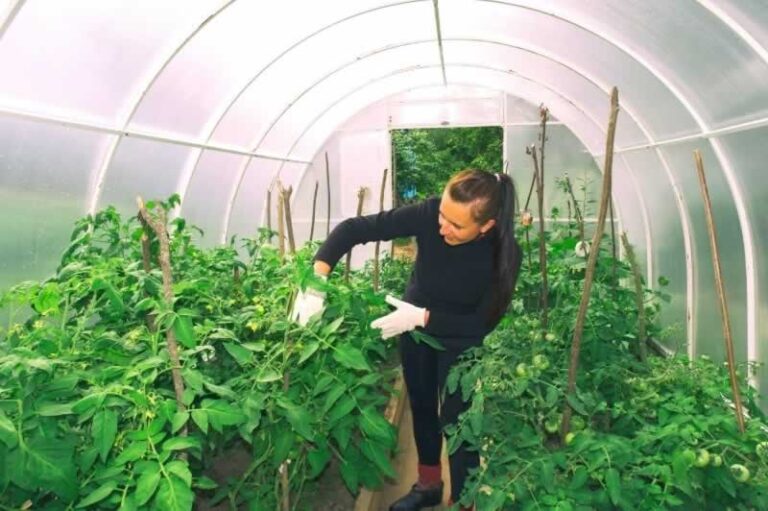
- Use it in your tomato patch: Baler twine can function well as tomato twine if you have a small vegetable garden.
If used correctly, baler twine offers numerous advantages for your farm, crops and animals. Ensure it doesn’t go to waste, and, always recycle your baler twine if at all possible. It’s definitely time for you to buy some baler twine!


I want Sisal boiler twine