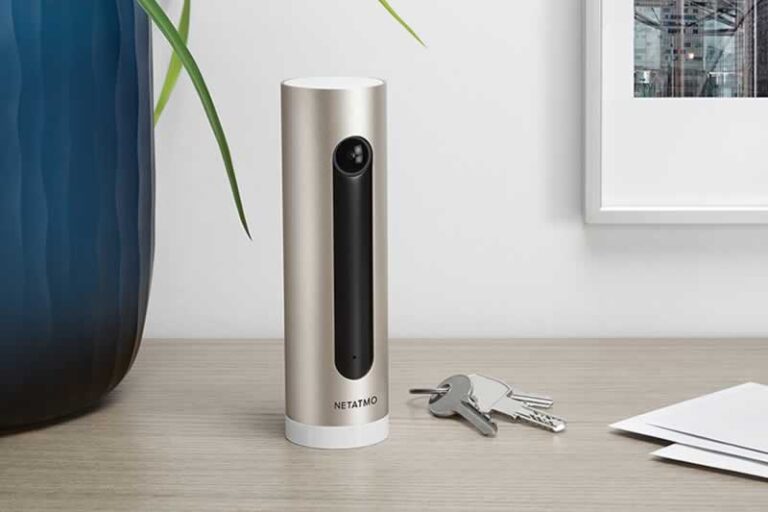

If you’re planning on getting a smart thermostat for your home, you may be dreading the expense of the installation. However, there’s really no need for that. You can forego hiring a technician and just install the smart thermostat on your own. It may seem daunting, but it’s actually one of several electrical upgrades you can do yourself. An average homeowner can get the installation done in a couple of minutes. All you need is some basic knowledge of how electrical wirings work and some instructions to guide you.

With that said, this article brings you a step-by-step guide to successfully installing a smart thermostat in your home.
1. Check The Compatibility
Ideally, you should check the compatibility of your HVAC system before you even purchase a smart thermostat. Keep in mind that there are certain HVAC systems, especially the outdated ones, that are not compatible with electric heat thermostats. To save yourself from stress, you should check beforehand if the existing electrical wiring system in your house and the type of HVAC system you have are compatible with smart thermostats.
2. Turn Off The HVAC System
When you’re ready to begin the installation, turn off your HVAC system. To do this, you need to find its circuit breaker and flip it off, thus shutting off the power to your thermostat, as well as your HVAC system. This is a critical step, as it ensures that you don’t short-circuit your system as you work on the thermostat’s wires.
3. Remove The Old Thermostat’s Faceplate
Once your HVAC system has been turned off, you can remove the faceplate of your old thermostat. It’s an essential step whether you’re dealing with conventional wiring or exploring smart thermostats for homes with a C-wire. Most faceplates can simply be pulled off, but you should check to see if it has a small screw or fastener on it, which you’ll need to loosen up before pulling off the faceplate. Once you’ve removed the faceplate, you should see a series of wires connected to the thermostat. As a precaution, be sure to take a photo of the wiring system so you have a reference for which wires connect to which terminals on the thermostat.
4. Remove The Backplate
The next thing to do is to remove the backplate. First, you need to carefully remove the wires from it. Depending on the model of your old thermostat, you might need to loosen some screws or press small tabs to release the wires. Afterward, pop off the backplate from the wall. For that, you just need to loosen up the screws that hold it in place.

5. Install Your Smart Thermostat
Next, install your new smart thermostat. This often comes with a mount, so you can easily install it on the same level as the previous thermostat. The mount helps you see if it’s been placed on the precise spot on the wall before you tighten its screws. In addition, the mounts that come packaged with smart thermostats are often already labeled, making it easier for you to connect and route the wires.
6. Reconnect The Wires
If you followed the earlier tip of taking a photo after removing the faceplate, reconnecting the wires should be easier. Make sure that you connect the right wires to their respective terminals and ensure that the wires are pushed down firmly so that their connection to the terminals is secure.
7. Install The Smart Thermostat’s Faceplate
Once you’ve finished reconnecting all the wires, install the smart thermostat’s faceplate by snapping it onto the mount. The device’s manual may have additional instructions, so you should check to see if you need to screw the faceplate onto the mount or make additional adjustments.
8. Turn The Smart Thermostat On And Calibrate It Using Your Smartphone
Your newly installed smart thermostat should light up immediately after you switch its power on. If it doesn’t start up, you will have to remove the faceplate once more, as it could be an indicator that the wires are not connected properly. Once your smart thermostat has been switched on, you should then have it connect to your Wi-Fi network so you can calibrate it and control it with your smartphone. You should be able to control your smart thermostat through your phone as long as there’s Wi-Fi connection.
Final Thoughts
Once it’s installed, you can enjoy the many benefits a smart thermostat has to offer. You may have gotten this eco-friendly device for the features it’s known for—namely, helping you decrease your energy usage and thus your energy bill. Now, with the guide given above, you can save costs on the installation as well.