
A well-functioning drainage system is a crucial element in residential, commercial, and industrial environments. At the heart of these systems are channel bodies and grates, which work together to manage surface water effectively, prevent pooling, and enhance safety. These components not only protect infrastructure but also ensure smooth water flow and environmental compliance.
Types of Channel Bodies
- Linear Channel Bodies
Linear channel bodies are the most common type, designed for straightforward water flow across long surfaces. They are ideal for walkways, driveways, and public spaces where consistent drainage is critical. - Offset Outlet Channel Bodies
Offset outlet bodies are designed for spaces where centralized water collection is necessary but require an outlet point slightly away from the channel. This design allows flexibility in underground piping configurations. - Center Outlet Channel Bodies
For scenarios where water collection needs to feed directly into a central drainpipe, center outlet channel bodies are the optimal choice. They are common in industrial and commercial spaces requiring efficient, direct water removal.

Materials Used in Channel Bodies and Grates
- Stainless Steel
Stainless steel is prized for its strength, resistance to corrosion, and modern aesthetic appeal. It is a preferred material for areas exposed to harsh weather or corrosive substances. - PVC
Lightweight and cost-effective, PVC channel bodies are ideal for residential applications. They are easy to install and maintain, offering durability in low-impact environments. - Cast Iron
Cast iron excels in heavy-duty settings where high load-bearing capacity is required. Its robustness makes it suitable for industrial facilities and high-traffic areas. - Comparison of Materials
Choosing the right material depends on your specific needs, including durability, environmental exposure, and aesthetic preferences. Each material offers unique advantages, ensuring there’s an option for every setting.
Design Considerations
- Load Class Ratings
Channel bodies and grates are categorized by load class ratings to determine their suitability for various applications. Ensure the selected components meet the weight and impact demands of your setting. - Grate Patterns and Aesthetics
Grates come in various patterns, from simple slotted designs to decorative options. The right pattern balances functionality with style, complementing the surrounding environment. - Slip Resistance Features
Safety is paramount in drainage systems. Opt for grates with slip-resistant surfaces, especially in areas prone to foot traffic or wet conditions.
Applications of Channel Body and Grates
- Residential Settings
Used in driveways, patios, and gardens, channel bodies and grates protect properties from water damage and enhance outdoor usability. - Commercial Buildings
In parking lots, entryways, and plazas, these systems manage high volumes of water, ensuring safety and convenience for visitors. - Industrial Facilities
Heavy-duty systems are critical in industrial settings to handle large amounts of runoff and resist wear from machinery and chemicals. - Public Infrastructure
From roads to pedestrian pathways, channel bodies and grates play a pivotal role in urban water management, preventing flooding and maintaining public safety.
Installation Process
- Pre-Installation Planning
Assess the site’s drainage requirements, slope, and load conditions to choose the right system. Proper planning ensures long-term efficiency. - Step-by-Step Installation Guide
- Excavate the area and create a proper slope for water flow.
- Lay the channel body securely, ensuring it aligns with the drainage outlet.
- Install the grates and secure them firmly.
- Test the system by running water through it to confirm proper functionality.
- Common Pitfalls and How to Avoid Them
Avoid misalignment or insufficient slope during installation, as these can lead to pooling or ineffective drainage.

Maintenance and Care
- Routine Cleaning Procedures
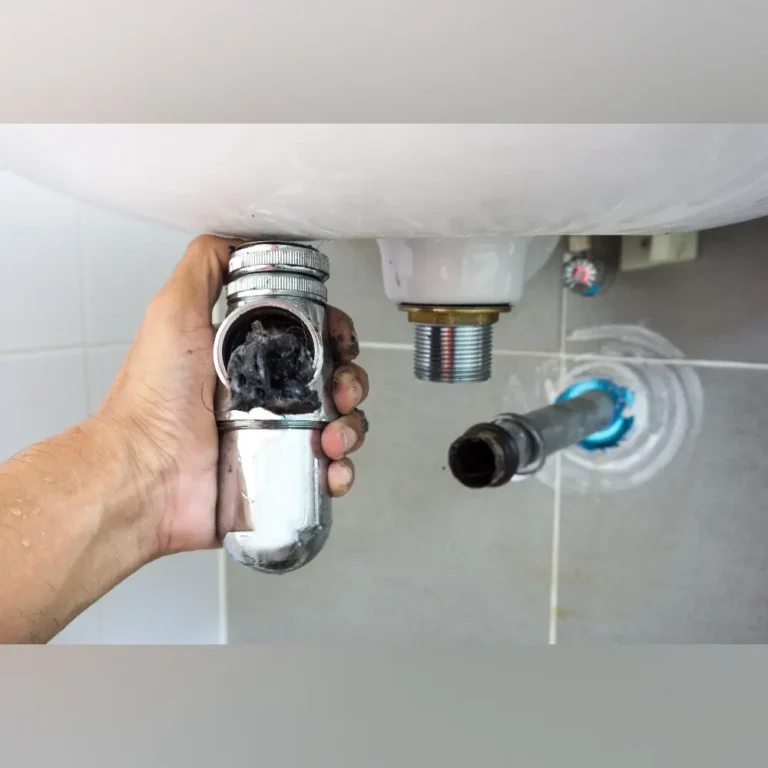
Regularly remove debris, leaves, and dirt to prevent blockages. Clean grates with water and mild detergents to maintain functionality and appearance. - Identifying and Addressing Blockages
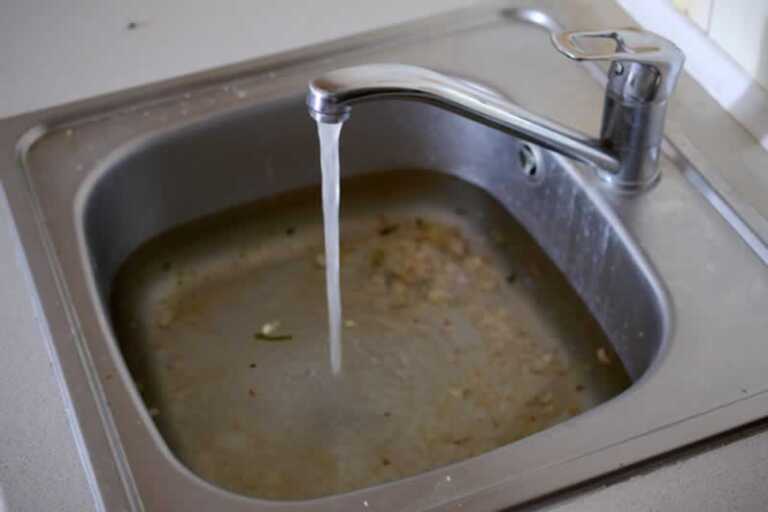
Inspect for water backups and clear blockages promptly using appropriate tools, such as drain snakes or pressure washers. - Long-Term Maintenance Tips
Schedule periodic inspections to identify wear and tear, ensuring timely replacements or repairs to extend the system’s lifespan.
Benefits of Proper Channel Drainage Systems
- Prevention of Water Pooling
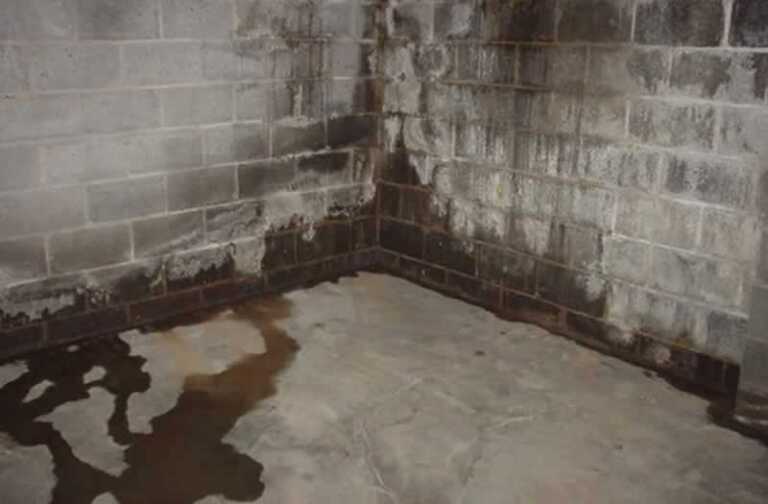
Effective drainage systems prevent stagnant water, reducing hazards and minimizing property damage. - Enhanced Safety
Slip-resistant grates and efficient water management protect individuals from accidents in wet conditions. - Prolonged Structural Integrity
By diverting water away from foundations, channel drainage systems preserve the durability of structures over time.
Innovations in Channel Drainage Technology
- Smart Drainage Solutions
Modern systems incorporate IoT-enabled sensors to monitor water flow and detect blockages, offering real-time insights. - Sustainable Materials and Designs
Eco-friendly materials and designs minimize environmental impact, aligning with green building initiatives. - Future Trends in Drainage Systems
Advancements focus on modular designs, enhanced durability, and seamless integration into architectural aesthetics.
Main Key Takeaways
Channel bodies and grates are essential components of effective drainage systems, ensuring safety, functionality, and environmental compliance. By selecting the right materials, designs, and installation practices, you can achieve long-lasting performance tailored to your needs.
Frequently Asked Questions (FAQs)
- What factors should I consider when choosing a channel body and grate?
Consider the application, load requirements, material durability, and aesthetic preferences. - How often should drainage grates be cleaned?
Routine cleaning every few months is recommended, but frequency may increase in high-debris or high-traffic areas. - Can I install a channel drainage system myself, or should I hire a professional?
While simple residential systems can be DIY-friendly, complex or large-scale installations often require professional expertise.