

When it comes to eco-friendly living, what better way to commit to this healthy lifestyle than by making important changes at home? When it comes to sustainable living, having a green home is a great way to help you save the planet one step at a time. Here are a few DIY home improvement projects that you can embark on today to help get you started.
Check Your Insulation Levels
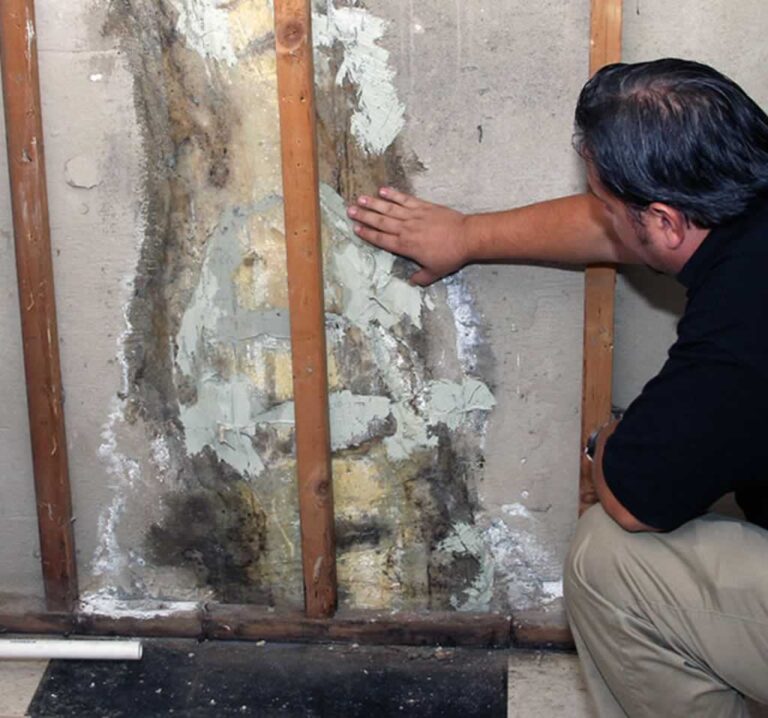
Did you know that heating and cooling costs typically account for 50-70% of a home’s utility bill? You can substantially reduce these costs by ensuring your home has adequate insulation levels. Insulation is located in not only in attic spaces, but walls, ceilings and floors as well. Proper insulation will help to regulate your indoor temperatures, so that cool or warm air can stay in or out depending upon the season.
Energy Efficient Lighting
Another easy way to green is to choose the right energy saving light bulbs for your home. Traditional incandescent bulbs are incredibly inefficient and lose most of their energy as heat instead of light. You can save more energy at home by upgrading to either compact fluorescent (CFL) or LED lighting, both of which are efficient ways to illuminate your home.
Sealing Air Leaks
Also consider sealing air leaks as a great DIY project to make your home greener. Escaping air is notorious for adding more pressure on your heating and cooling system which can also make your monthly energy bill much higher. Make a project out of sealing old windows, doorways and flooring to prevent precious air from escaping. Visit your local hardware store to pick up an all purpose sealant or caulk to get you started.

Conserve Water
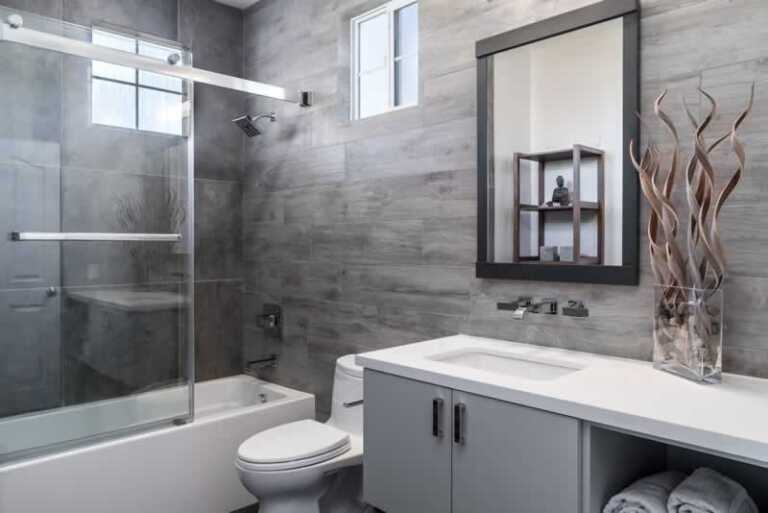
Going green at home also includes thinking of your water consumption in different ways. This is because the typical household uses about 300 gallons of water per day, even though most of this is simply washed down the drain. Prevent this by saving water both indoors and outdoors. A few helpful tips include taking timed showers, turning off the faucet while brushing your teeth, and only running full loads of laundry or full loads of dishes in the dishwasher. Also save water in the yard by replacing your water hose use with a simple bucket method. For instance, the average garden hose releases about 17 gallons of water per minute! Compare this to a simple 5-gallon bucket for use while washing your car and you’ve significantly contributed to conserving one of Earth’s most precious resources in an instant.
Energy Star Appliances
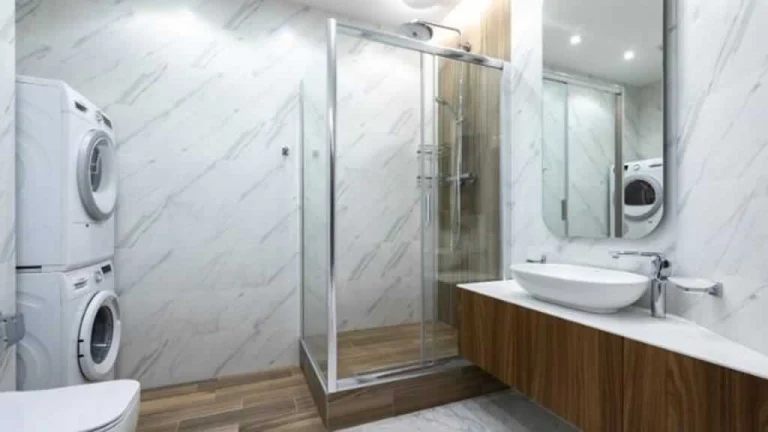
If your budget permits, upgrade your appliances to Energy Star. The Environmental Protection Agency’s (EPA) Star Program certifies products that meet standards of energy efficiency. This means that such products are built to conserve energy while leaving minimal impact on the planet. From refrigerators, to stoves, to dishwashers, laundry machines, dryers and even computers—there are many options available to help your home become a little more green today by way of the right appliances.
When it comes to eco-friendly living, even a few simple steps at home can make a big impact on the planet. So, if you are considering a DIY home improvement project to make your place more green, try any of these helpful tips today.