
For most pool owners, draining a swimming pool is not a routine task—and it shouldn’t be. Contrary to popular belief, your pool doesn’t need to be emptied every year. In fact, completely draining your pool can cause severe damage, especially in in-ground models, where groundwater hydrostatic pressure can lift or crack the shell. So, when should you drain your swimming pool? The answer depends on water quality, liner condition, and long-term maintenance goals. Here’s what every pool owner needs to know.
High Cyanuric Acid (Stabilizer) Levels
One of the most common reasons to drain your pool is excessive cyanuric acid (CYA), also known as pool stabilizer. This chemical protects chlorine from breaking down in sunlight, but over time, it accumulates and can’t be removed through normal filtration. When CYA levels exceed 80–100 ppm, chlorine becomes ineffective, leading to persistent algae growth and cloudy water.
If test results show high CYA, the best solution is a partial drain and refill. Draining 25–50% of the water and replacing it with fresh water can restore balance. Regular backwashing and proper chemical dosing help prevent this issue in the future.

Persistent Water Quality Problems
If your pool water remains cloudy, foamy, or discolored despite repeated treatments, it may be time to consider a full or partial drain. Contaminants like phosphates, metals (iron, copper), and total dissolved solids (TDS) build up over time and can’t be completely filtered out. High TDS—typically above 1,500 ppm—makes water feel harsh, reduces sanitizer efficiency, and can corrode equipment. Draining and refilling resets the water chemistry, giving you a clean slate. After refilling, rebalance pH, alkalinity, calcium, and chlorine to prevent future issues.
Liner Replacement or Major Repairs
For in-ground vinyl liner pools or above-ground models, draining is necessary when replacing the liner. This is also the ideal time to inspect the pool structure for tears, bulges, or damage to the walls and floor. Similarly, if you’re repairing cracks in a concrete (plaster) pool or resurfacing, the pool must be fully drained. Always consult a professional before draining an in-ground pool. They may recommend pumping groundwater from around the shell to prevent shifting or floating.
Staining and Scale Buildup
Over time, mineral deposits and organic stains can cling to pool surfaces. Brown or black stains often come from metals in the water, while greenish hues may indicate algae embedded in plaster. If regular brushing and stain treatments fail, draining allows for deep cleaning and acid washing (for concrete pools). However, acid washing should only be done every 5–7 years, as it removes a thin layer of plaster. For vinyl or fiberglass pools, use non-abrasive cleaners during the drain cycle to prevent surface damage.
Winterizing in Certain Climates (Rare)
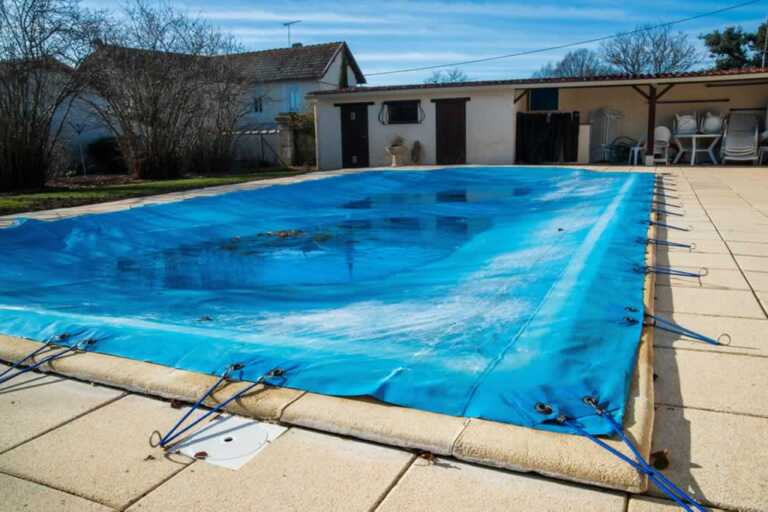
In most cases, you should not drain your pool for winter. In fact, keeping the pool water in place protects the liner from shrinking and shields the structure from ground pressure. However, in areas with extreme freeze-thaw cycles or where groundwater is unusually high, some professionals may recommend partial draining—especially for above-ground pools.
Even then, never drain completely. Lower the water just below the skimmer and use a winterizing plug or air pillow to manage ice expansion.

When Not to Drain Your Pool
Avoid draining your pool if:
- The water table in your area is high (risk of flooding)
- You live in a region with heavy rainfall or flooding
- You’re experiencing drought or water restrictions
- It’s not necessary for repairs or water quality
Instead, focus on preventive care: regular cleaning, proper chemical balance, and using an automatic pool vacuum to collect debris before it breaks down and affects water chemistry.
How Often Should You Drain?
Most experts recommend draining and refilling your pool every 3–5 years, depending on usage, water source, and maintenance habits. Pools in hot climates or those used heavily during summer may need it closer to the 3-year mark. Lightly used pools with consistent care can often go 5 years or more.
Final Tips for Draining Safely
- Hire a pro for in-ground pools to avoid structural damage.
- Check local regulations—some areas restrict pool draining due to water conservation laws.
- Time it right—schedule the drain during mild weather to avoid rain or extreme heat.
- Clean thoroughly while empty, but avoid pressure washing plaster surfaces.
- Refill efficiently—use a garden hose or schedule a water delivery for faster results.
Draining your swimming pool is a big decision—not a seasonal chore. It should only be done when necessary for water quality, repairs, or liner replacement. By understanding the right reasons and timing, you’ll protect your investment, maintain crystal-clear water, and extend your pool’s lifespan. Focus on consistent maintenance, smart chemical use, and tools like a pool vacuum to collect debris, and you’ll rarely need to face the drain valve at all.