A gas line plumber specializes in the installation, maintenance, and repair of gas lines. These professionals are trained to handle the intricate and potentially hazardous task of working with gas systems. Their expertise ensures that gas appliances and heating systems are safely and efficiently connected to the gas supply. Gas line plumbers are skilled in detecting leaks, ensuring appropriate pressure levels, and adhering to stringent safety standards to prevent accidents and ensure optimal system performance.
Gas line plumbers must be adept at reading blueprints, understanding the layout of gas systems, and making precise calculations. Their work often involves cutting, threading, and installing pipes, as well as connecting them to various appliances and systems. This requires a deep understanding of gas dynamics, as even a minor mistake can lead to serious safety hazards such as gas leaks or explosions.
In addition to their technical skills, gas line plumbers must possess a thorough knowledge of building codes and regulations. They must ensure that all installations and repairs comply with local, state, and federal standards. This compliance is critical not only for safety reasons but also to avoid legal issues that can arise from non-compliant installations. Therefore, the role of a gas line plumber is both highly technical and regulated, requiring a precise and methodical approach to their work.

The Importance of Specialized Skills in HVAC and Electrical Work
HVAC (Heating, Ventilation, and Air Conditioning) systems are complex networks that regulate indoor climate and air quality. These systems require specialized skills for installation, maintenance, and repair. HVAC technicians, like those from Binsky Home Service, are trained to handle electrical components, refrigerants, and mechanical systems. Their expertise ensures that HVAC systems operate efficiently and safely, providing comfort and air quality in residential and commercial spaces.
Electrical work, on the other hand, involves the installation, maintenance, and repair of electrical systems and wiring. Electricians are trained to handle a wide range of tasks, from installing new electrical panels to troubleshooting and repairing electrical issues. Their work is critical for ensuring that electrical systems are safe and efficient, preventing electrical fires, shocks, and other hazards.
Both HVAC and electrical work require specialized training and certification. These fields are governed by strict codes and regulations to ensure safety and efficiency. While gas line plumbers may have some overlap with HVAC and electrical work, it is important to recognize that each field requires a unique set of skills and knowledge. Attempting to perform HVAC or electrical work without the necessary expertise can lead to serious safety risks and system failures.
Common HVAC Issues and Their Solutions
HVAC systems, like any complex mechanical systems, can experience a range of issues that affect their performance and efficiency. Common HVAC problems include refrigerant leaks, clogged filters, and faulty thermostats. These issues can lead to poor air quality, uneven heating or cooling, and increased energy consumption.
Refrigerant leaks are a common issue in HVAC systems. Refrigerants are essential for cooling air in air conditioning units and heat pumps. A leak can reduce the system’s efficiency and lead to higher energy bills. HVAC technicians can diagnose and repair refrigerant leaks by locating the source of the leak, repairing the affected area, and recharging the system with the appropriate amount of refrigerant.
Clogged filters are another common problem that can affect HVAC performance. Filters are designed to trap dust, dirt, and other particles, preventing them from entering the system and affecting air quality. Over time, filters can become clogged, reducing airflow and forcing the system to work harder. Regularly replacing or cleaning filters can prevent this issue and ensure optimal system performance.
Faulty thermostats can also cause HVAC issues. A malfunctioning thermostat may not accurately regulate the temperature, leading to uneven heating or cooling. In some cases, the thermostat may need to be recalibrated or replaced. HVAC technicians can diagnose thermostat issues and recommend the appropriate solution to restore proper system function.
The Intersection of Gas Lines and HVAC Systems
The intersection of gas lines and HVAC systems is particularly evident in heating systems that use natural gas or propane as a fuel source. Gas furnaces, boilers, and water heaters rely on gas lines to supply the fuel necessary for heating. The integration of gas lines with HVAC systems requires careful planning and precise installation to ensure safety and efficiency.
Gas furnaces, for example, use a gas line to supply fuel to the burner, where it is ignited to produce heat. The heat is then transferred to the air through a heat exchanger and distributed throughout the home via ductwork. Proper installation and maintenance of the gas line are critical for the safe and efficient operation of the furnace. Any leaks or issues with the gas line can pose serious safety risks, such as carbon monoxide poisoning or explosions.
Boilers, which are used for both heating and hot water, also rely on gas lines for fuel. The gas line supplies fuel to the boiler’s burner, where it is ignited to heat water. The heated water is then circulated through radiators or underfloor heating systems to provide warmth. Like gas furnaces, boilers require precise installation and maintenance of the gas line to ensure safe and efficient operation.
Water heaters, particularly tankless models, also intersect with gas lines. These units heat water on demand using a gas burner, providing a continuous supply of hot water. Proper installation and maintenance of the gas line are essential to ensure that the water heater operates safely and efficiently. Any issues with the gas line can affect the performance of the water heater and pose safety risks.

Electrical Requirements for Gas Line Installations
Gas line installations often require electrical components to ensure proper operation and safety. For example, gas furnaces and water heaters typically have electronic ignition systems that require electrical power. These systems use a spark or hot surface igniter to ignite the gas, replacing the older pilot light systems. The integration of electrical components with gas lines requires careful planning and precise installation to ensure safety and efficiency.
In addition to ignition systems, gas appliances may also have electronic controls and safety devices that require electrical power. These controls regulate the operation of the appliance, ensuring that it operates safely and efficiently. For example, gas furnaces may have electronic thermostats, pressure switches, and limit controls that require electrical connections. Proper installation and maintenance of these electrical components are essential for the safe and efficient operation of the gas appliance.
The installation of gas lines and their associated electrical components must comply with strict codes and regulations. These codes ensure that both the gas and electrical systems are installed safely and operate efficiently. Electricians and gas line plumbers must work together to ensure that all installations meet these requirements. This collaboration ensures that all components are properly integrated and that the entire system operates safely and efficiently.
Benefits of Hiring a Multi-Skilled Technician
Hiring a multi-skilled technician who is proficient in gas line, HVAC, and electrical work can offer several benefits. One of the main advantages is the convenience of having a single point of contact for multiple services. This can save time and effort in coordinating different professionals for various tasks. A multi-skilled technician can handle a range of issues, from gas line installations to HVAC maintenance and electrical repairs, providing comprehensive service for your home or business.
Another benefit is the potential for cost savings. Hiring a single technician who can perform multiple tasks may be more cost-effective than hiring separate specialists for each job. This can reduce labor costs and minimize the need for multiple service calls. Additionally, a multi-skilled technician can identify and address issues that span across different systems, providing a more holistic approach to maintenance and repair.
A multi-skilled technician can also offer a higher level of expertise and knowledge. Their broad skill set allows them to understand the interactions between different systems and identify potential issues that may affect multiple components. This comprehensive understanding can lead to more accurate diagnoses and effective solutions, ensuring that all systems operate safely and efficiently.
Safety Standards in Gas, HVAC, and Electrical Work
Safety is paramount in gas, HVAC, and electrical work. These fields involve potentially hazardous materials and systems that require strict adherence to safety standards and regulations. Gas line plumbers, HVAC technicians, and electricians must follow industry-specific codes and guidelines to ensure the safety of their installations and repairs.
For gas line work, safety standards include proper installation techniques, leak detection, and pressure testing. Gas line plumbers must ensure that all connections are secure and that there are no leaks that could pose a risk of explosion or carbon monoxide poisoning. They must also follow regulations regarding the placement and routing of gas lines to prevent damage and ensure safe operation.
HVAC work involves safety standards related to refrigerants, electrical components, and mechanical systems. HVAC technicians must handle refrigerants with care to prevent leaks and ensure environmental safety. They must also follow electrical codes to ensure that all connections are safe and that the system operates efficiently. Proper maintenance and cleaning of HVAC systems are also important for preventing issues such as mold growth and poor air quality.
Electrical work requires adherence to strict codes and regulations to prevent electrical fires, shocks, and other hazards. Electricians must ensure that all wiring and connections are properly installed and that the electrical system can handle the required load. They must also follow safety guidelines for working with live wires and electrical components, using appropriate protective equipment and techniques.
How to Choose the Right Professional for Your Needs
Choosing the right professional for your gas, HVAC, and electrical needs is crucial for ensuring safe and efficient installations and repairs. One of the first steps in selecting a professional is to verify their credentials and certifications. Ensure that they are licensed and certified in their respective fields, as this demonstrates their expertise and adherence to industry standards.
Experience is another important factor to consider. Look for professionals with a proven track record of handling similar projects. Experienced technicians are more likely to have encountered a wide range of issues and developed effective solutions. They are also more likely to be familiar with the latest technologies and techniques in their field.
References and reviews can provide valuable insights into a professional’s reliability and quality of work. Seek recommendations from friends, family, or online reviews to gauge the satisfaction of previous clients. Positive feedback and testimonials can give you confidence in the professional’s ability to deliver high-quality service.
Additionally, consider the scope of services offered by the professional. If you require multiple services, such as gas line installation, HVAC maintenance, and electrical repairs, look for a multi-skilled technician who can handle all these tasks. This can save time and effort in coordinating different professionals and ensure a more integrated approach to your home or business maintenance.
Frequently Asked Questions About Gas Line, HVAC, and Electrical Services
Q: Can a gas line plumber handle HVAC and electrical tasks?
A: While some gas line plumbers may have additional training in HVAC and electrical work, it is important to verify their credentials and experience in these areas. HVAC and electrical work require specialized skills and certifications, so ensure that the professional you hire is qualified for the specific tasks you need.
Q: What should I do if I smell gas in my home?
A: If you smell gas, evacuate the area immediately and call your gas company or emergency services. Do not use electrical switches, appliances, or open flames, as these can ignite the gas. A gas line plumber can then inspect and repair any leaks to ensure your safety.
Q: How often should I have my HVAC system serviced?
A: It is recommended to have your HVAC system serviced at least once a year, ideally before the heating or cooling season. Regular maintenance can prevent issues, improve efficiency, and extend the lifespan of your system.
Q: What are the signs of an electrical problem in my home?
A: Common signs of electrical problems include flickering lights, frequent tripped breakers, burnt smells, and outlets that are warm to the touch. If you notice any of these signs, contact a licensed electrician to inspect and repair the issue.
Q: Can I perform gas, HVAC, or electrical work myself?
A: It is not recommended to perform gas, HVAC, or electrical work yourself unless you are a trained and licensed professional. These tasks involve complex and potentially hazardous systems that require specialized knowledge and skills. Hiring a qualified professional ensures the work is done safely and correctly.
Conclusion: Ensuring Comprehensive Home Maintenance
In conclusion, while gas line plumbers play a crucial role in the installation and maintenance of gas systems, it is important to recognize the specialized skills required for HVAC and electrical work. Each field has its own set of expertise and safety standards, and attempting to perform tasks outside of one’s training can lead to serious safety risks and system failures. By understanding the distinctions between these fields and hiring qualified professionals, you can ensure the safe and efficient operation of your gas, HVAC, and electrical systems.
Hiring a multi-skilled technician can offer several benefits, including convenience, cost savings, and a comprehensive approach to maintenance and repair. However, it is essential to verify their credentials and experience to ensure they are qualified for the specific tasks you need. By doing so, you can have confidence in the quality and safety of their work.
Ultimately, ensuring comprehensive home maintenance involves careful planning, regular maintenance, and the expertise of qualified professionals. Whether you need gas line installation, HVAC maintenance, or electrical repairs, choosing the right professional is key to ensuring the safety and efficiency of your home or business systems. By taking these steps, you can enjoy peace of mind knowing that your systems are in capable hands.



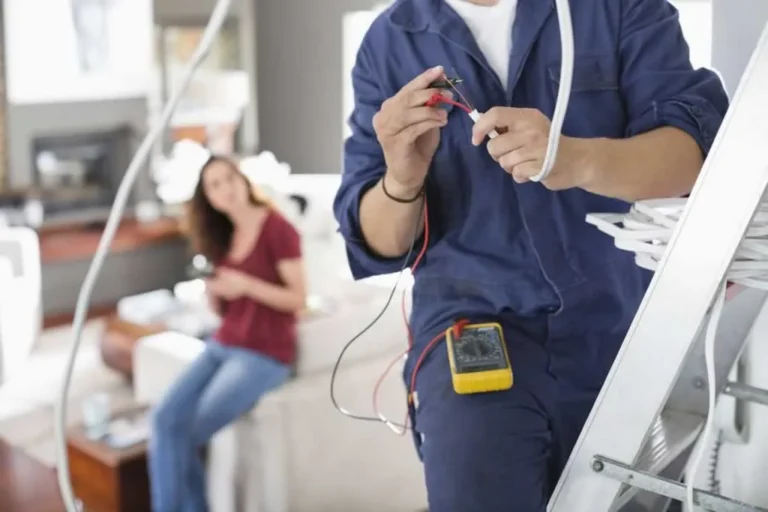
It’s interesting to learn that gas line plumbers are specifically trained for the complexities of gas systems. This really emphasizes the importance of hiring specialized professionals for safety and efficiency, especially when dealing with potentially hazardous tasks.
It’s interesting to learn about the specific focus of gas line plumbers and their specialized training for handling gas systems safely. The distinction between their expertise and that of HVAC or electrical professionals is an important factor to consider when needing home repairs. Understanding these roles can definitely help in making informed decisions for our homes.