
Choosing furniture for your home isn’t just about filling empty spaces, it’s about creating an environment that truly reflects who you are. The pieces you bring into your living areas set the entire mood, influence how you feel when you walk through the door, and determine whether your space feels like a functional house or a welcoming home. With so many design directions available today, from timeless classics to fresh contemporary looks, understanding what’s out there helps you make choices you’ll love for years to come. Maybe you’re setting up your first place, breathing new life into rooms that have grown stale, or simply exploring what might work better for how you actually live. Whatever brings you here, diving into different furniture styles can spark ideas you hadn’t considered and help you shape spaces that feel genuinely yours. Let’s explore six distinctive furniture approaches that could transform the way you experience your home.
Modern Minimalist Style
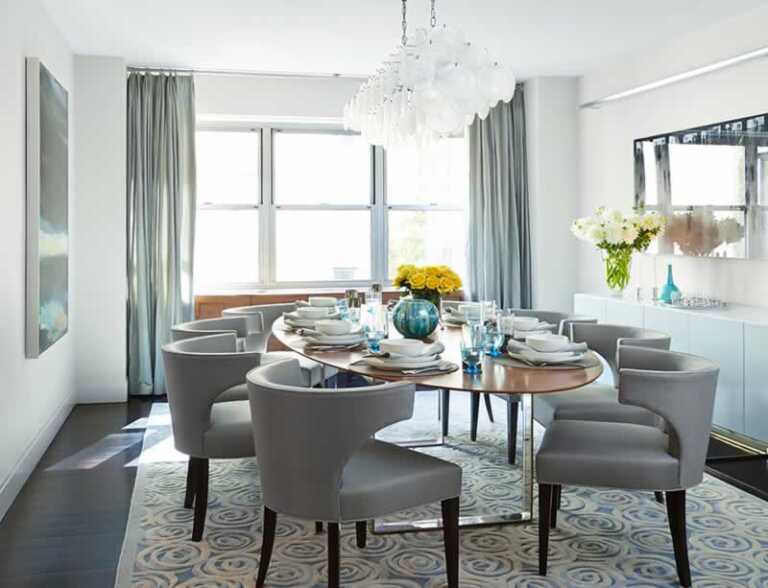
There’s something deeply satisfying about modern minimalist furniture, it proves that you really can achieve more with less. This approach strips away the unnecessary, focusing instead on clean lines, purposeful design, and spaces that let you breathe. You’ll notice sleek silhouettes, neutral color schemes, and an intentional emphasis on choosing fewer, better pieces rather than filling every corner. The furniture itself tends to showcase simple geometric forms with smooth surfaces, skipping ornate details in favor of understated elegance.

Traditional Classic Style
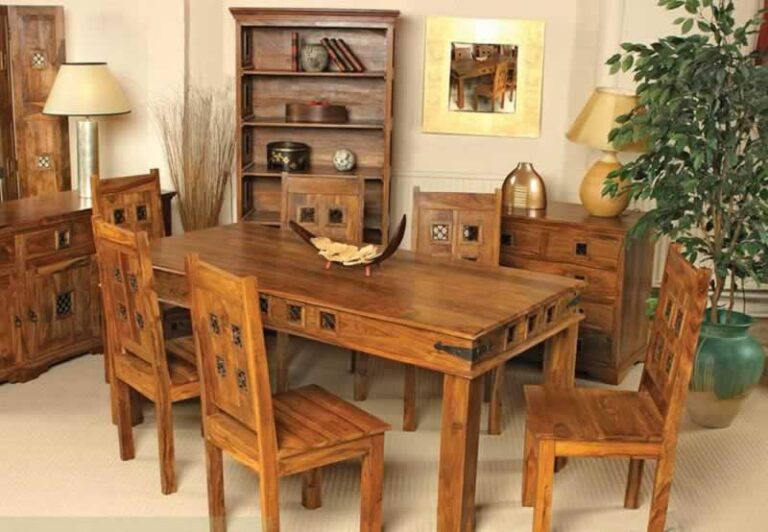
Traditional furniture carries the weight of history in the best possible way, drawing from European design heritage that spans centuries. This style brings elegance and timeless sophistication through rich wood finishes, think cherry, mahogany, and walnut, often enhanced with intricate carvings and turned legs that showcase genuine craftsmanship. You’ll recognize traditional pieces by their symmetrical designs, graceful curves, and decorative flourishes that include ornate moldings and classic patterns like damask or floral prints. Upholstered furniture in this category often features luxurious fabrics such as velvet, silk, and brocade, typically in deep, inviting colors like burgundy, forest green, or navy blue.
Mid-Century Modern Style
Mid-century modern furniture emerged between the 1940s and 1960s, and it’s fascinating how this decades-old style remains one of today’s most sought-after aesthetics. This design movement celebrated organic shapes and clean lines while insisting that furniture should work beautifully without sacrificing practicality. Look for characteristic tapered legs, low-profile pieces, and innovative use of materials like molded plywood, fiberglass, and even early plastics. The color story often pairs warm woods, particularly teak and walnut, with bold accent colors like mustard yellow, avocado green, and burnt orange that add personality without overwhelming.
Rustic Farmhouse Style
Rustic farmhouse furniture taps into something many of us crave, that connection to simpler times and the unpretentious charm of country living. This style celebrates natural materials and distressed finishes that tell stories through visible grain patterns and knots in the wood. You’ll find solid wood construction built to last, often incorporating reclaimed elements with weathered finishes that prioritize durability alongside character. The color palette stays light and welcoming with whites, creams, soft grays, and natural wood tones creating that airy atmosphere farmhouse style is known for. What makes this approach interesting is how it blends vintage or antique-inspired pieces with modern comforts, achieving an eclectic look that still feels pulled together. This works beautifully in cspaces where you want that relaxed, lived-in quality that practically invites people to gather and linger. When putting together rooms with this aesthetic, many homeowners explore retailers that offer home furnishings to discover pieces that strike that perfect balance between rustic authenticity and contemporary livability. The farmhouse vibe pairs naturally with shiplap walls, exposed beams, and open shelving, creating environments that manage to feel both nostalgic and surprisingly fresh. For anyone seeking warmth, genuine character, and that connection to tradition, farmhouse furniture offers an incredibly inviting direction.

Industrial Contemporary Style
Industrial furniture draws its inspiration from converted warehouses and urban loft spaces, celebrating materials and construction methods that other styles typically hide. This aesthetic puts exposed metal frames, reclaimed wood surfaces, and visible hardware on full display, turning utilitarian elements into design features. Common materials include steel, iron, concrete, and weathered wood that create a look that’s simultaneously rugged and refined. The color scheme tends toward neutrals, grays, blacks, browns, and metallic accents, that establish a cohesive foundation.
Coastal Relaxed Style
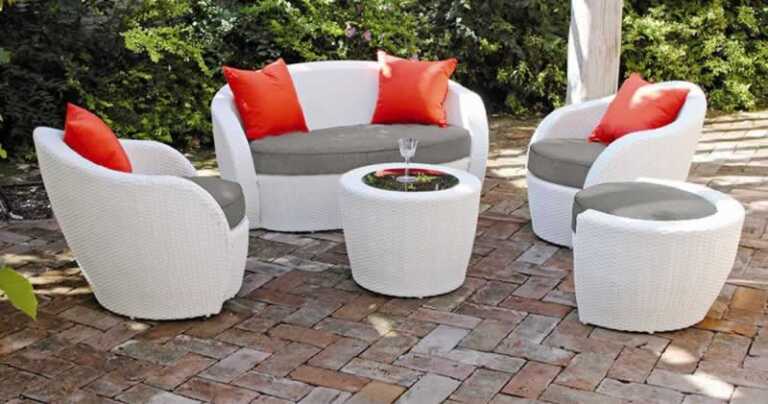
Coastal furniture captures that breezy, carefree feeling of seaside living and brings it right into your everyday life. This approach features light, airy pieces in whites, soft blues, sandy beiges, and seafoam greens that immediately evoke ocean views and beach days. Natural materials like rattan, wicker, linen, and light-colored woods add texture while maintaining that casual, comfortable vibe coastal style delivers. The furniture emphasizes livability with slipcovered sofas that forgive spills, weathered wood tables that welcome use, and pieces that don’t stress about sandy feet or wet swimsuits.
Conclusion
Finding the right furniture style for your home comes down to understanding what resonates with you, how you actually live, and what your space naturally supports. These six furniture styles each bring something different to the table, from modern minimalist sophistication to the relaxed comfort of coastal design. What’s wonderful about today’s approach to interior design is the freedom to mix elements from different styles, creating something personalized that couldn’t belong to anyone else. As you think through these options, pay attention to how each style makes you feel, whether it supports your daily routines, and if it’s something you’ll still appreciate years down the road.