
Have you lately noticed an exponential upsurge in your water bill? In this article, we have listed a few ways to detect the problem, and if it’s a minor leak, then perhaps solve it yourself, dodging an avoidable expense. In this situation, the first thing to do is to fetch the bills you have paid over the last couple of months and analyze them. If the spike is odd, then the first logical thing to do is investigate the average water consumption of the residents in your area, and accordingly, compare your bill to theirs. But while following this step, you need to keep one thing in mind: The average bill might fluctuate conditional to the season.

Another technique to check the chance of a potential leak inside your residence is using your water meter. When you see your water meter, you have to identify the low flow indicator, a small triangle that must be whirling in a circular motion. The next thing to do is switch off all the water running appliances in your house for almost two hours. Post two hours, check your water meter, and if you find that the indicator is still spinning means, there is leakage inside your house. This is a neat little trick that we saw by Perth Plumber Plumbdog on one of their video shares. If there is an obvious leak, you don’t even need to wait 2 hours.
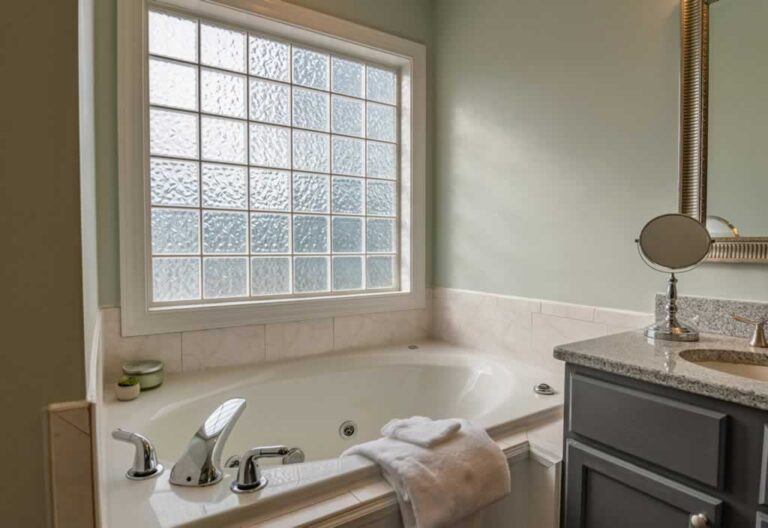
The most probable crime scene in the case of the water leak is – The Bathroom. Go inside your bathroom and one by one stand in front of the individual tap. If over a few minutes you see water dripping out, that means there’s a minor leak. In this situation, you can fix the faucet yourself by replacing the rubber/tap washer. But if the water still leaks, then you will have to call a plumber.
Another place to check the leak in the bathroom is the sink tubes. Carefully examine is there’s water around the pipes when the sink is not in use. And in case of minor corrosion, you can replace that specific piece all by yourself.

The flush is a typical and disregarded cause for leakage. If you flush your bathroom and notice that the tank is filling even after several minutes of flushing, there will be possibilities of an apparent leak. An uncomplicated way to verify your uncertainty is by conducting a dye test using food coloring. Just put a few drops of food color in your toilet’s tank, and leave it for 15-20 minutes. If there’s a leak, then the water in the bowl will turn into the color of the ink.
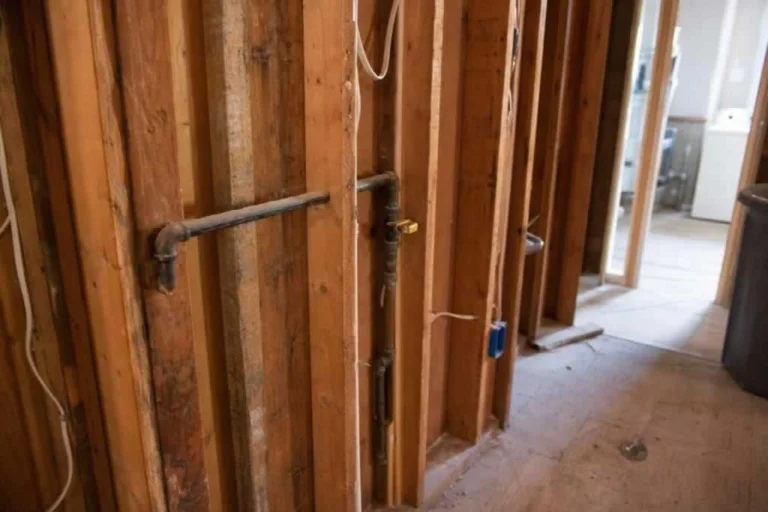
In an attempt to fix it yourself, you can open your toilet’s tank, see if there is any corroded part, and buy a new one and replace it. A standard method to spot a leak in any other part of your house is to look for water around appliances that run on it. And another thing to do is to detect corrosion in all the pipes in the house. If the fix looks manageable and straightforward, then you can perform them yourselves. And if it seems like significant damage, then the best thing to do is call a qualified and licensed plumber.