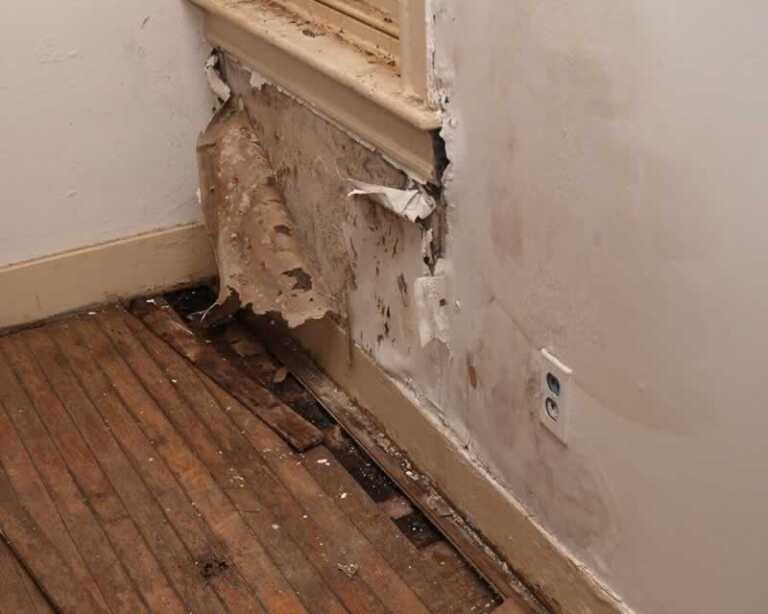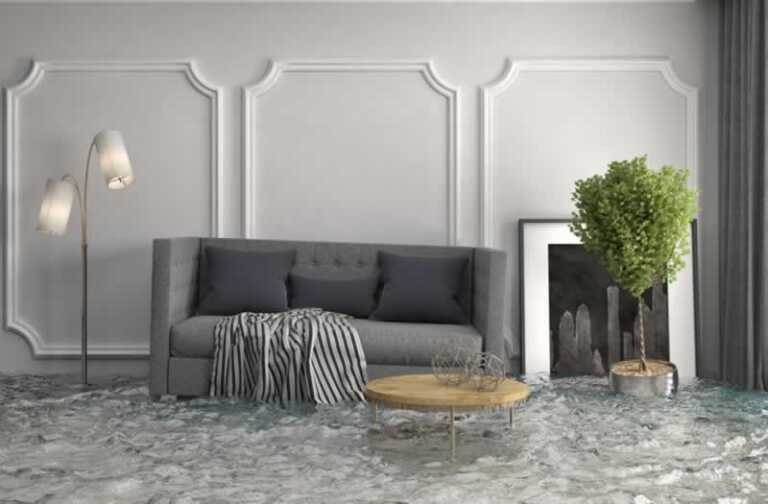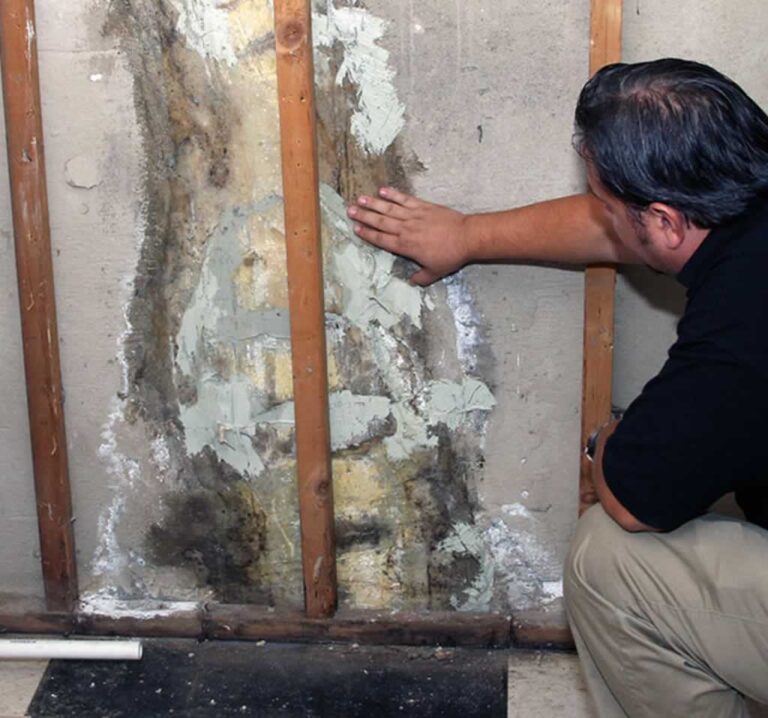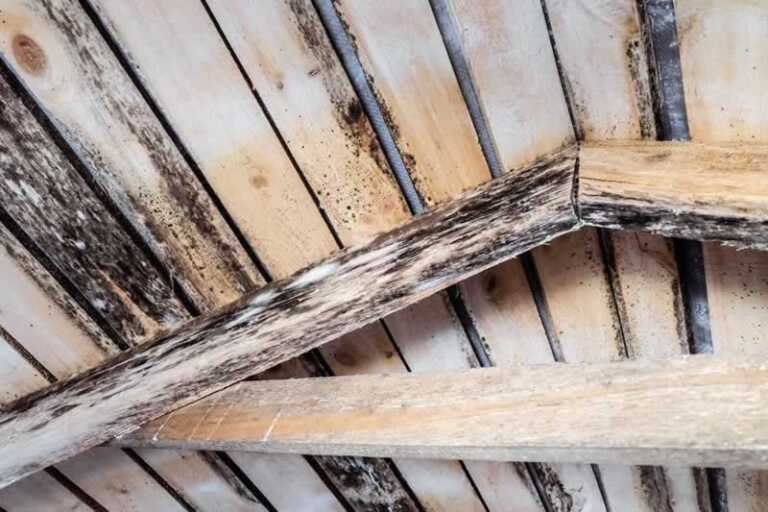
Water damage can be a major headache, especially in areas prone to floods and storms. Caused by many different sources, such as plumbing issues, natural disasters, or even simply an overflowing bathtub, it can be traumatic and devastating for households. Therefore, to ensure a safe living environment, it is essential to have water damage repair done as soon as possible.

But before you jump into any repairs, it is essential to assess the extent of damage so that you don’t end up with further financial and structural harm. This blog post will provide essential guidelines on what steps to take when looking at water damage repair from start to finish.
What To Do If You Experience Water Damage?
When water damage occurs, timing is everything. The sooner you can begin the cleanup process, the more likely your property and possessions can be saved. The following steps should be taken to start restoring your home or business after experiencing water damage:
Shut off Power and Water
Before any attempts at cleaning up are made, turn off power sources to prevent any safety accidents. This includes the main breaker box for the house or building and any individual circuit breakers. Also, stop the incoming water supply if possible to prevent further flooding.
Remove Excess Water
If a large amount of standing water is present on floors or other surfaces, use a shop vacuum or wet/dry vacuum to remove it. If the water is too deep for a shop vacuum, use a sump pump or hire a professional to do the job.

Dry Out Wet Areas
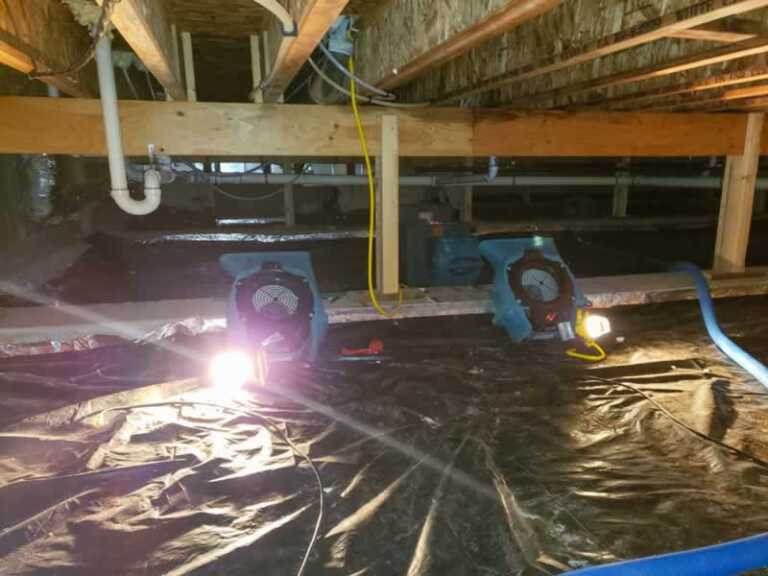
Using fans, dehumidifiers, and other methods, dry out the affected areas as soon as possible. This will help reduce mold and mildew growth. The longer these items sit in wet environments, the more likely they will sustain damage from mold or rot.
Clean Affected Objects
Depending on what has been damaged by water, some items may need to be cleaned with soap and warm water or disinfectant solutions before being used again. This includes fabric furniture, carpeting, and clothing exposed to contamination or bacteria.
How To Prevent Water Damage?
Water damage can be a hazard for homeowners and business owners alike. To prevent water damage, it is essential to inspect the home or building regularly for signs of water leakage and take prompt action if any is found. Here are some small steps you can take to protect your property from water damage:
- Check plumbing fixtures and appliances regularly for signs of leaks or corrosion. Make sure all hoses are correctly connected and capable of handling normal usage. Consider installing additional shutoff valves that can be used in an emergency.
- Inspect roofs, gutters, downspouts, flashings, foundations, walls, windowsills, siding, and other exterior features periodically to check for signs of water leaking in or pooling up. Make sure any necessary repairs are made promptly, and that rainwater is directed away from the home or building.
- Use dehumidifiers in rooms with high humidity, such as bathrooms and basements, to reduce the moisture level in the air and discourage mold growth. Regularly clean and maintain your dehumidifier for maximum efficiency.
- Repair any cracks or holes in walls or foundations that could allow water to seep into the structure of your home or business.
The Cost of Water Damage Repair
The cost of water damage repair depends on the extent of the damage and the type of repairs needed. Generally, minor repairs, such as sealing a leaking pipe or replacing a damaged section of the ceiling, may cost between $250 to $1,000. Major repairs, such as replacing drywall or flooring, can easily cost thousands of dollars. The price tag could be even higher if mold remediation is required.
How Can Experts Help You?
Experts can help in the case of water damage by providing their knowledge and experience to help assess the damage and provide a plan of action. They can also provide victim assistance, such as information on cleaning supplies and drying methods, as well as financial assistance. In some cases, experts can offer insurance claims services.
Winding Up
It is always essential to take the help of experts in case of water damage. By consulting with professionals, you can be sure that the damage will be minimized and that any necessary repairs will be conducted quickly and efficiently.