Your heating, ventilation, and air conditioning system runs quietly in the background most of the time, which makes it easy to forget about until something goes wrong. When your HVAC system starts to fail, the warning signs often appear gradually, and many homeowners miss them until the problem becomes severe and expensive. Recognizing the early indicators of HVAC trouble can save you thousands of dollars in repairs and help you avoid being left without heating or cooling when you need it most. Understanding these five critical signs will help you determine whether it’s time to call a professional technician before a minor issue turns into a major breakdown.
Your Energy Bills Are Climbing Unexpectedly
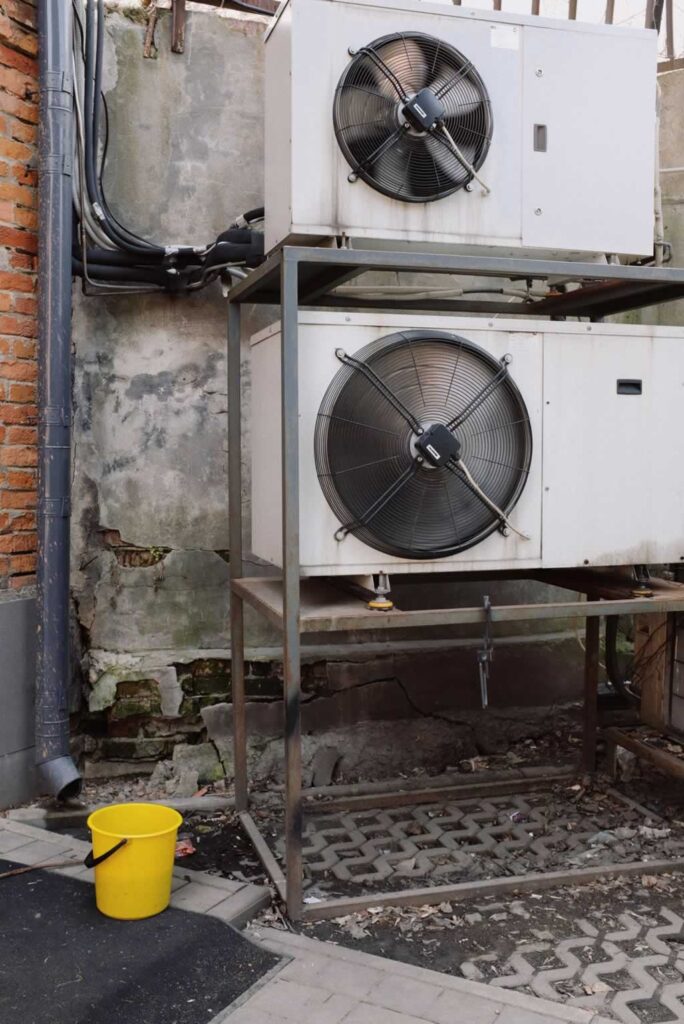
One of the first signs that your HVAC system is struggling is a noticeable increase in your monthly energy bills without any change in your usage patterns. When your heating or cooling system has to work harder to maintain your desired temperature, it consumes significantly more electricity or fuel to do the same job it once performed efficiently. A system that is losing efficiency might cycle on and off more frequently, run longer than necessary, or fail to reach your thermostat’s set temperature. If your bills have jumped 10 to 20 percent or more compared to the same season last year, your HVAC system is likely the culprit. This inefficiency often signals internal problems such as refrigerant leaks, clogged filters, or worn compressor components that require professional attention.
Strange Noises Are Coming From Your System
HVAC systems should operate with a consistent, relatively quiet hum that you barely notice during normal activities. When you start hearing unusual sounds coming from your unit, such as grinding, squealing, rattling, or banging noises, your system is sending a distress signal that something needs repair. Grinding sounds often indicate problems with the compressor or fan motor bearings, while squealing typically suggests a worn belt or refrigerant pressure issues. Rattling noises might mean loose components are vibrating inside the unit, or debris has entered the system. These auditory warnings should never be ignored, as continuing to operate a system with mechanical problems can lead to catastrophic failure and complete system replacement.
Your Home Has Inconsistent Temperatures
When your HVAC system is functioning properly, it should maintain relatively consistent temperatures throughout your home from room to room and hour to hour. If you notice that some rooms stay too warm while others feel too cold, or if your temperature fluctuates unpredictably, your system may be developing serious problems. This inconsistency could result from issues such as thermostat malfunctions, ductwork damage or leaks, blocked vents, or problems with your system’s blower motor. Homeowners who rely on HVAC service in New Jersey from Anton Plumbing Heating & Cooling can get a thorough diagnosis of the root cause of temperature imbalances and have even heating and cooling restored throughout their space. Ignoring temperature inconsistencies often leads to comfort problems that gradually worsen until your system can no longer maintain any temperature control.
Your System Is Leaking Water or Refrigerant
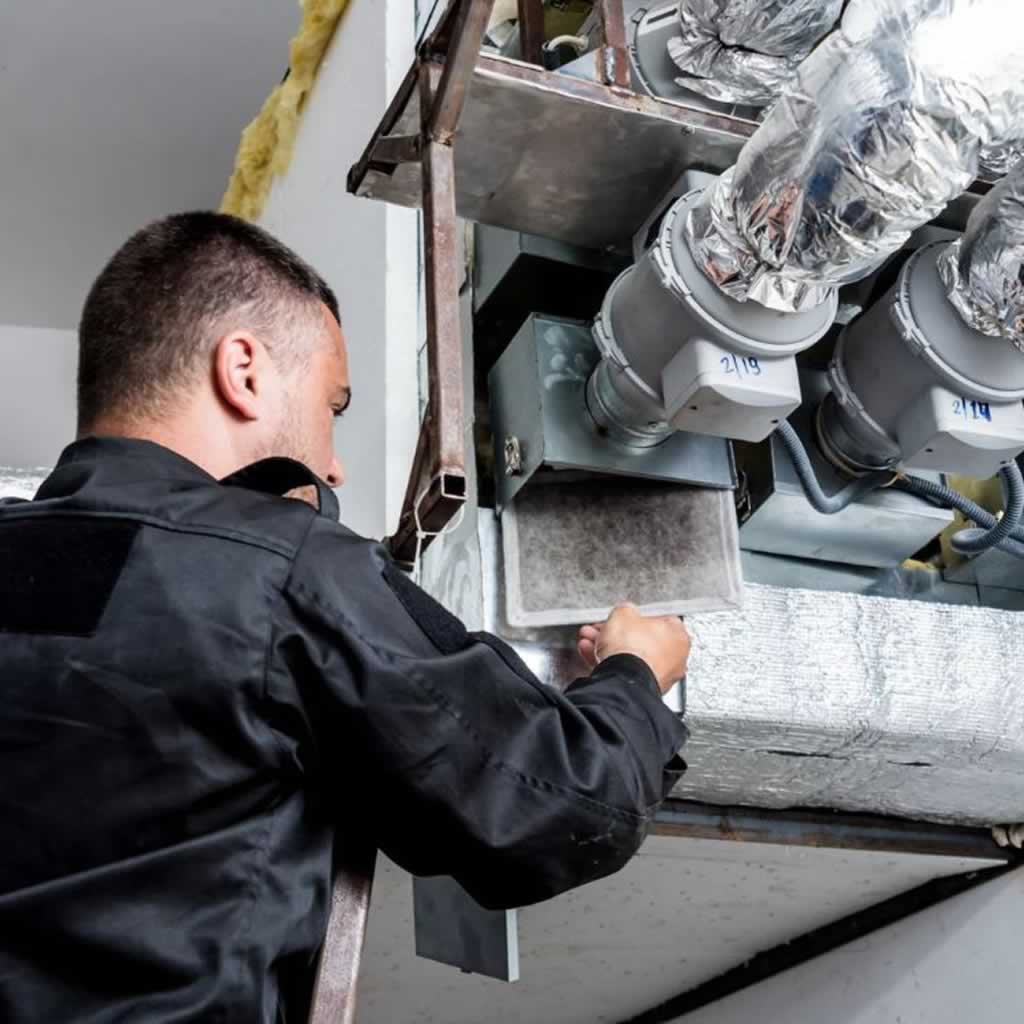
Any visible leak coming from your HVAC unit is a clear sign that something is wrong and requires immediate professional inspection. Water leaks typically indicate a clogged condensate drain, which is responsible for removing moisture that your air conditioning system produces, while refrigerant leaks suggest a serious mechanical failure inside your unit. Refrigerant leaks are particularly concerning because this chemical is necessary for your cooling system to function, and leaks also pose environmental and health risks if the refrigerant escapes into your home. Water accumulation around your indoor or outdoor unit can damage surrounding structures and create conditions for mold growth if left unaddressed. Any liquid pooling near your HVAC system warrants a call to a qualified technician who can identify the leak source and recommend appropriate repairs.
Your System Will Not Turn On or Cycle Properly
If your HVAC system fails to turn on when you adjust your thermostat, or if it cycles on and off repeatedly without maintaining temperature, something is preventing normal operation. This problem could stem from a faulty thermostat, a tripped circuit breaker, a dead battery in your thermostat, or internal electrical issues within the system itself. Constant cycling, known as short cycling, is particularly hard on your HVAC equipment because it prevents the system from completing its normal operating cycle, which can damage the compressor and other components. As your system ages past 15 to 20 years, parts become harder to source and more expensive to replace, making these operational failures increasingly common and costly to address. Before calling for service, check simple fixes like replacing your thermostat batteries, ensuring your breaker switch is in the correct position, and verifying that your thermostat is set to the proper mode. If these basic troubleshooting steps do not resolve the issue, professional service is necessary to prevent further damage and to assess whether repair or full replacement is the more practical path forward.
Conclusion
Recognizing the warning signs of HVAC trouble early can prevent inconvenient breakdowns and protect your investment in home comfort. Rising energy bills, unusual noises, inconsistent temperatures, water or refrigerant leaks, and system cycling problems all indicate that your HVAC needs professional attention. By paying attention to these warning signs and scheduling regular maintenance with qualified technicians, you can extend your system’s lifespan and avoid the stress of emergency repairs when temperatures are at their most extreme. Taking action as soon as you notice any of these indicators will keep your home comfortable and your costs manageable.