
Having an EV charger eliminates relying on public charging points which often limit how much electricity you can use while charging steep fees for their services. Great, right?

But, before you install an EV charger, here are some things you should know about EV charger installations.
Can You Install EV Chargers in Your Home?
Yes, you can. Once you can contact a certified technician for the job, you can have an EV charger in your home.
Who Should Install Your EV Charger?
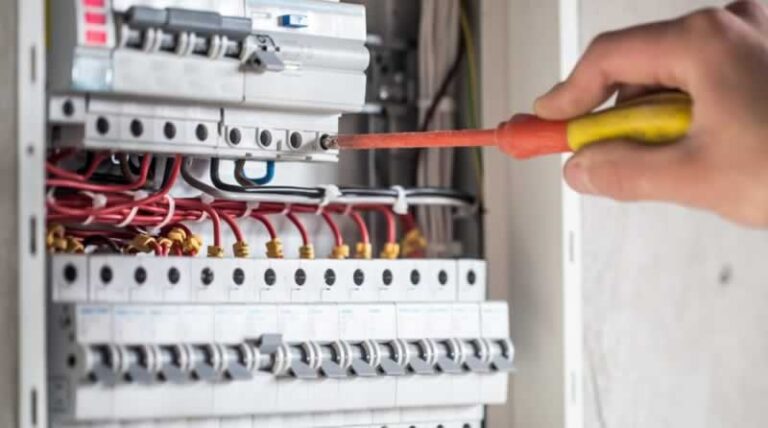
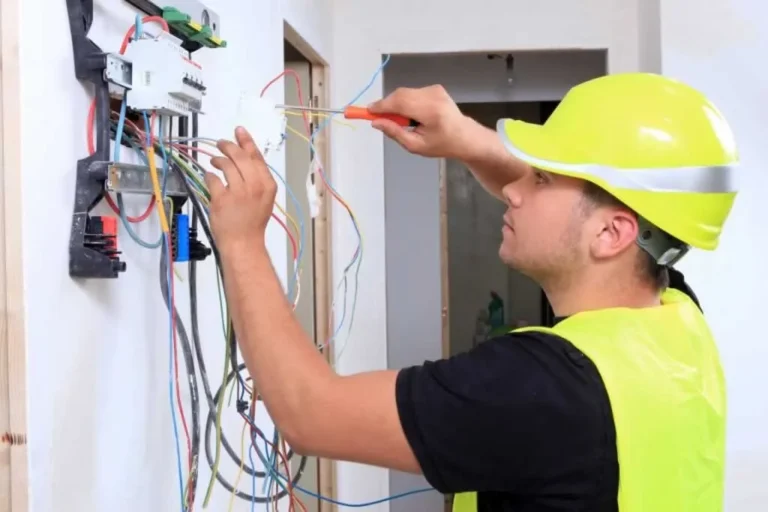
Installing an EV charger is complex and requires specific skills, so installing an EV charger yourself is unwise. If you’re not an electrician who has experience installing EV chargers, get hold of a professional for the job. They are trained specifically for this task. Hiring a professional may seem expensive when you consider it in the short term but having one install your EV charger correctly and according to regulations ensures your safety and the longevity of your EV charger. You can call Safe and Sound Electric for your EV charger installation; they provide you with experienced and professional electricians who are excellent at their jobs.
What Exactly Will Be Installed?
Typically, you would choose between two types of EV chargers: tethered and untethered EV chargers.
Tethered EV Charger
The first type is the tethered EV charger. This type comes, as the name suggests, with a cable that you plug into your vehicle. Most EV owners prefer the tethered charger because of its convenience. You simply need to park your vehicle, uncoil and plug it in. If you choose to go with the tethered EV charger, always remember to coil it back into the box to avoid driving over it.
Untethered EV Charger
Using an untethered EV charger requires you to own a cable. However, this shouldn’t be an issue since most electric vehicles come with one. Even if you don’t have a cable or have simply lost your original, you could buy one from your vehicle’s company. They typically cost $120. The upside to getting an EV charger is that it keeps your driveway tidier and allows you to upgrade the plug configuration whenever you need to.
Where Should You Install the EV Charger?
You can choose to install your EV charger inside or outside your residence if you want since they’re water and weatherproof. They only need to be close to your EV’s location. Most technicians would survey where you want to install your EV charger, maybe take a picture or two. They will then determine whether or not the spot you picked is right. If it isn’t, you can select another place or have them pick a spot for you. A recommended spot for an EV charger is somewhere away from SIM touches, that is metallic objects connected to your electricity supply.

How Long Does Installation Take?
Of course, each installation is unique, but an installation should take an average of 2 hours. There may be cases where technicians don’t complete the installations early due to certain hiccups, but that hardly happens. If it does happen, you can always reschedule a more convenient time for both parties.
Is It Safe?
Even though EV chargers don’t consume a lot of power, you need to check your current electrical system to determine whether it can carry the burden of an EV charger addition. You also need to inform your electricity provider of the EV charger installation in your home. Then, they can provide you insights on the dos and don’ts of owning an EV charger.
Conclusion
Given the dangers of handling electricity, it is strongly advised that you do not attempt installing an EV charger on your own. It is far safer to hire approved installers and qualified electricians. They will analyze if it is appropriate to have an EV charger on your property and where to install it to ensure optimum benefits.