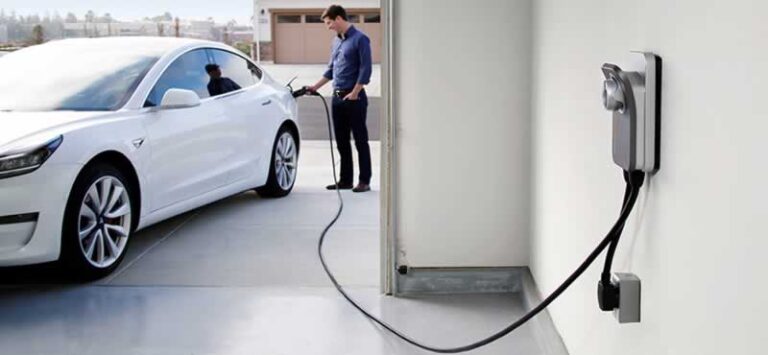

If you own an electric vehicle, chances are you’ve noticed the proliferation of electric vehicle charging stations in recent years. While it’s great to see that there are more options for charging your car, it can be confusing to try and figure out which charger is right for you.

In this blog post, we’ll break down the different types of electric vehicle chargers so that you can make an informed decision about which one is right for your needs.
Level 1 Chargers
Level 1 chargers use a standard 120-volt outlet and are the slowest charger, taking anywhere from 8 to 12 hours to charge a fully depleted battery. If you have a Level 1 charger at home, it’s probably the one that came with your car when you bought it. While Level 1 chargers are slow, they’re also the most affordable and easiest to install, making them a good option for people who only occasionally need to charge their car.
Level 2 Chargers
Level 2 chargers use a 240-volt outlet and can charge a fully depleted battery in 4-8 hours. These chargers are faster than Level 1 chargers but require a dedicated circuit, meaning they’re more expensive and complex to install. If you have an electric car that you use daily, a Level 2 charger is probably a good investment.

DC Fast Chargers
DC fast chargers use 480-volt outlets and can charge a fully depleted battery in as little as 30 minutes. These chargers are the fastest option but also the most expensive, both to purchase, and install. DC fast chargers are typically found at public charging stations and are only an option for some people who want to charge their cars at home.
Conclusion
No matter which type of electric vehicle charger you choose, you can rest assured knowing that you’re doing your part to reduce your carbon footprint. If you need help determining which charger is right for you, consider how often you’ll need to use it and what outlet is available before making your decision.