
Every homeowner eventually meets the same rite of passage. This usually involves a dripping faucet. It can also involve a slow drain. It can even involve a toilet that runs long after the tank should be full. Before reaching for the phone, most people reach for a wrench. This instinct is correct for many common plumbing problems. This guide explains what you can realistically fix yourself. It explains what tools make the job easier. It also explains where the line sits between a weekend project and a job for HandyBandi. Some plumbing problems are better left to a licensed professional. This is especially true when the right equipment and permits are needed. Think of this less as a rulebook. Think of it as a way to decide before the water starts spraying. You can figure out whether this is a job for you. You can also figure out whether it is a job for someone with a van full of proper tools.
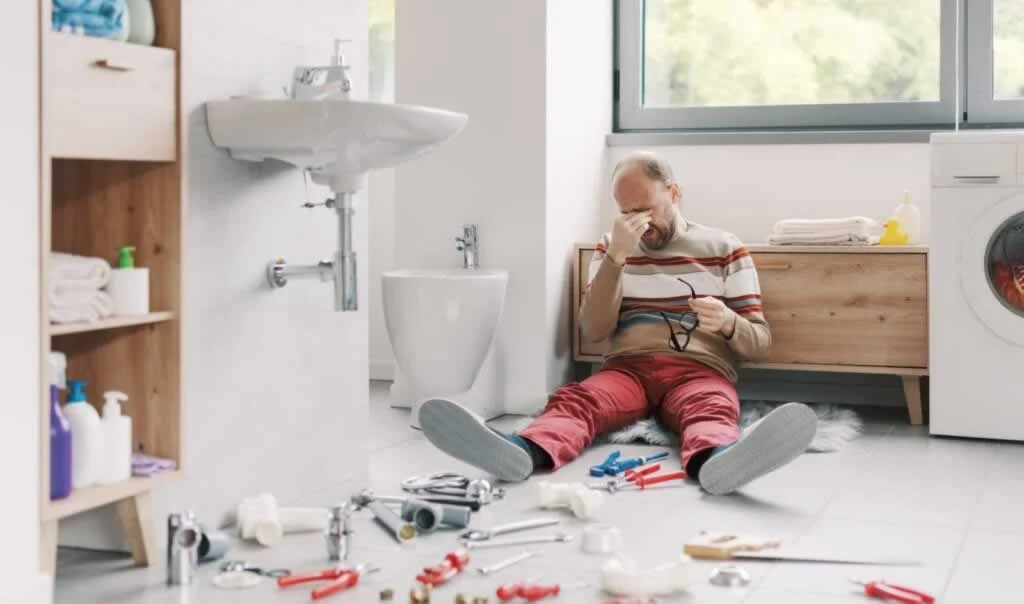
Here are the plumbing issues that tend to show up most often on a homeowner’s to-do list.
- A worn washer or O-ring usually causes a leaky faucet.
- A faulty flapper often causes a running toilet.
- Hair, soap, or grease buildup often slows a bathroom or kitchen drain.
- A clogged aerator or partly closed shutoff valve can reduce water pressure at one fixture.
None of these require ripping into a wall, and each one can usually be solved in under an hour with parts that cost less than a takeout order.
Water pressure deserves its own mention. It quietly affects almost everything else in the house. It affects how long a shower takes. It also affects how hard your washing machine’s hoses have to work. Most plumbing professionals consider 40 to 60 psi the comfortable range for residential piping. Anything above 80 psi puts real strain on pipes. It also puts strain on joints. It also puts strain on appliance hoses. A ten-dollar gauge can be threaded onto an outdoor hose bib. It will tell you exactly where your home’s water pressure stands. It is worth checking once or twice a year. You can treat it the same way that you would check tire pressure. Pressure sometimes spikes and drops suddenly. Pipes sometimes bang loudly when a faucet shuts off. Plumbers call this phenomenon water hammer. Both signs are worth investigating. They can otherwise turn into a burst line.
Here’s a quick reference for what those numbers actually mean for your home.
| Water Pressure (psi) | What It Means |
| Below 40 | Weak flow, longer shower and dishwasher cycles |
| 40 to 60 | Ideal range for most homes and fixtures |
| 60 to 80 | Still acceptable, but keep an eye on it |
| Above 80 | Risk of leaks, worn washers, and pipe stress |
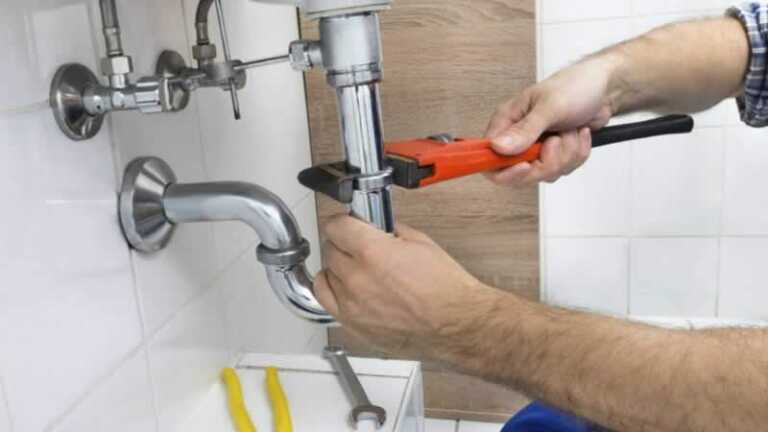
Before touching anything under a sink, it helps to have a small kit ready so a five-minute fix doesn’t turn into three trips to the hardware store.
- An adjustable wrench and a set of channel-lock pliers.
- Plumber’s tape and a tube of silicone sealant.
- A flashlight and a bucket for the inevitable drips.
- A basic drain snake for clogs that a plunger can’t clear.
Under-sink repairs often involve a curved pipe called a trap. This part holds a small amount of water. The water blocks sewer gas from entering the house. If you are curious about how this small bend does its job, the plumbing trap article on Wikipedia explains the mechanics well. Understanding this process makes reassembling one after a clog much less stressful.
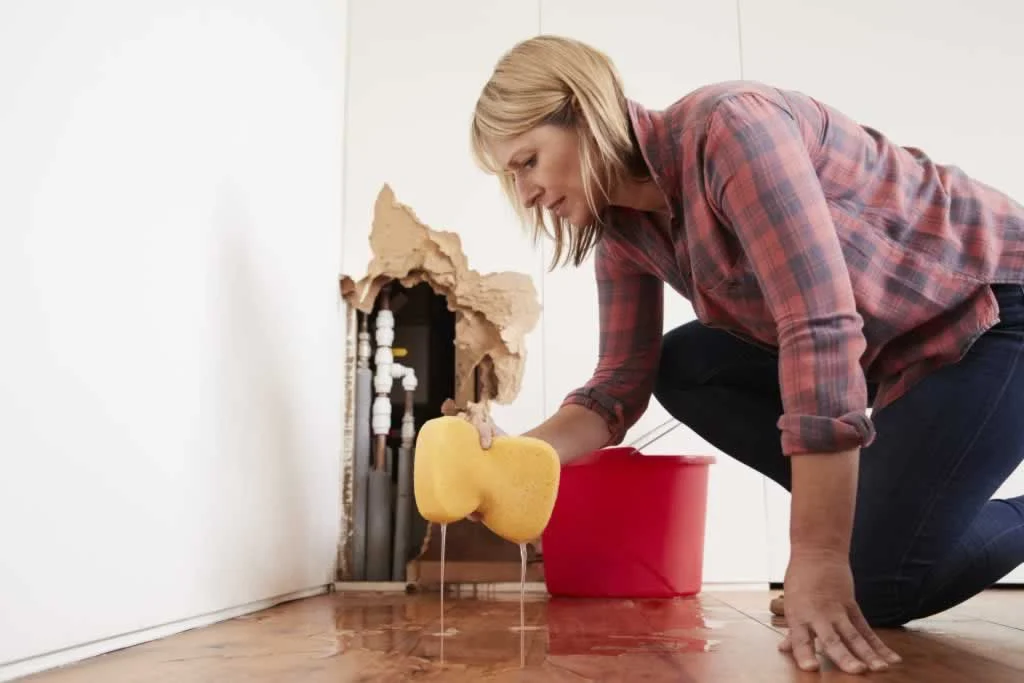
Water heaters represent another part of the home where a limited amount of understanding can provide a considerable advantage. The generally recommended safe setting remains 120 degrees Fahrenheit. This temperature is sufficiently high to help control bacterial growth. It is also sufficiently low to prevent avoidable scalding dangers.
It is not so hot that it causes scalding within seconds. This matters a lot in homes with children or older adults. Checking the thermostat dial is a reasonable DIY task. Adjusting it slightly is also a reasonable DIY task. It can even reduce the energy bill. Replacing a heating element is a different story. Relighting a stubborn pilot light on an older unit is also different. Dealing with a leaking tank is another job that is better left to a professional. This is where a professional plumbing service such as HandyBandi becomes valuable. This is especially true when gas lines or electrical components are involved.
Confidence is useful. Some situations still require professional help. This remains true no matter how many online tutorials you have watched.
- Any project involving gas line connections or appliance hookups.
- Sewer line backups affecting more than one fixture at the same time.
- Water heater tank leaks instead of simple pressure or temperature problems.
- Repiping. Rerouting. Any work that requires a permit in your area.
These jobs are not unsuitable for DIY because of stubborn rules. Gas connections have serious safety and code requirements. Main sewer lines also have serious safety and code requirements. A mistake can cost far more than a plumber’s visit.
Even confident DIYers make common mistakes. It is worth avoiding a few familiar habits.
- Overtightening fittings. This cracks plastic. It also strips threads faster than it creates a proper seal.
- Mixing different metal pipe types without the correct dielectric fitting.
- Pouring chemical drain cleaner into a clog that a drain snake could remove more safely.
- Skipping the shutoff valve. This can flood the cabinet before you realize what happened.
Plumbing tends to favor careful thinking more than physical force. A patient and organized method usually achieves better results than pushing a problem until it gives up. This principle applies to a leaking faucet. It applies to a blocked drain as well. It also prevents minor repairs from growing into costly damage. Understand the basic systems. Keep several useful tools nearby. Allow the more complicated tasks to be handled by a licensed plumber. This covers gas connections. It covers sewer problems. It covers complete repiping work. Knowing your abilities matters. Understanding where your knowledge ends matters equally. That balance is what allows a home to continue functioning properly. It is also a practical skill that remains valuable throughout the years you live there.
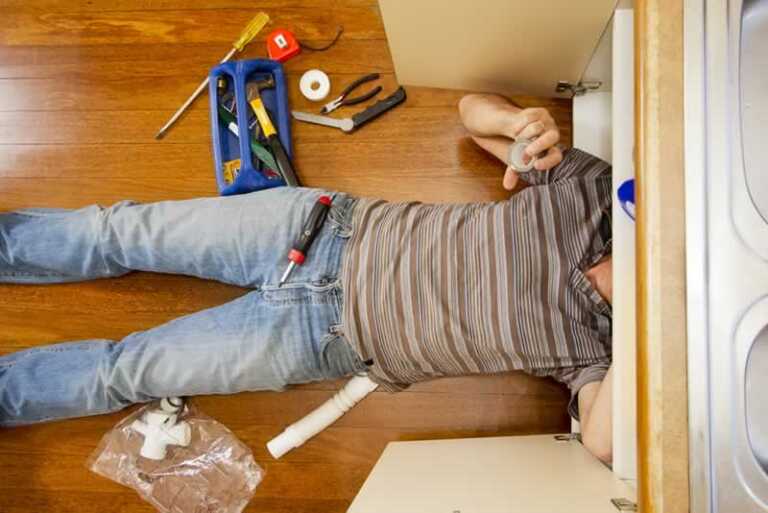


I really appreciated the part about knowing when to put down the wrench and call a professional. It’s so easy to feel confident tackling small issues, but realizing your limits can save a lot of hassle in the long run! Those tips are definitely useful for every homeowner.