It’s easy to appreciate a tree’s shade in July. In January, when the sun feels welcome and the branches may be bare, that same tree can seem less important. That’s one reason winter tree removal can look like a straightforward decision.
The weather is cooler, outdoor projects are easier to organize, and a tree that’s been causing trouble all year can finally be dealt with. But there’s a question worth asking before the removal crew arrives: What will this part of the property feel like when summer returns?
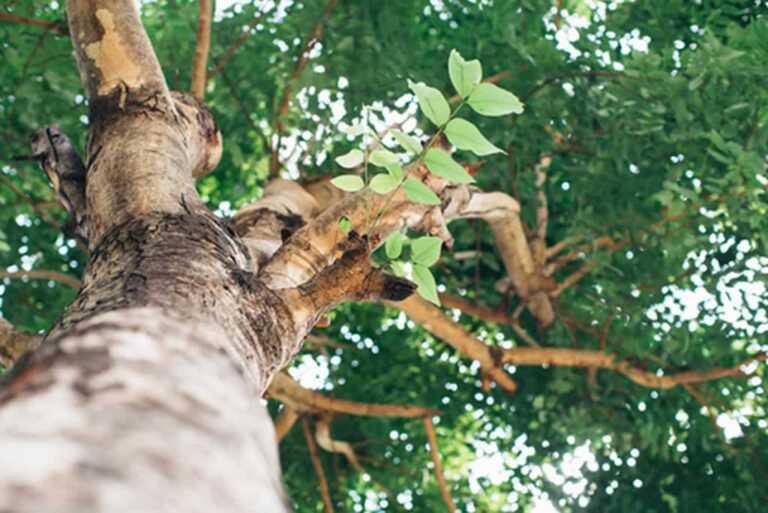
A tree doesn’t have to be beautiful or perfectly healthy to provide useful shade. Its canopy may protect a west-facing window, keep a patio comfortable, or shield plants that would otherwise struggle in direct sunlight. Once that canopy disappears, the effects extend beyond the empty space in the yard.
This doesn’t mean every tree should be saved. Some are hazardous, declining, or unsuitable for their location. It means the decision deserves a look at both the immediate problem and what the property will need afterward.
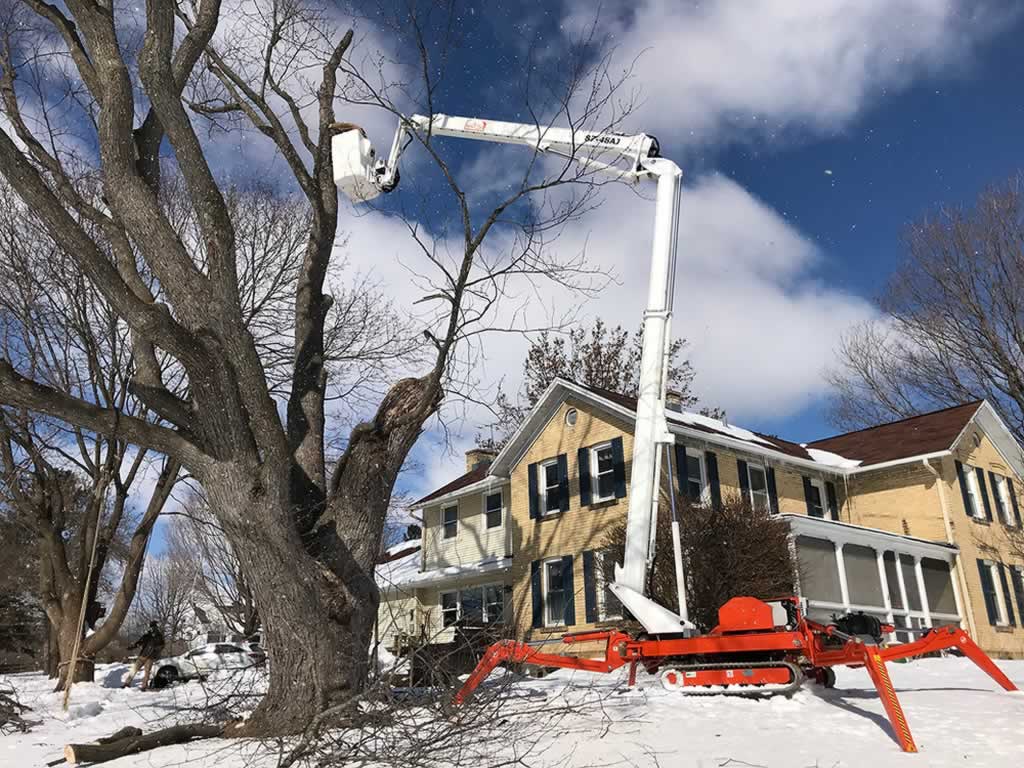
Removing a Tree Changes More Than the View
The most obvious change after tree removal is visual. A once-shaded corner becomes open, the backyard appears larger, and parts of the house that were hidden behind branches suddenly come into view. Other changes become apparent when temperatures rise.
The Shade You Don’t Notice Until It’s Gone
Think about where people actually spend time outside. Perhaps there’s a chair near the back door that stays comfortable until late afternoon. Maybe the children can play on one side of the yard without standing directly in the sun. Or a bedroom window remains shaded during the hottest part of the day. Those benefits may depend on a single mature tree.
According to the U.S. Environmental Protection Agency’s heat-island guidance, trees and other vegetation lower surface and air temperatures through shade and evapotranspiration, the process through which plants release water vapor. The EPA also notes that trees shading buildings can reduce demand for air conditioning.
The cooling benefit isn’t identical for every property. Tree species, canopy density, location, and the orientation of nearby buildings all influence the result. Still, removing a large shade tree can expose surfaces that previously received limited direct sunlight.
Why Tree Removal Deserves a Look Beyond the Immediate Problem
A tree may be growing too close to a structure, dropping branches, interfering with a planned improvement, or showing signs of deterioration. The reason matters because the response should match the problem.
A healthy tree creating a landscaping inconvenience presents a different decision from one with significant structural defects above a frequently used walkway. Before committing to removal, consider whether the problem can be resolved through appropriate pruning, changes to the landscape design, or another management approach.
A qualified arborist can evaluate the tree’s condition and whether preservation is reasonable. ISA Certified Arborists have demonstrated tree-care knowledge through experience and examination. If failure risk is the concern, ask whether the assessor also holds ISA’s Tree Risk Assessment Qualification or comparable risk-assessment training. No article can determine whether a specific tree is safe; that requires an on-site assessment.
Why Winter Can Be a Practical Time to Schedule Tree Removal
Winter is often associated with tree removal, but the reasons vary considerably by climate. In colder regions, frozen or firmer ground may sometimes help with equipment access, although snow, ice, and unsuitable ground conditions can create other challenges. In warmer places such as Phoenix, cooler temperatures can make outdoor work more manageable than during periods of extreme summer heat.
Cooler Conditions and Equipment Access
For planned, non-emergency work, seasonal scheduling can offer practical advantages. Leafless deciduous trees may provide greater visibility of their branch structure, and a less crowded landscaping calendar can make coordinating work with other projects easier in some locations.
However, winter doesn’t automatically make a tree safer to cut down or guarantee that heavy machinery will cause less damage. Wet soil, limited access, nearby buildings, and unstable branches can complicate a job regardless of the month.
For homeowners comparing seasonal options, understanding the best time to remove trees can help put weather conditions, tree health, and project scheduling into context before a removal date is chosen. A professional should also evaluate the surrounding site. Underground utilities, irrigation lines, fences, and nearby vegetation may all affect the removal method.
Why Dangerous Trees Shouldn’t Wait for a Preferred Season
Seasonal convenience becomes secondary when a tree presents a significant safety concern. A major crack in the trunk, recently lifted roots, a sudden change in leaning, or large broken branches suspended overhead can justify prompt professional assessment.
Not every lean indicates instability, and not every dead-looking branch means an entire tree is dangerous. Deciduous trees can also appear lifeless during normal winter dormancy. What matters is the tree’s actual condition, the likelihood of failure, and what could be struck if part of it falls.
If a tree appears unstable, keep people and pets away from the affected area until a qualified professional evaluates it. Never approach a tree or branch contacting an electrical line; stay clear and contact the utility provider.
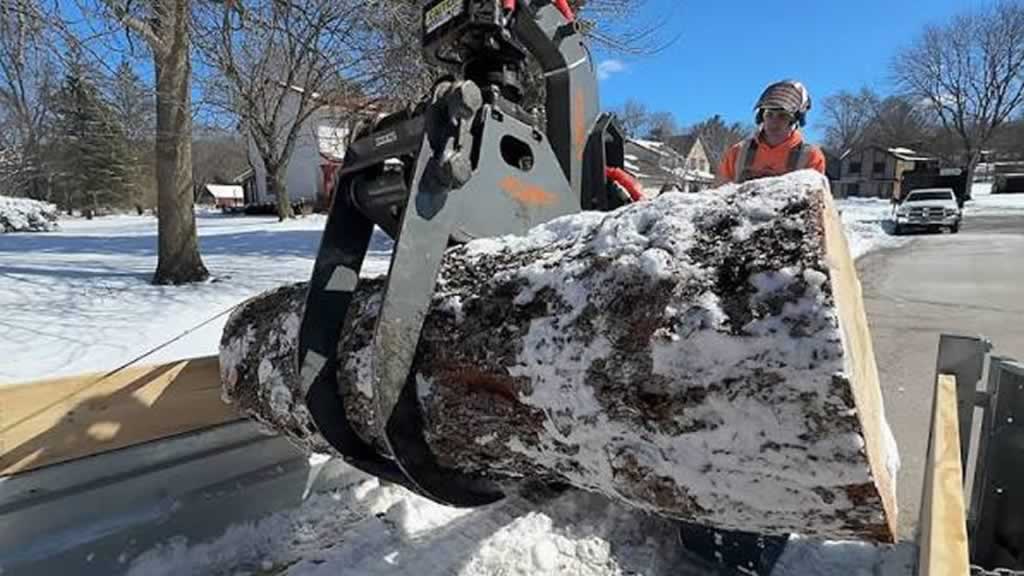
What Happens to Your Yard When Summer Arrives?
The first warm weeks after removal may not reveal much. The open space may even feel refreshing. Then come the long afternoons.
Patios, Windows, and Outdoor Spaces That Lose Their Shade
A patio that once received filtered sunlight may become uncomfortable during peak afternoon heat. Stone pavers, concrete, and other exposed surfaces can absorb solar energy and become hot to the touch.
Windows that previously sat beneath the edge of a canopy may receive more direct sunlight. Depending on the home’s orientation, glazing, insulation, and existing shading, this can increase unwanted heat gain.
These changes are particularly noticeable around west-facing areas, where afternoon sunshine arrives after surfaces have already been warming throughout the day.
The University of Arizona Cooperative Extension’s Choosing the Right Plants explains that shade patterns shift through the day and seasons and that south- and west-facing exposures receive more sunlight than north- and east-facing sides. It also advises considering reflected heat, microclimate, soil, and a plant’s mature size when choosing a location.
That guidance suggests a simple check before removal: identify where the existing canopy casts shade during the warmer months. If possible, review photographs taken at different times of day.
Pay attention to the places where shade matters most: windows, seating areas, outdoor play spaces, and frequently used paths. A tree that shades an unused section of lawn may have less influence on daily comfort than one protecting the home’s western wall.
How More Direct Sunlight Can Change Planting and Watering Needs
The tree’s disappearance may also affect the plants growing nearby. Shade-loving shrubs, groundcovers, and ornamentals can experience more intense sunlight than they previously tolerated. In hot, dry climates, increased exposure may contribute to leaf scorch and greater moisture demand.
The change isn’t necessarily negative for every plant. Some sun-loving species may grow better once an overhead canopy is removed. Mature trees also compete with surrounding plants for water and soil resources. Removing that competition may benefit certain plants even as the loss of shade increases exposure.
For that reason, don’t assume every planting bed will need more water immediately. Monitor soil moisture and plant condition, then adjust irrigation based on actual needs. Where the landscape changes significantly, repositioning sensitive plants or providing temporary shade may be more effective than simply increasing watering.
Can You Replace the Shade Without Planting Another Large Tree?
If removal is necessary, the next decision is how to restore useful shade without recreating the original problem. A replacement doesn’t always have to be another large tree. The right solution depends on available space, climate, water requirements, and which part of the property needs protection.
Choosing Trees That Suit the Available Space
Planting a fast-growing tree might seem like the quickest way to recover lost shade. But rapid growth alone is a poor selection criterion. A replacement tree needs enough room for its mature canopy and root system. It should also be suited to local temperatures, soil conditions, and available irrigation. A small tree planted too close to a house may eventually create the same conflict that prompted the original removal.
In Arizona, mesquite and palo verde can suit some desert landscapes, but species and mature size matter. University of Arizona Cooperative Extension guidance describes both groups as drought-tolerant landscape trees and notes that individual mesquites and palo verdes can develop substantial canopies under favorable conditions.
The same Extension guidance emphasizes matching plants to their location. Microclimate, exposure, soil conditions, and mature growth characteristics all matter.
Replacement shade also takes time. A newly planted tree generally cannot provide the same coverage as a mature specimen for many years. Choose a tree likely to remain suitable as the landscape develops.
Pergolas, Shade Structures, and Other Alternatives
Where a large replacement tree isn’t practical, a constructed shade feature may offer more predictable coverage. A pergola with appropriate overhead screening can protect a seating area. Exterior awnings may reduce direct sunlight entering specific windows. Shade sails can help cover selected outdoor spaces when properly designed and anchored.
The design has to match the problem. Pergolas don’t necessarily block much direct sun unless their design includes adequate coverage. Shade sails must be engineered and installed for local wind conditions. Awnings need suitable mounting surfaces and appropriate maintenance.
Unlike a healthy tree, these structures also don’t provide evaporative cooling through foliage. For many properties, a combination works best: a smaller, well-positioned tree for long-term cooling and a suitable shade structure for immediate use.
What to Check Before Scheduling the Removal
Once the decision is to move forward, a few practical checks can prevent unnecessary complications.
Make a Shade Record Before the Tree Comes Down
If removal is discretionary, document the canopy before it disappears. On a clear warm-season day, photograph the same locations around 9 a.m., noon, and 4 p.m. Note which windows, seating areas, walls, paths, and planting beds are shaded. Mark the shadow edge on a simple property sketch and identify which areas matter most for comfort or plant protection. This gives an arborist or landscape professional a site-specific record for replacement planning.
Whether the Tree Can Be Safely Preserved
Ask a qualified arborist to explain why removal is being recommended and whether alternatives are appropriate. For a valuable mature tree, especially one with uncertain structural concerns, an independent assessment may be worthwhile before making an irreversible decision.
A tree risk assessment considers more than visible damage. The professional may examine structural defects, site conditions, tree health, potential targets, and the consequences of failure. If removal is justified, request a written scope describing how the work will be performed, what will happen to the debris, and whether stump grinding is included.
Before hiring, verify any license or registration required in your state or locality, confirm insurance coverage, and check the provider’s qualifications. If the property is subject to an HOA, review its governing documents for approval requirements. Tree-removal rules vary by jurisdiction. For example, Arizona’s Native Plant Law, Title 3, Chapter 7, regulates protected native plants in specified circumstances.
Section 3-904 exempts certain individually owned residential properties of 10 acres or less where initial construction has already occurred. The Arizona examples here are illustrative; they do not establish the rules for every property.
The Best Place for Replacement Planting
It’s tempting to plant a replacement in exactly the same location. That may not be the best choice. Consider the eventual spread of the canopy, proximity to structures, underground utilities, irrigation needs, and the amount of sunlight received throughout the year.
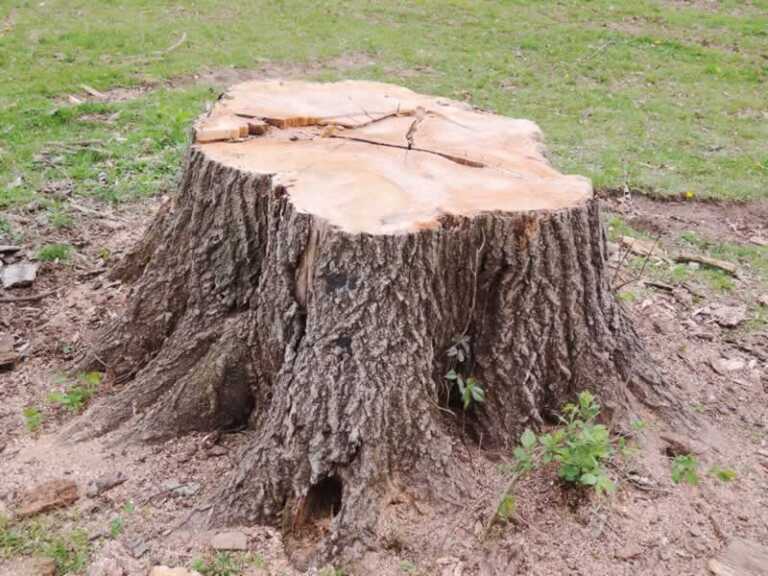
A position several feet away might provide better shade over a patio or window while leaving more growing room. Stump grinding also doesn’t mean the entire root system has been removed. Remaining roots, buried wood, and disturbed soil may complicate planting in precisely the same spot.
Ask a landscaping professional or local cooperative extension service about suitable species and planting locations.
Local Regulations, Utilities, and Professional Assessment
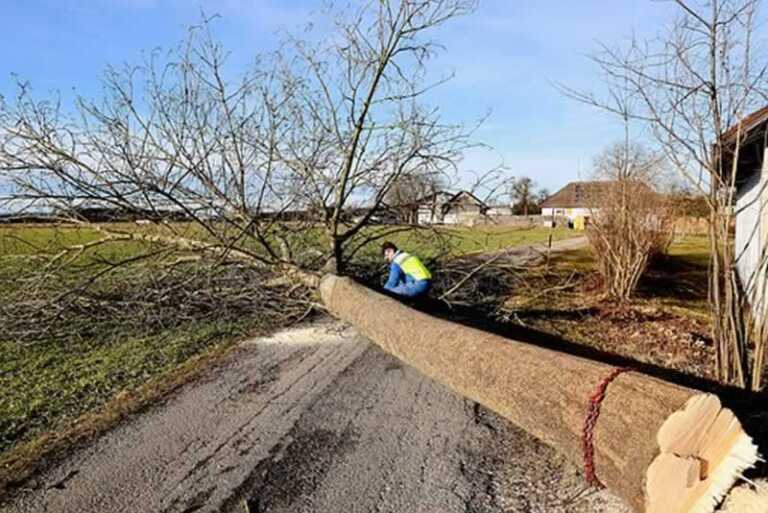
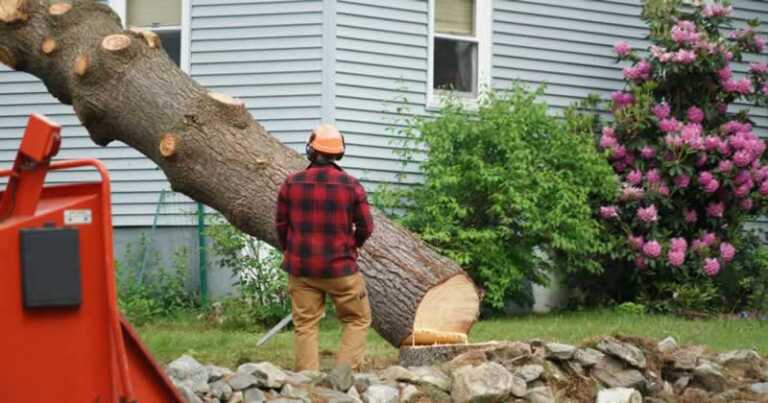
Tree removal involves hazards that make large-tree work unsuitable for most DIY projects. Before work begins, check applicable local permits, review any HOA requirements, establish how the crew will access the tree, and identify obstacles near the work area.
Where a contractor license is required, use the relevant state licensing agency to verify the license and that its classification covers the planned work. In Arizona, the Registrar of Contractors advises consumers to check both the license record and classification before hiring a licensed contractor.
Contact 811 or the appropriate one-call center before excavation and follow the rules that apply where the property is located. The 811 system provides nationwide access to local utility-notification services, but waiting periods and excavation duties are set by state law. In Arizona, Revised Statutes section 40-360.22 requires an excavator, before covered excavation, to determine whether underground facilities will be encountered and where they are located.
Ask the one-call center whether additional steps are needed for lines it does not locate. If overhead utility lines are involved, coordinate with the utility company and appropriately qualified professionals rather than attempting the work yourself.
Finally, consider how the yard will be left. Heavy equipment may compact soil or damage irrigation components, and stump grinding may leave a depression that needs attention. Agreeing on site protection and cleanup beforehand makes it easier to prepare the area for the next stage of landscaping.
Think About the Next Summer Before Removing the Tree This Winter
A tree that comes down in January may not feel like a major loss until the first truly hot afternoon. A patio may become hotter, a window may receive direct afternoon sun, and plants that once grew beneath the canopy may need different care. Those consequences do not outweigh a legitimate reason for removal.
A structurally unsafe tree shouldn’t be kept simply because it provides valuable shade. Nor should homeowners feel obligated to preserve a healthy tree that cannot reasonably coexist with the property’s needs. When removal is discretionary, however, consider what the tree already contributes before deciding that it has outlived its usefulness.
Look at the yard during the hours you use it. Consider which surfaces, windows, and plants depend on the canopy. If the tree must go, plan realistically for replacing its shade.
Winter may be the right season to remove a tree. The better decision is one that also accounts for how the property will work when summer comes back.