
Swimming pool covers come in various types, each designed to serve specific needs and preferences. The most common types include solar covers, winter covers, safety covers, and automatic covers. Solar covers, also known as solar blankets, are primarily used to retain heat and reduce water evaporation. They are typically made of a lightweight, UV-resistant material that floats on the water’s surface, trapping heat from the sun and transferring it to the water.
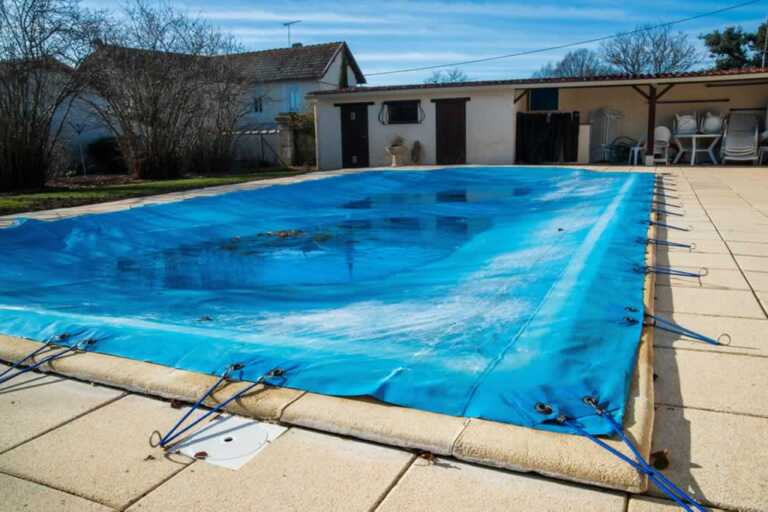
Winter covers are designed to protect your pool during the off-season, preventing debris, leaves, and dirt from accumulating in the water. These covers are usually made of heavy-duty materials like polyethylene or vinyl, which are resistant to tears and harsh weather conditions. Safety covers, on the other hand, are built to provide a secure barrier that prevents accidental drownings. These covers are often made of mesh or solid materials and are anchored to the pool deck to support the weight of a child or pet.
Automatic covers offer the ultimate convenience, as they can be opened or closed with the push of a button. These covers are usually made of reinforced vinyl and are mounted on tracks that run along the edges of the pool. They provide excellent safety and heat retention, making them a popular choice for many pool owners. Understanding the different types of pool covers available can help you determine which one best suits your needs and preferences.

Having a pool cover is essential to pool owners. Many accidents have been taking place yearly because the kids and pets have been falling in unguarded and uncovered pools. In that case, the family members are in danger. Many people have also proven that using pool covers saves the life. There are best above ground swimming pool covers review found online.
Factors to Consider When Choosing a Pool Cover
When selecting a pool cover, there are several factors to consider to ensure you make the right choice for your specific needs. First and foremost, consider the primary purpose of the cover. Are you looking for safety, heat retention, or debris protection? Knowing your main goal will help narrow down the options and make the decision-making process easier.
The size and shape of your pool are also crucial factors. Pool covers come in various sizes and shapes, so it’s essential to measure your pool accurately before purchasing a cover. Some covers can be custom-made to fit uniquely shaped pools, but this may come at an additional cost. Additionally, consider the ease of use. Some covers, like automatic covers, are incredibly convenient and can be operated with minimal effort, while others, like manual safety covers, may require more time and effort to install and remove.
Another important factor is the climate in your area. If you live in a region with harsh winters, a durable winter cover is essential to protect your pool from freezing temperatures and debris. Conversely, if you live in a hot, sunny climate, a solar cover may be more beneficial for retaining heat and reducing water evaporation. Lastly, consider your budget. Pool covers come in a wide range of prices, so it’s important to find a cover that offers the features you need without breaking the bank. By considering these factors, you can make an informed decision and choose the best pool cover for your needs.
There are different types, shapes, and sizes of swimming pool covers. Here are the best above ground swimming pool covers found in the market:
Solar Pool Covers
This type of pool covers is also known as bubble covers. They are affordable and absorb the sun’s warmth during the sunny day. It helps in keeping the pool warm even at night with cold temperatures. Solar pool covers also assist in keeping dirt and debris out of pool water. The disadvantage of this pool cover is that they can’t hold weight for a small animal or child.
Automatic Pool Covers
From its name, this type of pool covers uses a push button to open and close. It has an advantage of being the most secure among the other pool covers. Besides, this pool cover supports even heavyweight such of an adult. The disadvantages associated with automatic pool covers are being expensive and doesn’t heat water.
Thermal Pool Covers
Most pool owners consider this type as the best. When installing this pool cover, a professional is needed as its made from an insulating material. The advantages of using thermal pool covers are that it blocks Ultraviolet rays, reduce evaporation by 98% and lasts longer than other pool covers. Besides, people prefer it because it can be easily packed and resists sun damage.

The disadvantage of purchasing thermal pool covers is that it doesn’t heat water properly and more expensive than solar pool covers.
Winter Pool Covers
People who rely on this pool covers uses them during the winter season. Even though they can be used throughout the year, but during winter, they help in keeping out extreme temperatures, winter winds and precipitation causing damage. They are relatively inexpensive, lightweight, easy to install and reduces adequate sunlight for algae growth.
Besides, these pool covers are not effective in reducing evaporation, require anchor points and don’t heat water.
Hidden Swimming Pool Covers
If you value, aesthetic value, then hidden swimming pool covers are the best. They have a lid that helps to hide the roller and cover. The advantage of using this pool cover is that it looks appealing and it can be rolled in the water manually, semi-automatically or automatically with a hand crank.
The disadvantage of purchasing this type is that it is expensive and mostly the automatic ones. Also, this type of pool cover is not easy to install, especially in pools that exist.
Mesh Vs. Solid Pool Cover
When you use a mesh pool cover, it allows rain and snow seep through it into a swimming pool. With solid pool cover, you will use a pump when removing water that is in the cover. A mesh pool cover is much lighter than a solid cover. Besides, you will not require to pump water from mesh pool cover after raining.
Mesh covers have a disadvantage of allowing debris inside the pool, and it will require cleaning unlike using solid covers.
Cost Analysis of Different Pool Covers
The cost of a pool cover can vary widely depending on the type, material, and features. It’s important to consider not only the initial purchase price but also the long-term costs associated with maintenance and replacement. Solar covers are typically the most affordable option, with prices ranging from $50 to $300. These covers are lightweight and easy to install, making them a cost-effective choice for heat retention and reducing water evaporation. However, they may need to be replaced more frequently than other types of covers.
Winter covers are also relatively affordable, with prices ranging from $100 to $400. These covers are designed to protect your pool during the off-season and are made of durable materials that can withstand harsh weather conditions. While they may require additional accessories like water bags or anchors to secure them in place, they offer good value for their price. Safety covers are more expensive, with prices ranging from $500 to $2,000 or more, depending on the size and material. These covers provide excellent safety and protection but require a more significant investment.
Automatic covers are the most expensive option, with prices typically ranging from $2,000 to $10,000 or more. These covers offer unparalleled convenience and safety, as they can be operated with the push of a button. The initial cost of an automatic cover includes the cover itself, the track system, and the installation. While the upfront cost is high, the long-term benefits in terms of safety, heat retention, and ease of use can make it a worthwhile investment. When considering the cost of a pool cover, it’s important to weigh the initial expense against the long-term benefits and savings.
Frequently Asked Questions about Pool Covers
1. How do I measure my pool for a cover?
To measure your pool for a cover, you will need to take accurate measurements of the length and width of the pool. For irregularly shaped pools, measure the longest and widest points and provide these dimensions to the cover manufacturer. It’s also helpful to provide a diagram or photo of your pool to ensure a proper fit.
2. Can I use a solar cover with a pool heater?
Yes, you can use a solar cover in conjunction with a pool heater. In fact, using both can help maximize energy efficiency. The solar cover helps retain the heat generated by the pool heater, reducing the amount of energy needed to maintain a comfortable water temperature.
3. How long do pool covers typically last?
The lifespan of a pool cover depends on the type and material. Solar covers typically last 2-3 years, while winter covers can last 3-5 years. Safety covers and automatic covers, which are made of more durable materials, can last 7-10 years or more with proper maintenance.
4. Are pool covers environmentally friendly?
Pool covers can be environmentally friendly by reducing water evaporation, which conserves water, and by retaining heat, which reduces energy consumption. Some covers are made from recyclable materials, further contributing to their environmental benefits.
5. How do I prevent algae growth under my pool cover?
To prevent algae growth under your pool cover, ensure that your pool water is properly balanced and treated with the appropriate chemicals before covering it. Regularly check and adjust the chemical levels, and consider using an algaecide to inhibit algae growth.
6. Can I walk on my pool cover?
Only safety covers are designed to support the weight of a person. Solar covers and winter covers are not meant to bear weight and can be damaged if walked on. Always follow the manufacturer’s guidelines and use caution around your pool cover to prevent accidents.
7. How do I repair a damaged pool cover?
Minor repairs to a pool cover can often be done using a patch kit provided by the manufacturer. For larger tears or significant damage, it may be best to consult a professional or replace the cover entirely. Regular inspection and maintenance can help prevent damage and extend the life of your pool cover.
Conclusion: Making the Right Choice for Your Pool
Choosing the best swimming pool cover involves careful consideration of your specific needs, preferences, and budget. By understanding the different types of covers available, their benefits, and the factors to consider, you can make an informed decision that enhances the safety, cleanliness, and efficiency of your pool. Whether you prioritize safety, heat retention, or debris protection, there is a pool cover that will meet your requirements.
The material and cost of the cover are also important factors to consider, as they can impact the cover’s durability and effectiveness. Additionally, regular maintenance and care are essential for ensuring your pool cover continues to perform at its best. By investing in a high-quality pool cover and taking proper care of it, you can enjoy a safer, cleaner, and more energy-efficient pool for years to come. With the right pool cover, you can protect your investment and enhance your overall swimming experience.