
Trees shape the rhythm of our gardens, offering shade, beauty, and a sense of permanence. Yet, like all living things, they can fall ill.
Recognising early signs of disease is the most effective way to protect them and preserve the tranquil elegance they bring to your space.
Understanding Tree Diseases and Their Impact
Healthy trees are the backbone of a flourishing landscape. Understanding what weakens them is the first step towards keeping them strong.
When infections take hold, they often do so quietly, spreading beneath bark or soil long before the damage becomes visible. Knowing where to look gives you a head start.
One of the most common problems is root rot, which thrives in damp conditions. Poor drainage traps moisture around the roots, starving them of oxygen and encouraging fungal growth.
Over time, leaves begin to yellow and growth slows, leaving the tree struggling to support itself. Improving drainage or reducing watering frequency can make all the difference.
Another familiar issue is leaf blight, a condition marked by dark or uneven patches spreading across the leaves. It limits the tree’s ability to produce energy and weakens new growth.
By observing leaves regularly, especially after periods of rain, you can spot the first signs before the infection spreads.
Cankers are also worth noting. These appear as sunken, cracked areas on trunks or branches, where the bark has become discoloured or soft. They interfere with the flow of water and nutrients, sometimes killing entire limbs.
Oaks, maples and fruit trees are particularly prone, so a quick glance during seasonal pruning can help prevent further declines.
When caught early, most tree diseases can be treated through careful pruning, improved soil management and good airflow around branches. Prevention, however, always remains the wisest approach.

Recognising the Early Warning Signs
Observing subtle changes in a tree’s appearance tells you more than you might expect.
Leaves are the first storytellers, as they reveal stress, infections, and nutrient imbalances long before structural damage occurs.
Discolouration outside the usual autumnal palette often leads to trouble. If leaves turn orange or beige during spring or summer, something deeper may be wrong. Uneven textures or brittle edges could also signal a fungal infection rather than seasonal change.
Take time to examine the bark as well. Healthy bark feels firm with only minor flaking. Cracks, excessive peeling or sticky sap oozing from wounds can suggest the tree is under strain.
Some species, such as birches and cherries, naturally shed bark, but consistent or uneven peeling should raise concern.
Finally, pay attention to unusual growths. Fungal bodies sprouting near roots or along trunks typically indicate internal decay. These growths seem harmless, but they reveal what’s happening beneath the surface.
Establishing a Routine for Tree Health
Consistency is the quiet guardian of healthy trees. Creating a simple inspection routine ensures potential problems never go unnoticed.
Choose a time once or twice a year, ideally spring and early autumn, to examine your trees closely. Look for changes in the foliage, bark, and branch structures.
If branches appear brittle, hollow or die back without a clear reason, note their condition. Early awareness often prevents expensive treatment later.
Keep a small notebook or take photos to document what you find. Tracking progress helps identify slow, subtle changes that might otherwise be missed. A few minutes with your camera can make the difference between minor trimming and complete removal.
If your garden includes several varieties, create a checklist tailored to each species. Some trees, like pines and firs, are susceptible to resin flow or needle loss, while others can show stress through leaf drop or lichen growth.
A structured routine keeps your observations clear and ensures no detail is overlooked.
Blending Tradition with Technology
Tree care is no longer limited to pruning shears and watering cans. Modern tools now make it easier to monitor health and act swiftly when something changes.
Various tree monitoring apps can identify potential issues from photographs or provide guidance on pests and diseases common in your region. They’re particularly helpful for large gardens where spotting every detail by eye can be difficult.
For even broader overviews, drones equipped with simple cameras can capture images of canopy health, revealing discoloured patches or thinning areas that are invisible from the ground.
Landscapers managing parks or estates often rely on this technology to allocate maintenance where it’s most needed.
Still, technology should complement rather than replace human observation. A close look, a light touch on bark or listening for hollow sounds within branches reveals more than any device can.

Knowing When to Call the Experts
There comes a point when specialist help becomes essential. While regular maintenance covers most issues, some symptoms call for expert assessment.
If multiple branches die back quickly, fungal growth spreads across the trunk, or large cavities appear near the base, it’s time to contact a tree surgeon or certified arborist.
These individuals carry diagnostic equipment and can identify complex problems invisible to the untrained eye.
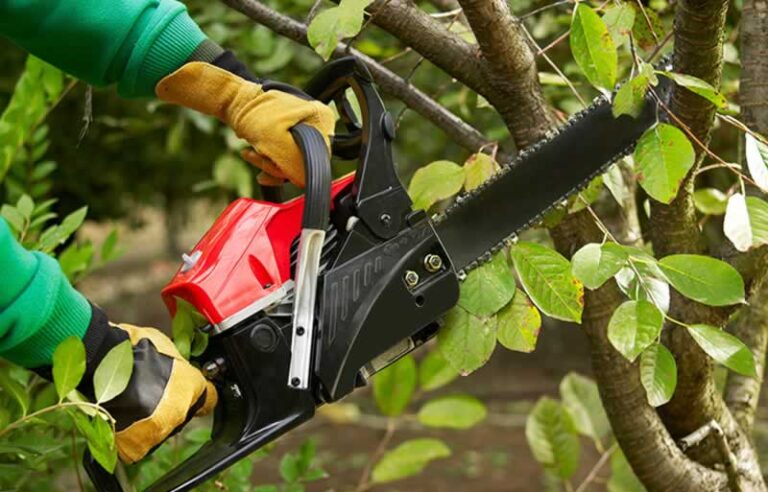
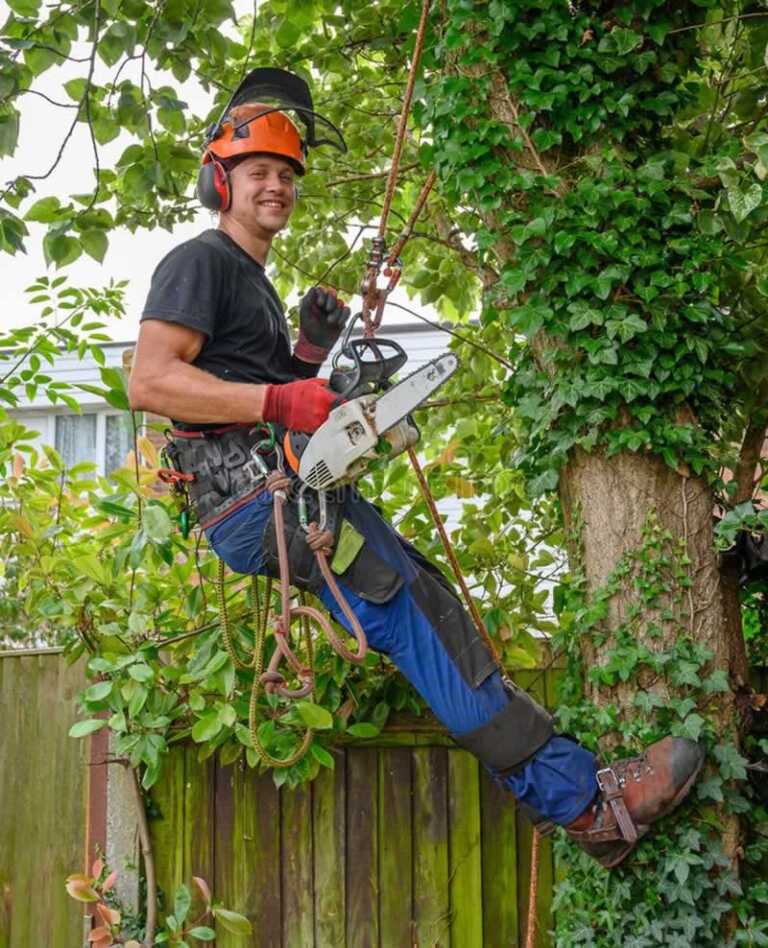
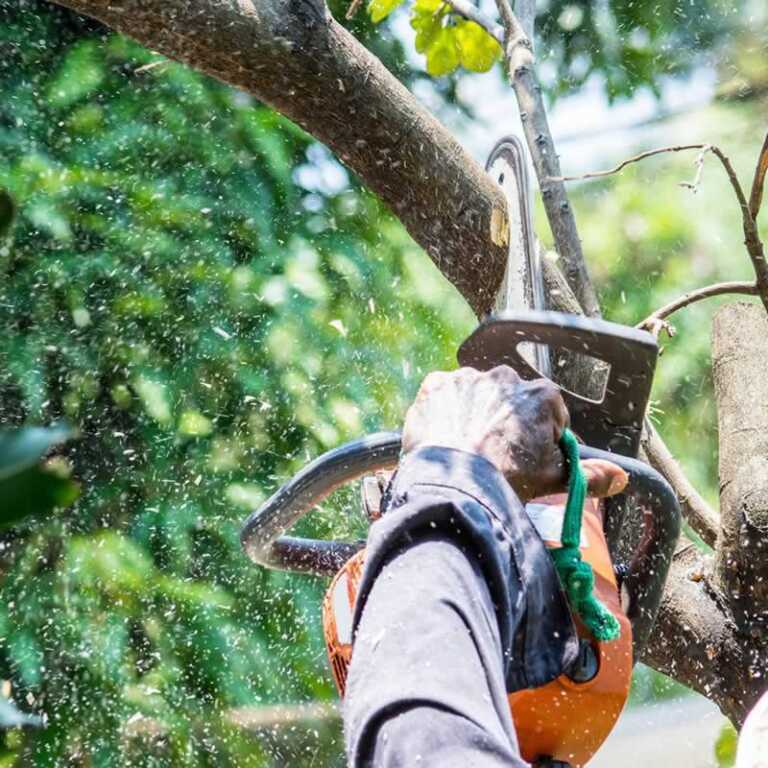
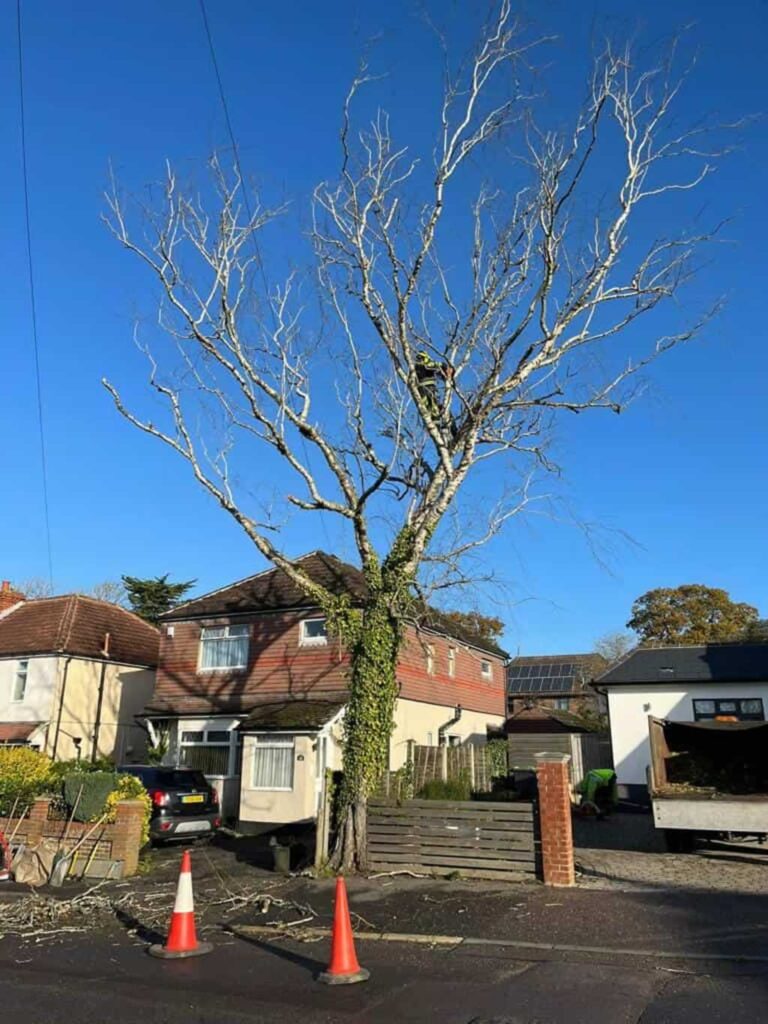
Qualified technicians can also manage tree cutting when removal becomes unavoidable, ensuring it’s done safely and with minimal disturbance to surrounding plants. Always confirm that anyone you hire holds the right qualifications, insurance and references.
Reputable arborists usually belong to recognised organisations, such as the Arboricultural Association or the Royal Forestry Society.
When seeking quotes, ask for clear outlines of the proposed work, including post-treatment care. A well-informed professional not only treats current disease but also helps you prevent it from returning.
Investing in qualified help saves you time, stress, and the heartache of losing a well-loved tree.
Creating Lasting Tree Resilience
Healthy trees depend on balanced care and prevention remains the best form of protection.
Simple, consistent actions encourage strong roots and steady growth, allowing your garden to thrive through every season.
Deep watering during dry spells strengthens roots, while allowing the soil to dry slightly between sessions prevents rot. Furthermore, adding organic compost improves structure and fertility, creating a nurturing environment beneath the surface.
Mulching around the base, leaving a small gap near the trunk, keeps moisture steady and deters weeds. Regular pruning removes dead or crossing branches, opening space for light and air. A light touch each spring can do wonders for the year ahead.
Moreover, soil testing every few years identifies missing nutrients and helps you adjust feeding accordingly. Remember that heavy machinery or compacted footpaths can damage delicate roots, so keep garden traffic light near trunks.
By nurturing the ecosystem around your trees, you also support birds, insects and other wildlife that contribute to the natural balance.
Conclusion
Each tree enhances the landscape, reflecting the care and understanding it receives. With steady attention and timely nurture, it continues to grow with quiet strength.
In its lasting presence lies a gentle reminder of balance, perseverance and the rhythm of the natural world.