While so many individuals around the globe consider themselves gardeners, they are vulnerable to gardening-related accidents or illnesses. Many people may think gardening is a hobby, yet gardening equipment and agricultural chemicals can cause injuries or disease. Even though it appears to be simple and safe, you should exercise care. While working with equipment and chemicals outside, you should protect yourself and take adequate precautions.

This article will examine some of the gardening risks you should be aware of while gardening and gardening precautions. Let’s get this party started.
What are the gardening dangers to be aware of?
The following are some of the safety and health risks associated with gardening:
- Cuts and scrapes
Gardening tools, prickly plants, boulders, and soil debris are the most common causes of cuts and scratches. Scrapes and wounds can generate bleeding, which, if not handled carefully, can lead to common STD diseases when in touch with an infected individual.
- Poisonous substances
Some gardening pesticides and fertilizers affect water sources and pollute the soil. Pollutants such as lead and arsenic are released into the ground, polluting it. Lead is a naturally occurring hazardous metal linked to cardiovascular disorders such as coronary artery disease, heart attack, and stroke. This cardiovascular illness is deadly, particularly heart attacks, requiring immediate CPR first aid to preserve life.
- Back issues
Long hours bending over, tilling the soil, or hauling heavy gardening supplies can strain or hurt your back. In addition, improper lifting and lowering procedures, such as carrying a big bag of mulch with your hands or raking, which demands repetitive actions and an extended period, can result in sprains and fractures.
- Extensive solar exposure
Gardening exposes your body to the sun for an extended time, which can easily result in sunburn. Using sunscreen throughout the day is advisable to avoid dehydration and heat fatigue.

What are the gardening measures that you should take?
Take the following actions to ensure that your garden does not become a danger zone:
- Put on gloves
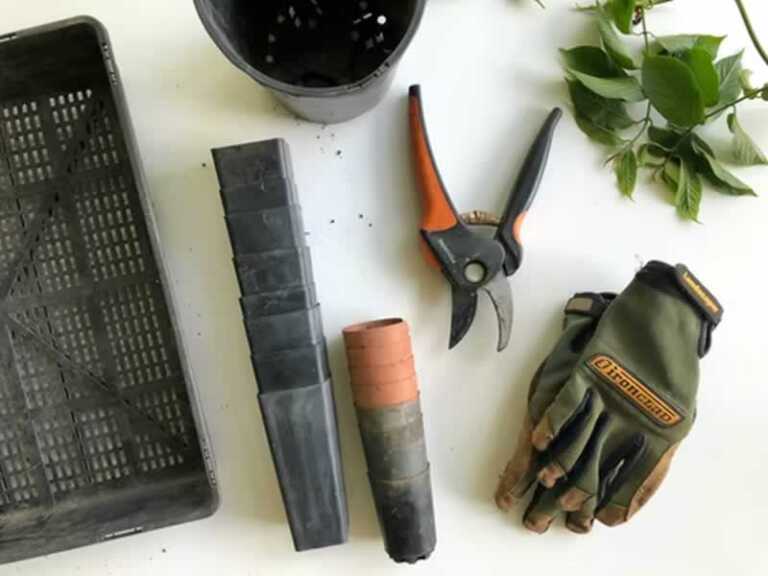
When gardening, gloves can help reduce scorching and protect your skin from fertilizers, germs, fungi, and pesticides. Gloves protect the garden from thorns, items, and bug bites.
- Avoid prolonged repetitive movement
Repetitive activities like digging, raking, or clipping bulbs can irritate the skin and nerves. Ensure you vary your gardening tasks and rotate them every twenty minutes with a little break to avoid using the same muscles again.
- Take the appropriate action in the event of an injury
As a gardener, you are vulnerable to minor injuries while working. If you scratch or cut yourself, rinse it well with fresh water before applying antiseptic with a clean bandage.
- Use the proper tool for the job
Good gardening necessitates using tools, but understanding which tools and equipment are required is critical. It will assist you in avoiding mishaps by utilizing tools for their intended functions. Studying the manufacturer’s instructions for the device is also necessary to understand how to use it.
- Apply a facial mask
Wear adequate protective clothing and a face mask to avoid contamination through your mouth or nose when you spray a pesticide. To minimize additional contamination to others around you, do not leave your body exposed or thoroughly wash the affected portions after spraying.
- Block out the sun
To shield your skin from heat and harsh sunlight:
- Use sunscreen.
- Put on a hat with a broad brim to protect your face, head, ears, and neck from the sun.
- Check the temperature outdoors and determine how long you can endure being in the sun.
Conclusion
So, there you have it; keep the precautions mentioned above to make gardening a pleasurable pastime.