
Do you dream of harvesting your own vegetables, even though you only have a small garden? Growing vegetables can be a rewarding way to save money – all you need is a bit of organisation, creativity and sun!

Here are our 3 tips on how to make the most of your garden space.
Choose the right vegetables for you
Salad leaves are ideal because they’re the easiest edible crop to grow and are super healthy. Simple to harvest, they come in different varieties such as chard, kale and collard greens – the perfect choice if you love a healthy salad bowl. Another winner is cherry tomatoes, which are tasty and easy to grow in a container – making them perfect for small gardens or even balconies. You could also grow edible herbs such as rosemary, basil, mint or coriander. These are easy to maintain but are the perfect ingredient to add some flavour to your dishes. If you fancy harvesting bigger vegetables, you could grow asparagus, leeks, brussels sprouts or even squashes.
Go up!
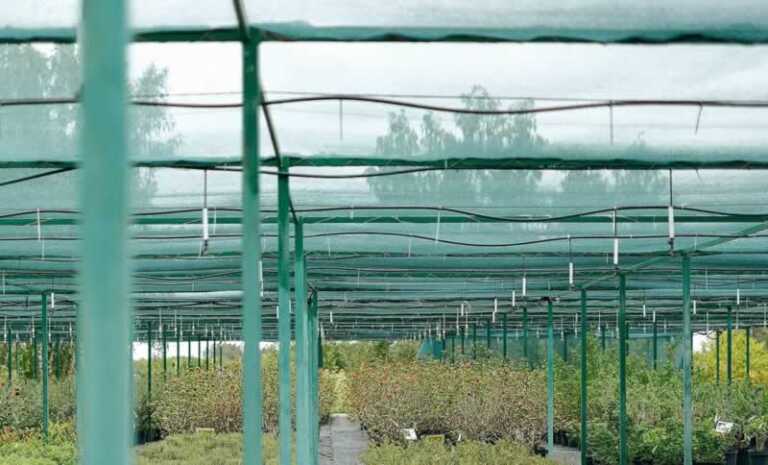
Utilise your vertical space! You can attach planters to walls and fences to aid your grapevines, roses, climbing beans, peas or even vining tomatoes. However, make sure your supports are sturdy enough as some fruits can be very heavy. There are plenty of tricks to make your vegetables grow vertically. You could use A-frames or invest in a living wall, which can be a bit expensive at around £400 per square metre, but it does save a lot of space and is easy to maintain. Also, consider using a shade cloth to protect your vegetables from too much sun.

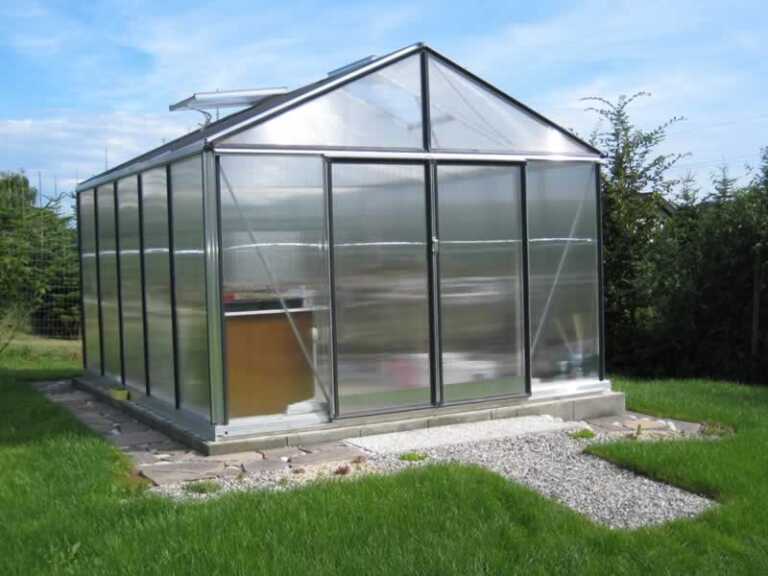
If your garden is big enough, it could be a good idea to invest in a greenhouse or a polytunnel to keep your fruits and veggies safe and help them grow. This would also help you to control the temperature, humidity and ventilation of their environment.
Make it special
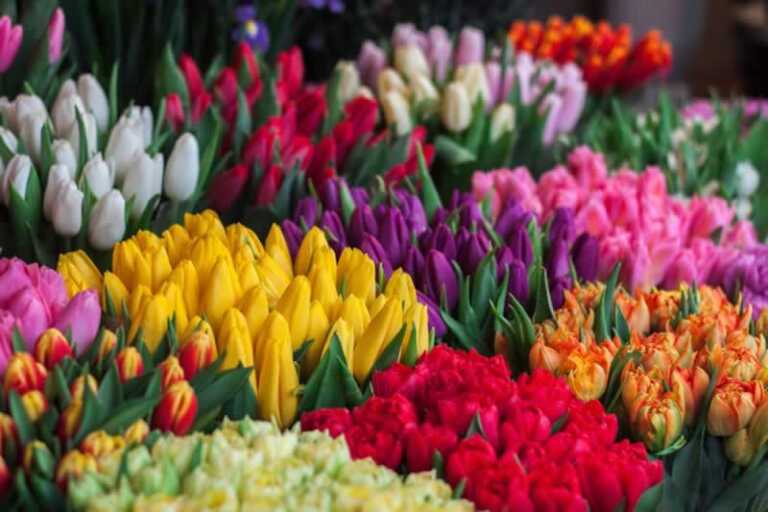
A vegetable patch can quickly look messy and boring. In a small garden, every surface counts so opt for colourful flowers and decorations! Give your garden an entrance – a beautiful rose-covered Arbor could do the trick.
Why not add a little pond to attract beneficial wildlife, such as fish, water lilies or water lettuce? A pretty wooden bench, if space allows, can be perfect to add a little rustic touch, but it can also become your go-to place to relax. If you’re an animal lover, you could also add a bird feeder or a bee hotel.