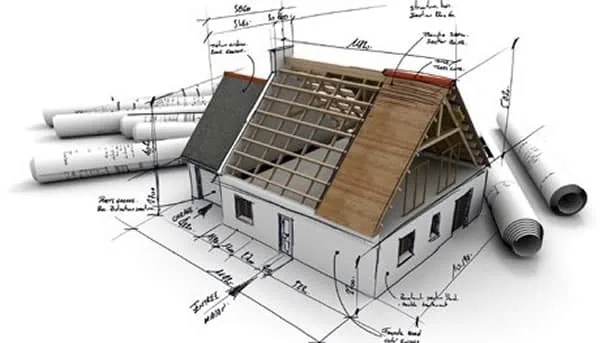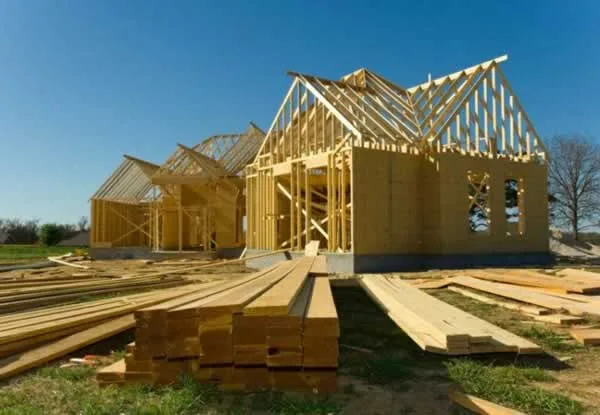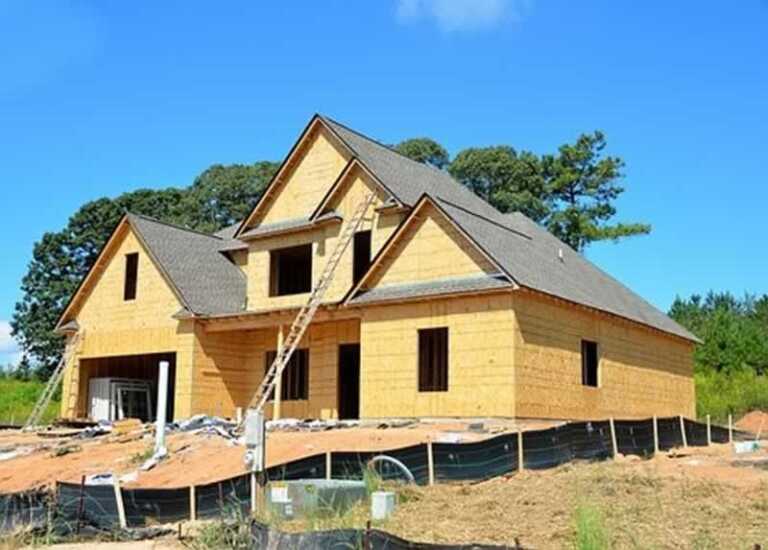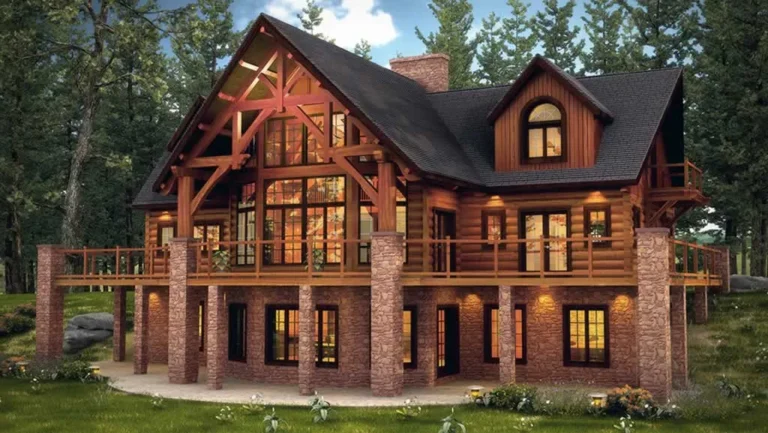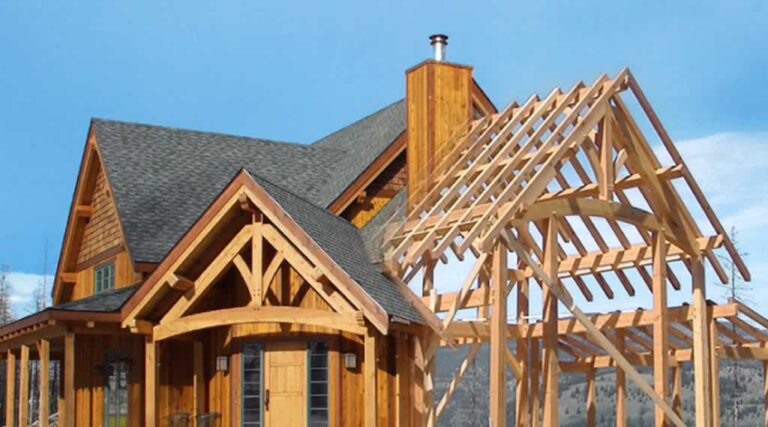

Ask anyone who has been through a custom build that went sideways, and the problem almost never traces back to the construction itself. It traces back to what happened, or didn’t happen, before a single beam was cut. Rushed decisions, vague costing, and permits handled as an afterthought create problems that show up months later as delays, budget overruns, and frustration. This is exactly why experienced cottage builders Ontario homeowners trust treat planning not as a preliminary step before the real work begins, but as the single most important part of the entire build.
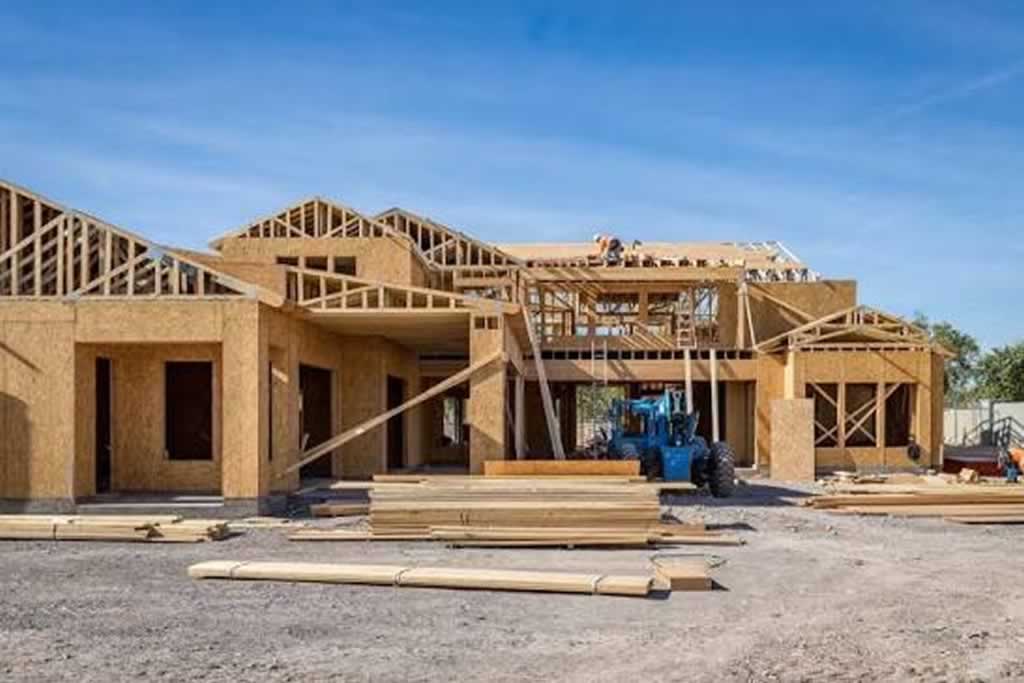
Vague Plans Create Expensive Surprises Later
Every decision made early in a custom build ripples forward into every decision that follows. A vague sense of layout, unclear material choices, or an incomplete understanding of site conditions might feel manageable at the planning stage, but those same gaps tend to resurface later as expensive change orders, timeline delays, or compromises the homeowner never actually wanted to make.
This is one of the clearest reasons thorough planning pays for itself. Working through the details, floor plan, materials, finishes, site-specific considerations, before construction begins costs far less time and money than discovering those same questions mid-build, when changes are harder and more expensive to make.
Estimates and Fixed Pricing Are Not the Same Thing
One of the most important distinctions in custom home planning is the difference between a rough estimate and a genuine fixed-price quotation. An estimate is an educated guess, built quickly and without full detail, which is exactly why so many custom builds end up costing significantly more than homeowners were initially told. A proper fixed-price quotation, built from hundreds of specific line items covering everything from permits to light fixtures, requires far more planning effort upfront, but it gives homeowners a number they can actually rely on.
Skipping this level of detailed planning in favor of a faster, vaguer estimate might feel efficient at first, but it shifts financial risk directly onto the homeowner, risk that thorough planning is specifically designed to eliminate before construction ever begins.
Local Zoning and Regulations Shape What’s Actually Possible
A homeowner’s vision for their home or cottage needs to work within the real constraints of the property and the local regulatory environment, zoning restrictions, building codes, setback requirements, and site-specific conditions all shape what’s actually achievable. Discovering a conflict between a design and local regulations after construction has started is one of the most disruptive and costly problems a custom build can encounter.
Thorough upfront planning, informed by real familiarity with local building departments and regulations, catches these issues early, when adjusting a plan is straightforward, rather than later, when it can mean expensive rework or regulatory delays.
Realistic Timelines Depend on Planning, Not Optimism
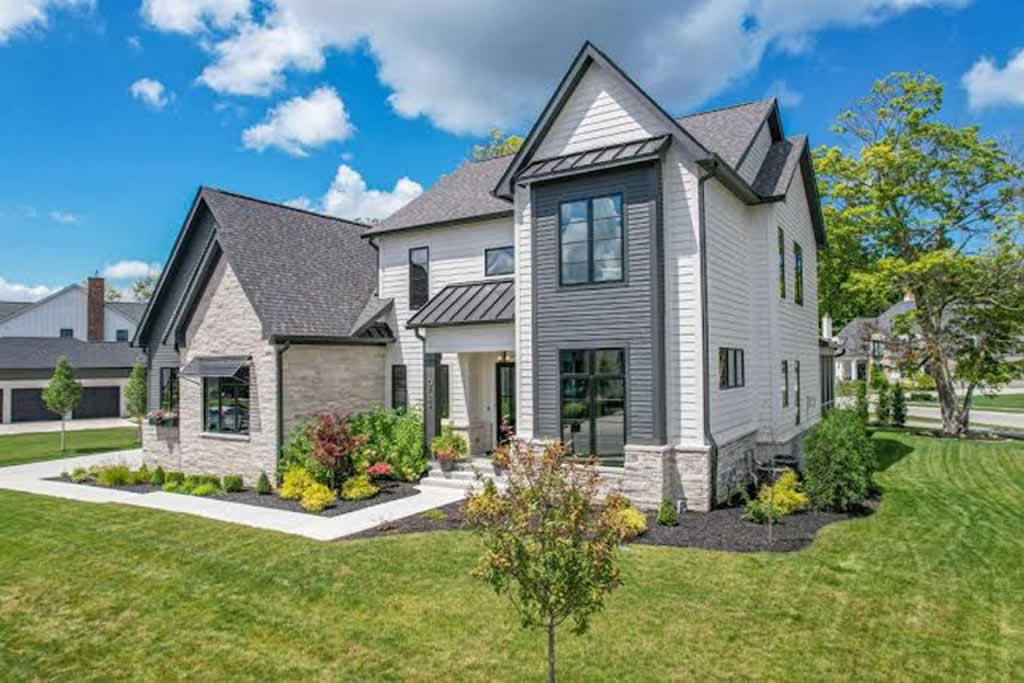
Custom home and cottage timelines are shaped by several factors that need to be accounted for well before groundbreaking: permitting timelines, seasonal considerations like winter weather, and materials availability. A timeline built without carefully considering these factors is really just a hopeful guess, and hopeful guesses are exactly what lead to the frustrating delays homeowners dread most.
A realistic, well-planned timeline, one that accounts for these variables honestly rather than optimistically, sets expectations accurately from the start, which matters enormously to homeowners trying to coordinate move-out dates, financing, or seasonal cottage use around their build.
Planning Reduces Decision Fatigue During Construction
Custom builds involve hundreds of decisions, and making too many of them reactively, during active construction, creates unnecessary stress for homeowners and inefficiency for the build team. When the major decisions, layout, materials, finishes, sequencing, are worked through carefully during the planning phase, construction becomes a matter of executing an agreed-upon plan rather than a constant stream of new decisions made under time pressure.
This shift matters enormously to the overall experience of building a custom home. A well-planned build tends to feel calm and predictable to the homeowner, even during a physically disruptive process, simply because most of the hard decisions were already made thoughtfully, well before construction began.
Good Planning Makes Room for the Right Expertise at the Right Time
Thorough planning also creates space to bring in the right specialists at the right point in the process, architects for complex designs, interior designers to refine finishes and layout, and other specialists as a project requires. Rushed planning tends to skip this step or bring in expertise too late to meaningfully shape the outcome, missing opportunities that early, coordinated planning would have caught.
The Bottom Line
The quality of a custom home or cottage build is determined far more by the planning that happens before construction than by anything that happens once the crew arrives on-site. Detailed costing instead of rough estimating, careful attention to zoning and regulations, and realistic timelines built on real variables rather than optimism all combine to protect a homeowner from the most common and costly problems in custom construction.
For anyone considering a custom build in Ontario’s cottage country, the most valuable investment they can make isn’t in a faster start, it’s in a builder who treats planning with the seriousness it deserves, long before the first shovel goes into the ground.