
Discovering water spraying from a burst pipe under your sink or in your basement can feel like a plumbing emergency that demands immediate action. While pipe bursts are undoubtedly serious problems, panicking often leads to poor decision-making and costly mistakes. Homeowners can take deliberate, methodical steps to manage the situation effectively until professional help arrives. Understanding how to respond calmly and systematically can minimize water damage, protect your home’s structural integrity, and potentially save thousands of dollars in repairs. The following steps cover the essential actions to take when you suspect or discover a pipe burst in your home.
Identify the Location of the Burst
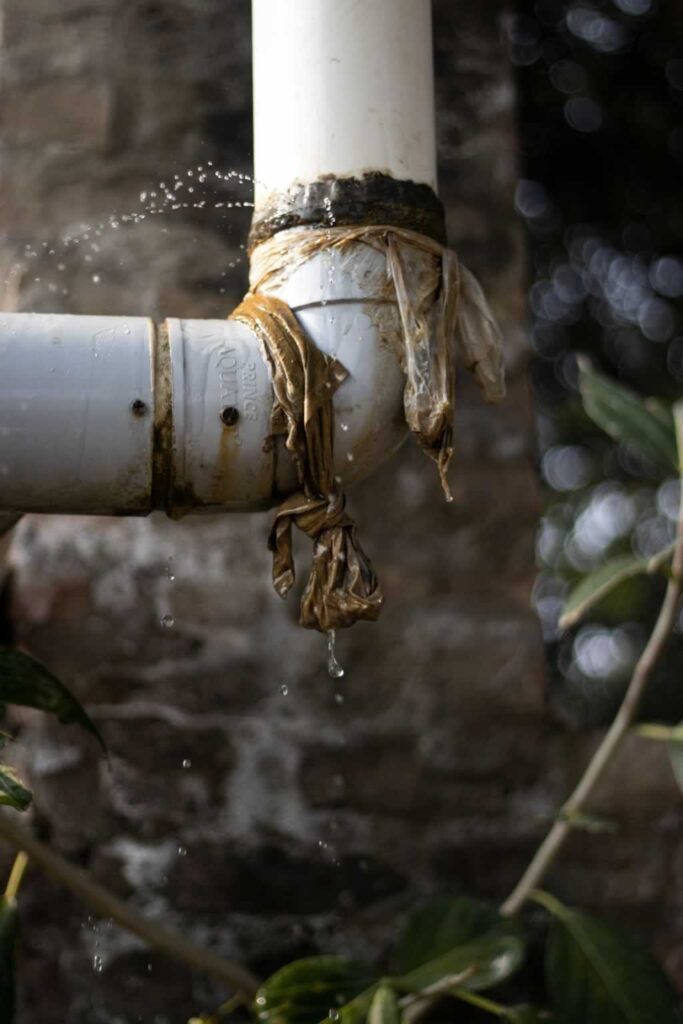
The first step in managing a pipe burst is determining where the damage has occurred. Look for visible signs of water pooling, dampness on walls or ceilings, or water spraying from a specific area. Water stains on drywall or sudden soft spots in flooring can also indicate a burst pipe behind the scenes. Listen carefully for hissing sounds or running water when all fixtures are turned off, which may help you pinpoint the location. If the burst is in an accessible area like under a sink or in a basement, you may be able to see it directly. Take note of the pipe’s material, whether it is copper, PVC, or galvanized steel, as this information will help any plumber diagnose and repair the issue more quickly.
Turn Off the Water Supply Immediately
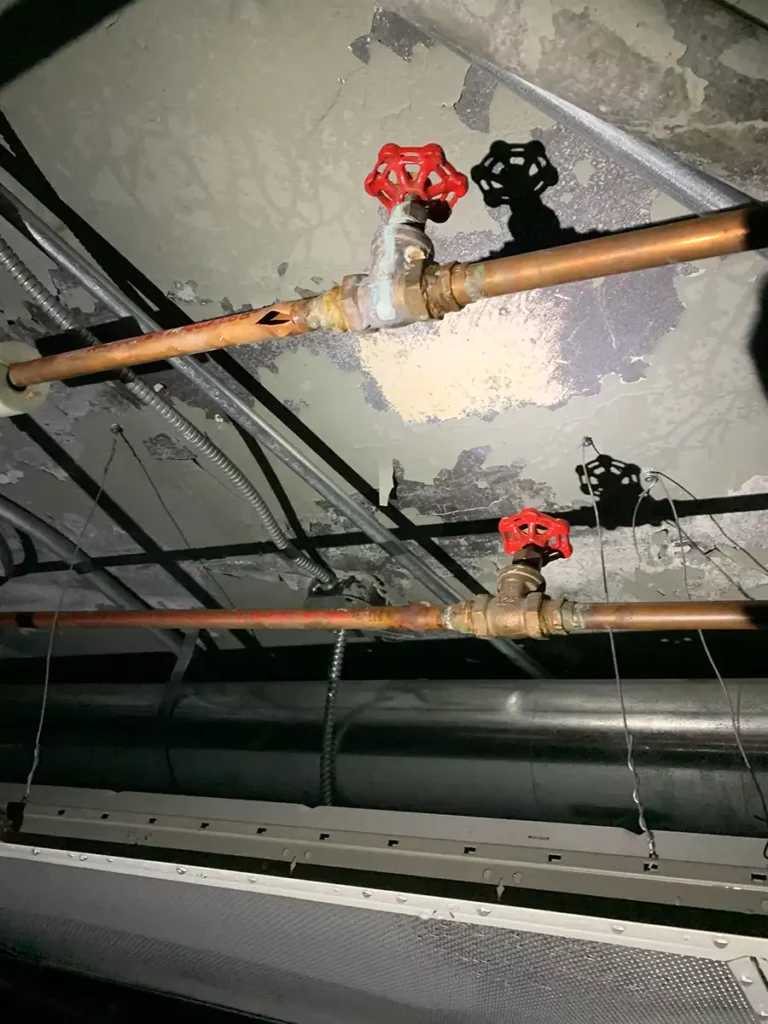
Once you have identified the general area of the burst, your next priority is shutting off the water supply to prevent continued flooding. Locate your main water shut-off valve, typically found near the water meter in a basement, crawlspace, or outside near your foundation. Turn the valve clockwise until it stops, which will cut off the water flowing to your entire home. If you cannot locate or access the main shut-off, look for isolation valves specific to the affected area, such as under-sink shut-offs for kitchen or bathroom pipes. Some homes have multiple shut-off points, so familiarizing yourself with their locations during calmer times makes this step much faster during an emergency. Taking just a few minutes to stop the water flow can mean the difference between minor damage and extensive water intrusion throughout your home.
Document the Damage
Before cleaning anything up, take photographs and videos of the water damage and the burst pipe itself. These images serve as crucial documentation for your insurance claim and help plumbers understand the extent of the problem when they arrive. Capture wide shots showing the affected area as well as close-up details of the burst section itself. Note the date and time the burst occurred, along with your observations about water spread and any areas that appear saturated. Write down a brief description of what you observed, including any unusual smells, sounds, or visible cracks that preceded the burst. This documentation protects you financially and provides valuable information that can speed up the repair process.
Call a Professional Plumber Immediately
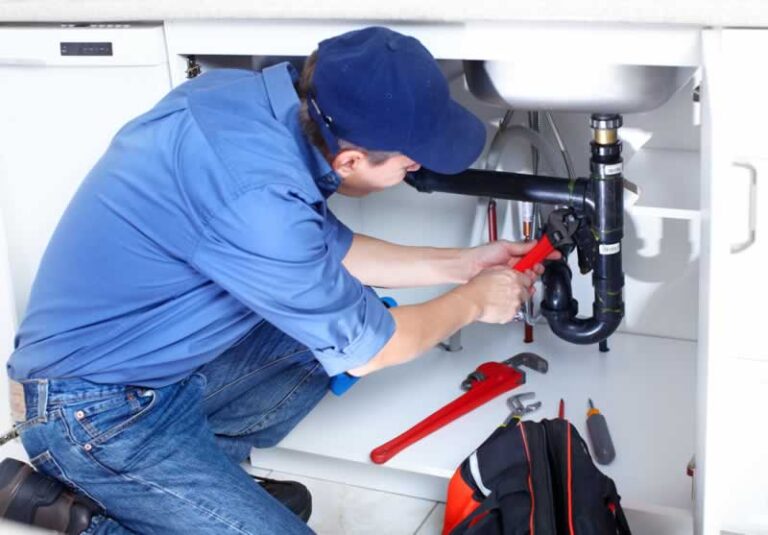
While you have taken preventive steps to stop water flow, a pipe burst requires professional repair expertise that goes beyond temporary fixes. Contacting a licensed plumber immediately ensures that the damaged section gets properly replaced rather than simply patched. Three Way Plumbing technicians draw on their experience as a trusted plumber in Concord, NC to assess whether the burst resulted from freezing, corrosion, pressure issues, or physical damage, and to evaluate whether surrounding pipes show signs of weakness that may warrant preventive replacement. Attempting DIY repairs on burst pipes rarely produces lasting solutions and may void your home warranty or complicate insurance claims. A professional assessment protects your investment and ensures the repair meets local building codes.
Manage Water Cleanup Carefully
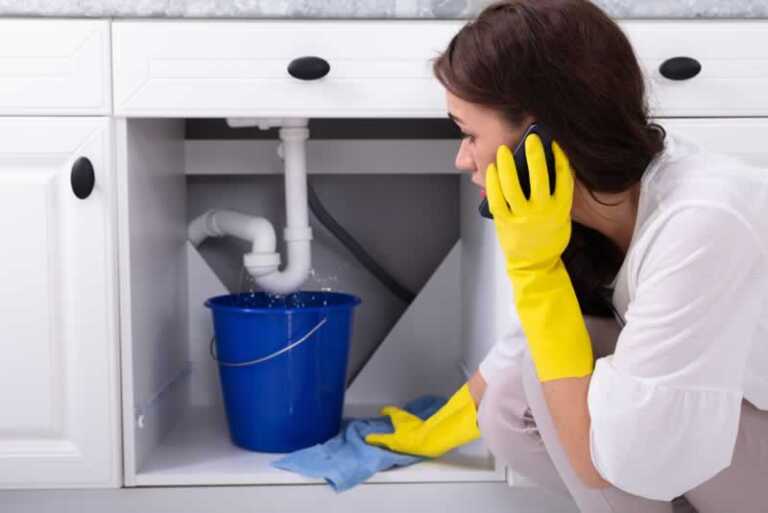
While waiting for the plumber to arrive, begin the water cleanup process to prevent mold growth and further structural damage. Use towels, buckets, and a wet vacuum to remove standing water from the affected area and surrounding spaces. Open windows and doors to improve air circulation, and consider running fans to help dry out wet areas more quickly. Remove any personal items, documents, or electronics from the water-damaged zone to prevent loss. Do not attempt to touch electrical outlets or appliances in wet areas, as this poses a serious safety hazard. If the water damage covers a large area or the water appears discolored or contaminated, contact a professional water restoration company rather than attempting cleanup yourself.
Prevent Future Bursts Through Maintenance
Understanding what caused your pipe burst helps you prevent similar problems in the future. Frozen pipes are a common winter cause, preventable through proper insulation and heat tape on vulnerable sections. Corroded or deteriorating pipes may require full replacement rather than repair, especially if your home has galvanized steel pipes over twenty years old. Sudden pressure spikes from water hammer can stress pipes significantly, and installing pressure regulators offers reliable protection against this problem. Annual plumbing inspections can identify weak sections before they fail catastrophically. Keeping your home at a consistent temperature, maintaining proper water pressure levels, and addressing small leaks promptly all contribute to a longer-lasting plumbing system.
Conclusion
Discovering a pipe burst in your home requires a clear, methodical response that begins with calmly assessing the situation. By shutting off your water supply, documenting damage, calling a professional plumber, and managing cleanup appropriately, you can transform a stressful emergency into a manageable problem. The steps outlined here prioritize protecting your home while ensuring that repairs are handled correctly by qualified professionals. Taking time to implement preventive maintenance measures after the emergency passes will help you avoid future bursts and extend your plumbing system’s lifespan. Professional expertise and prompt action remain your best defense against costly water damage.