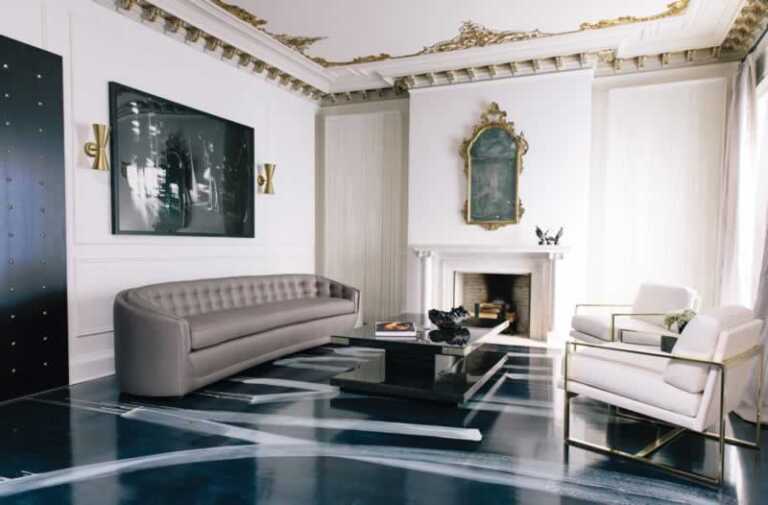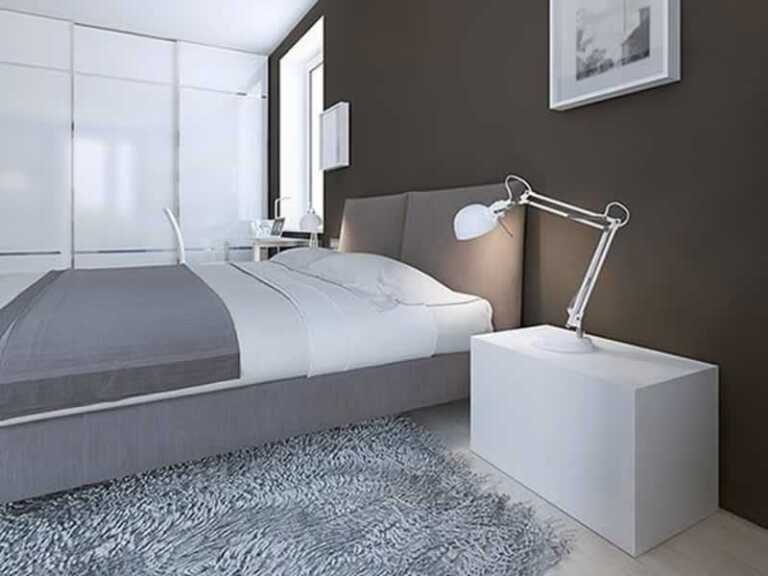

Ceiling design is often an overlooked aspect of interior design, yet it plays a crucial role in defining the overall aesthetic of a home. A well-designed ceiling can add character and depth to a room, making it feel more expansive and inviting. The architectural elements of a ceiling can enhance the visual appeal of a space, drawing the eye upward and creating a sense of grandeur. This is particularly important in modern homes where clean lines and minimalist design are key.
Moreover, ceilings are a blank canvas for creativity. They offer an opportunity to experiment with different styles, patterns, and materials that might seem overwhelming on walls. From intricate moldings to bold color choices, the ceiling can be the perfect place to showcase your personal style. This is especially true in open-plan living spaces where the ceiling can help define and separate different areas without the need for physical barriers.
In addition to aesthetics, ceiling design can also impact the functionality of a space. For example, certain designs can improve acoustics, making a room more comfortable for conversation and entertainment. Others can incorporate hidden storage solutions or integrate with modern technology, such as smart lighting systems. Thus, investing time and resources into ceiling design can yield significant benefits for both the look and usability of your home.
Popular Modern Ceiling Styles
Modern ceiling styles are diverse and innovative, offering something for every taste and architectural style. One popular option is the tray ceiling, which features a recessed central panel that adds depth and interest to a room. This type of ceiling can be further enhanced with lighting or decorative moldings, making it a versatile choice for both contemporary and traditional homes.
Coffered ceilings are another popular option, known for their grid-like pattern of sunken panels. This style adds a touch of sophistication and can make a room feel more structured and elegant. Coffered ceilings work particularly well in formal spaces such as dining rooms and libraries but can also be adapted for modern living areas with the use of sleek, minimalistic materials.

For those seeking a more understated look, flat ceilings with subtle textural elements can be just as impactful. According to the experts from https://nyceiling.com/, smooth plaster or drywall can be complemented with simple, clean lines or gentle curves to create a modern aesthetic. The addition of crown molding or a contrasting paint color can further enhance the visual appeal without overwhelming the space. This minimalist approach is ideal for homeowners who prefer a sleek, uncluttered look.
Materials Used in Modern Ceiling Designs
The choice of materials is a critical aspect of modern ceiling design, as it can influence both the look and functionality of the space. Gypsum board, commonly known as drywall, is a popular choice due to its affordability and ease of installation. It provides a smooth, clean surface that can be painted or textured to suit any design preference. Drywall is also versatile enough to accommodate various architectural features such as arches and curves.
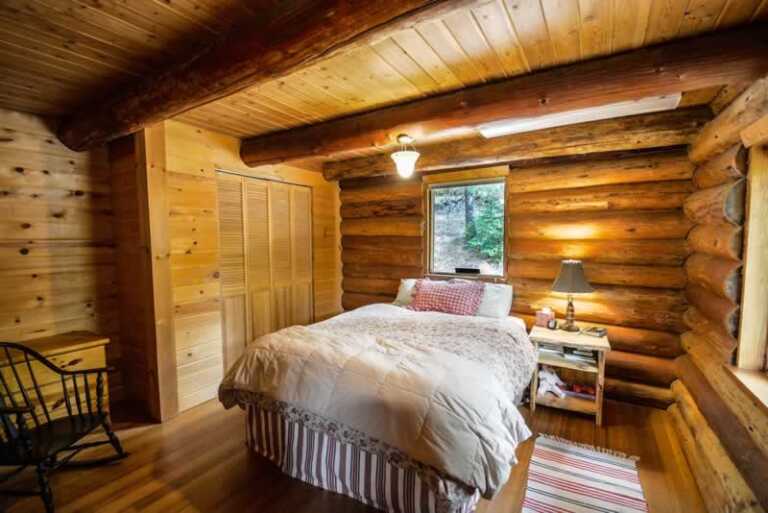
Wood is another favored material, appreciated for its natural beauty and warmth. Wooden ceilings can range from rustic beams to polished panels, offering a wide range of design possibilities. In modern homes, wood can be used to create a striking contrast against minimalist furnishings and decor. Additionally, wood is an excellent insulator, helping to regulate temperature and improve energy efficiency.
Metal ceilings are gaining popularity in modern home design for their sleek, industrial look. Materials such as aluminum and steel can be used to create dramatic, reflective surfaces that add a futuristic touch to any room. Metal ceilings are also durable and low-maintenance, making them a practical choice for busy households. They can be paired with other materials like wood or glass to create a balanced, cohesive design.
Innovative Lighting Solutions for Ceilings
Lighting is a key component of modern ceiling design, capable of transforming the ambiance and functionality of a space. Recessed lighting, often referred to as can lights, is a popular choice for its clean, unobtrusive appearance. These fixtures are installed within the ceiling, providing a sleek look that works well in minimalist and contemporary interiors. Recessed lighting can be strategically placed to highlight architectural features or create zones within an open-plan space.
Pendant lights are another stylish option that can add a touch of elegance to any room. These hanging fixtures come in a variety of shapes, sizes, and materials, making them versatile enough to complement any design scheme. In modern homes, pendant lights are often used in clusters or linear arrangements to create a focal point over dining tables, kitchen islands, or seating areas. The use of dimmers allows for adjustable lighting levels, enhancing the mood and functionality of the space.
For a truly innovative approach, consider integrating LED strip lighting into your ceiling design. These flexible strips can be installed along the edges of tray ceilings, coffered ceilings, or even within grooves to create a futuristic, glowing effect. LED strip lighting is energy-efficient and available in a range of colors, allowing for customizable lighting schemes. This type of lighting is perfect for modern homes where technology and design converge.
Incorporating Color and Texture in Ceiling Designs
Color and texture are powerful tools in ceiling design, capable of transforming the perception of a space. While white and neutral tones are classic choices that can make a room feel larger and brighter, bolder colors can add drama and personality. Painting the ceiling a darker shade can create a cozy, intimate atmosphere, while a pop of color can inject energy and playfulness into the room.
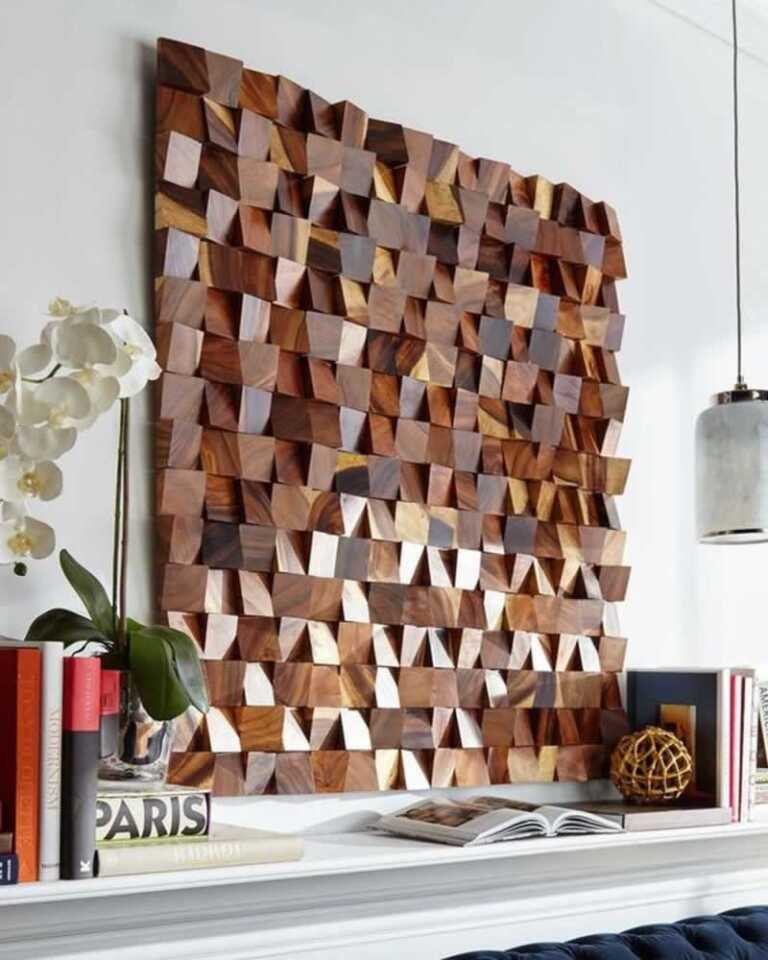
Textures can add depth and interest to an otherwise flat surface. Plaster and stucco are traditional methods for creating textured ceilings, offering a range of finishes from smooth to rough. Modern techniques include the use of textured wallpapers and 3D panels, which can create intricate patterns and designs. These options allow for a high level of customization, enabling homeowners to achieve a unique look that reflects their personal style.
Combining color and texture can yield stunning results. For example, a coffered ceiling painted in contrasting colors can emphasize the architectural details and add visual intrigue. Similarly, a textured ceiling with a subtle metallic finish can catch the light and create a dynamic interplay of shadows. The key is to balance these elements with the overall design of the room to ensure a cohesive and harmonious look.
Tips for Choosing the Right Ceiling Design for Your Space
Selecting the right ceiling design for your home requires careful consideration of various factors, including the room’s size, style, and function. Start by assessing the existing architecture and decor to determine what type of ceiling would complement the overall aesthetic. For instance, a sleek, modern ceiling might be ideal for a contemporary living room, while a more ornate design could enhance a traditional dining area.
Consider the height of the ceiling as well. Higher ceilings can accommodate more elaborate designs, such as coffered or tray ceilings, which add depth and interest. Lower ceilings, on the other hand, may benefit from simpler, more streamlined designs that create the illusion of height. Using light colors and reflective materials can also help make a low ceiling appear taller.
Functionality is another important consideration. Think about how the room is used and what role the ceiling design will play. In a home office, for example, you might prioritize acoustics and lighting to create a comfortable and productive workspace. In a bedroom, you might focus on creating a relaxing atmosphere with soft colors and textures. Ultimately, the best ceiling design is one that enhances both the beauty and functionality of your space.

DIY Ceiling Design Ideas for Homeowners
For homeowners looking to add a personal touch to their ceiling design, there are plenty of DIY ceiling design ideas to explore. One simple yet effective project is painting the ceiling a new color. Whether you choose a bold hue or a subtle shade, a fresh coat of paint can instantly transform the look and feel of a room. For a more dramatic effect, consider painting a pattern or mural on the ceiling.
Another DIY project to consider is installing decorative molding or trim. Crown molding, ceiling medallions, and other ornamental elements can add a touch of elegance and sophistication to any room. These materials are widely available at home improvement stores and can be installed with basic tools and a little patience. For a modern twist, try using geometric shapes or asymmetrical designs.
If you’re feeling more ambitious, consider adding a textured finish to your ceiling. Techniques such as sponge painting, stenciling, and faux finishes can create a variety of effects, from subtle to striking. Textured wallpapers and 3D panels are also great options for adding depth and interest. With a bit of creativity and effort, you can achieve a custom ceiling design that reflects your unique style and enhances your home.
Hiring Professionals for Custom Ceiling Designs
While DIY projects can be rewarding, there are times when hiring a professional is the best option for achieving a high-quality, custom ceiling design. Professional designers and contractors have the expertise and experience to create intricate and complex designs that may be beyond the scope of a DIY project. They can also provide valuable guidance and recommendations based on your specific needs and preferences.
When hiring a professional, it’s important to do your research and choose someone with a strong portfolio and positive reviews. Look for professionals who specialize in ceiling design and have experience with the type of project you’re planning. Ask for references and examples of previous work to ensure they have the skills and expertise to deliver the results you want.
Working with a professional also allows for greater customization and creativity. They can help you explore a wide range of materials, finishes, and design options to create a truly unique and personalized ceiling. From intricate moldings and custom lighting to innovative textures and patterns, a professional can bring your vision to life and elevate your home to new heights.
Conclusion: Transforming Your Space with Stunning Ceilings
In conclusion, ceiling design is a vital yet often overlooked aspect of home aesthetics that can significantly enhance the beauty and functionality of your space, from porch ceiling to the ceiling of your living area. From popular modern styles and innovative lighting solutions to the use of color and texture, there are countless ways to transform your ceilings and elevate your home. Whether you choose to tackle a DIY project or hire a professional, the key is to consider the overall style, function, and architecture of your space to create a cohesive and harmonious design.
By investing time and resources into thoughtful ceiling design, you can create a stunning and inviting home that reflects your personal style and meets your practical needs. So don’t overlook the potential of your ceilings – explore the possibilities and transform your space with stunning modern ceiling designs that elevate your home to new heights.