
Home improvement projects can be exciting, but they often come with unexpected challenges, costs, and delays. Whether you’re renovating a kitchen, adding a deck, or updating your bathroom, practicality should be at the heart of your planning process. A practical approach ensures your project stays within budget, meets your needs, and enhances your home’s value and functionality. By focusing on realistic goals, smart planning, and efficient execution, you can transform your next home project into a rewarding experience.
Start with Clear Objectives
Before diving into any renovation, it’s essential to define what you want to achieve. Are you looking to increase space, improve energy efficiency, or simply update the aesthetics? Clear objectives help guide every decision, from design choices to material selection. Without a defined purpose, it’s easy to get sidetracked by trends or unnecessary upgrades that don’t serve your long-term goals.

Consider creating a list of must-haves versus nice-to-haves. This will help you prioritize features that are essential to your lifestyle and budget. For example, if you’re remodeling a kitchen, a functional layout and durable countertops may be more important than high-end appliances or custom cabinetry.
Budget with Flexibility
One of the most common pitfalls in home projects is underestimating costs. A practical budget should include not only the expected expenses but also a contingency fund for surprises. Plumbing issues, structural repairs, or material delays can quickly derail a tight budget.
To stay on track, research average costs for similar projects in your area and consult professionals for estimates. Be honest about what you can afford and resist the temptation to stretch beyond your means. A well-planned budget allows you to make informed decisions and avoid financial stress down the line.
Choose the Right Professionals
Hiring the right team can make or break your project. While DIY can be rewarding for small tasks, larger renovations often require skilled professionals. General contractors can play a crucial role. They coordinate various aspects of the project, manage subcontractors, and ensure everything runs smoothly and safely.
When selecting a contractor, look for experience, references, and proper licensing. A good contractor will listen to your needs, offer practical solutions, and communicate clearly throughout the process. Don’t hesitate to ask questions or request a detailed timeline and scope of work. Transparency is key to a successful partnership.
Focus on Functionality Over Flash
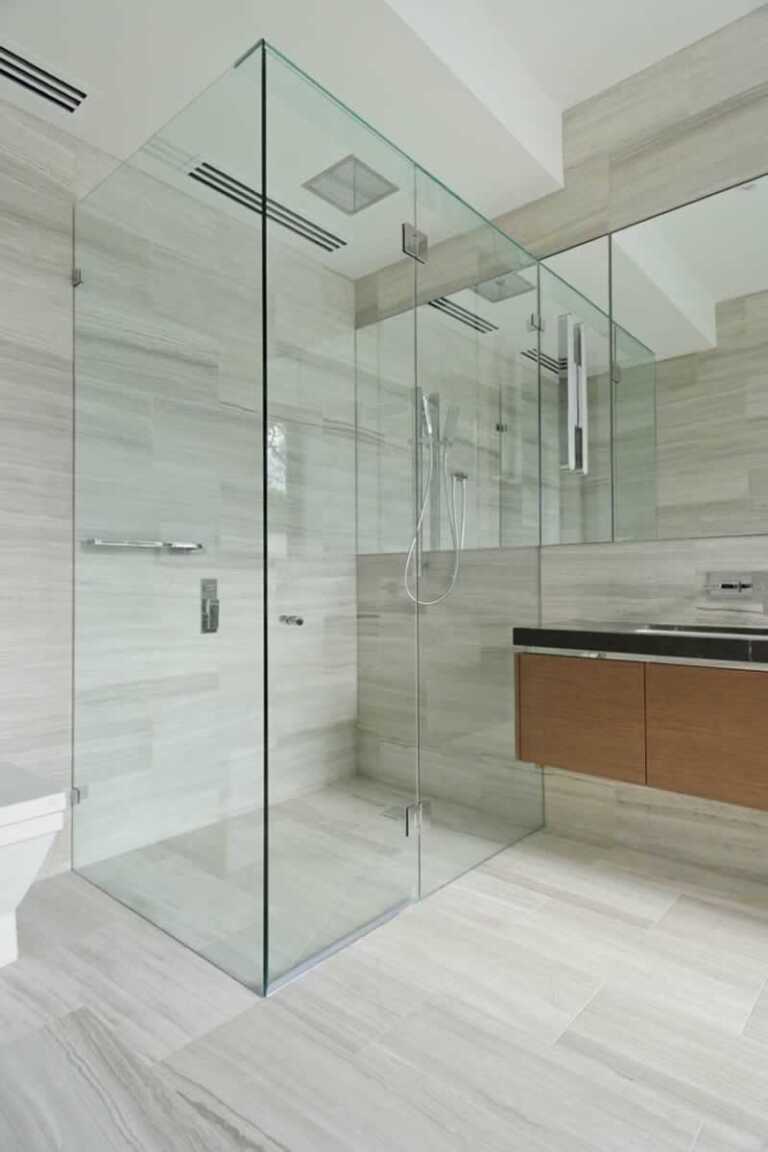
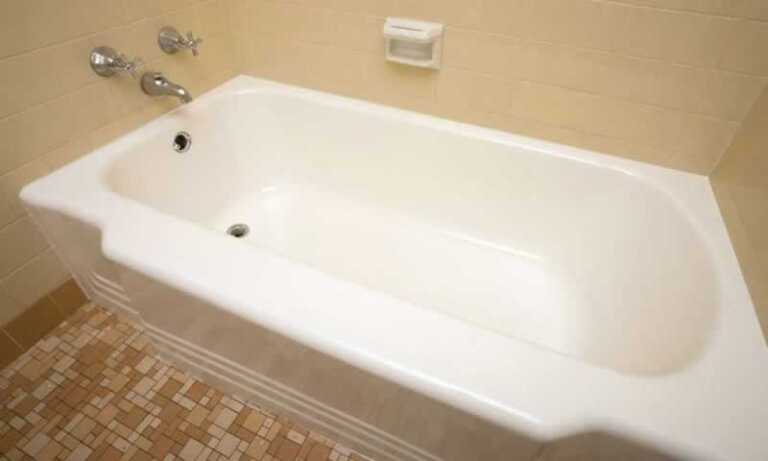
It’s easy to get caught up in design trends and luxury finishes, but practicality should always come first. Think about how you use your space daily and choose features that enhance comfort and efficiency. For instance, in a bathroom remodel, walk-in showers with built-in storage may be more useful than a freestanding tub that rarely gets used.

Materials also matter. Opt for durable, low-maintenance options that can withstand wear and tear. Quartz countertops, vinyl flooring, and energy-efficient windows are examples of choices that balance style with longevity. Practical design doesn’t mean sacrificing aesthetics—it means making smart choices that serve your lifestyle.
Plan for the Long Term
A practical home project isn’t just about immediate needs—it’s about future-proofing your space. Consider how your family might grow or change over time. Will you need more storage, accessibility features, or flexible living areas? Planning with the future in mind can save you from costly renovations later.
Sustainability is another long-term consideration. Incorporating energy-efficient appliances, insulation, and water-saving fixtures not only reduces your environmental impact but also lowers utility bills. These upgrades often qualify for rebates or incentives, adding even more value to your investment.
Conclusion
Making your next home project more practical starts with thoughtful planning and realistic expectations. By setting clear goals, budgeting wisely, choosing the right professionals, and focusing on functionality, you can create a space that truly works for you. Practicality doesn’t mean compromising on style—it means building a home that supports your life today and tomorrow. With the right approach, your renovation can be both beautiful and smart.