
There are so many techniques when it comes to basement waterproofing. Some of them are more effective and safer than others, while the rest don’t truly deliver the results you need. If you choose to do this job yourself or hire a professional, you should be aware of some mistakes that can make the problem more complicated than it already is.

Hence, here are six basement waterproofing mistakes you want to avoid as much as possible.
1. Waiting Too Long
In case you don’t know, mold can quickly grow after just a day once there’s too much moisture in the basement. If you don’t address this issue early on, mold growth can lead to even more serious problems. It can also decrease the resale value of your property by as much as 25%. If you’re waterproofing after a recent flood, ensure that you completely get rid of all the water and moisture before starting the task.
2. Relying On Waterproof Paint Alone
One of the most common mistakes that DIY enthusiasts make is using waterproof paint alone. While it is effective in protecting the basement’s wall from damage, you should never rely on it alone to waterproof the entire area. Depending too much on the paint for a quick fix can only lead to lime growth on the walls which causes the paint to bubble and crack sooner. This is quite troublesome especially if your basement has concrete walls and floors. It’s also worth noting that waterproof paint doesn’t last long. After a while, it will just flake off, leaving you with the same problem all over again. To avoid this from happening, you should explore other potential solutions beyond waterproof paint. You can also consult a waterproofing expert to assist you in figuring out the best long-lasting solution for your basement.
3. Choosing A Waterproofing Professional Based On Cost
There’s nothing wrong with trying to get a good deal, but you should also be careful. What this means is that you should never choose a basement waterproofer based on the price alone. Don’t hire a contractor that claims they have the lowest price in town because their services are probably bad. Choosing a company based solely on the price of their services will likely lead you to a low-quality contractor. Instead, find a reputable and experienced professional in your area that offers the most services at the best rate.

4. Ignoring The Gutters
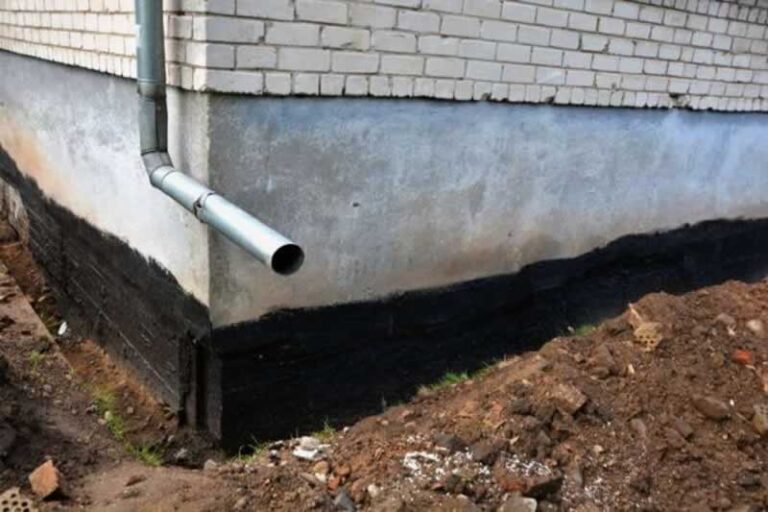
As rain falls, your property’s first line of defense to prevent flooding is your gutter system. Persistent rainfall can saturate the ground around your property which affects the house’s foundation. As the saturation continues, moisture will eventually find its way into your home. In this case, your basement! If you’re waterproofing your basement, you should never focus on it alone. You should also address where water and moisture might enter so that they won’t leak into the basement. Check the gutters and downspouts if they are working well and trace the root cause of water leakage in your basement. By doing so, you can prevent getting a more comprehensive waterproofing service later on.
5. Not Giving Enough Time For the Basement To Dry Out
This is important, especially if you’re looking to do this task on your own. It’s important that you allow the basement to dry out properly before you start any waterproofing procedure. Some parts of the basement such as the walls or flooring may need to be replaced before you start the waterproofing process. Take note that water can weaken and cause damage to your home’s foundation. So, it’s important that you check the whole area thoroughly first.
6. Not Considering The External Landscape
Most homeowners only focus on the basement and forget about external factors which is a big mistake. When waterproofing, it’s essential to consider the landscape outside as well and ensure that it can reroute water away from your house. The soil or concrete outside your home should be sloped to prevent water (such as rain) to flow inside your residence. It’s even recommended that you redirect water from gutters and downspouts, especially if you have a driveway. You can even dig a trench if you want so you can drain excess water around your property so that it won’t leak into your home or basement.
Final Thoughts
If you’re a bit hesitant to do this on your own, don’t be scared to seek guidance from a professional to ensure proper basement waterproofing. Also, keep these tips in mind so your basement can stay dry and free from damage for years to come.