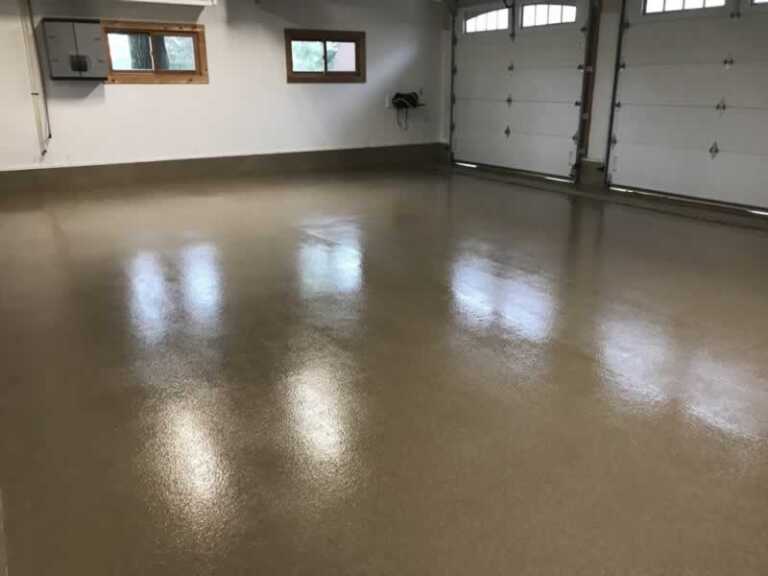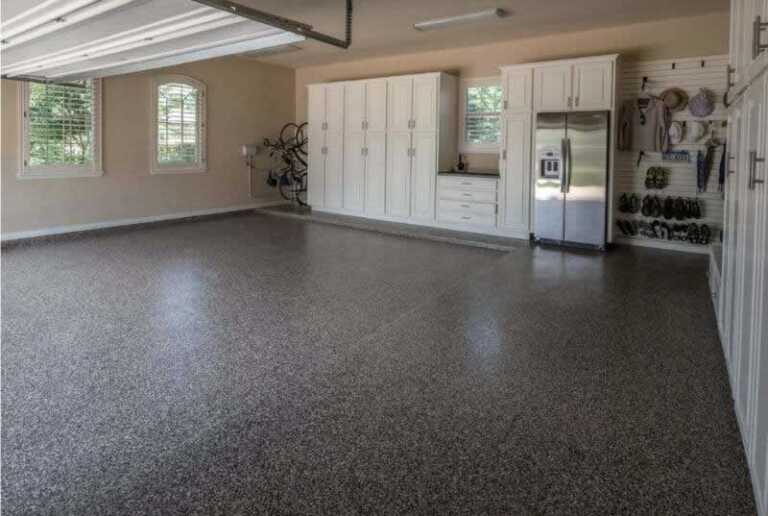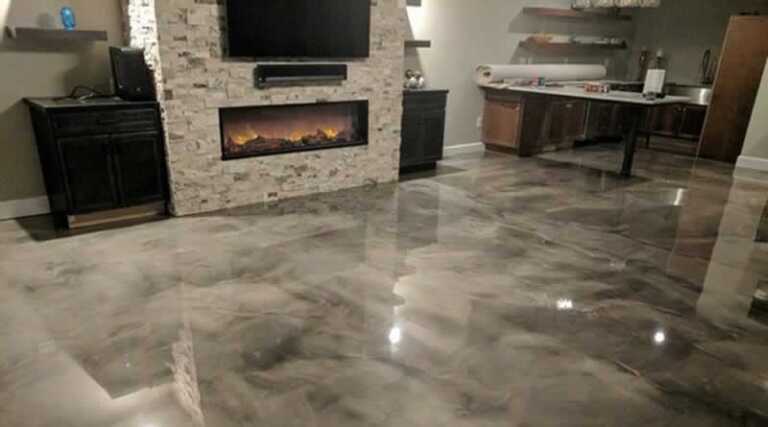
When it comes to commercial spaces, first impressions matter, and your flooring plays a crucial role in setting the tone. Epoxy flooring is not just a stylish choice; it’s durable, easy to maintain, and can withstand heavy foot traffic. However, to keep your floors looking pristine and to prolong their lifespan, regular maintenance and cleaning are essential. In this guide, we’ll explore the best practices for maintaining and cleaning commercial epoxy flooring, ensuring that your floors maintain their shine and integrity for years to come. From understanding the right cleaning products to scheduling routine inspections, these expert tips will empower you to protect your investment and enhance the aesthetic of your workspace. Whether you’re managing a bustling warehouse or a sleek office, discover the secrets to achieving a polished and professional environment that impresses both employees and customers alike.
Understanding the Composition of Epoxy Flooring
To effectively maintain and clean epoxy flooring, it is essential to understand its composition and how it differs from other flooring types. Epoxy flooring is created by combining epoxy resin with a hardening agent, resulting in a chemical reaction that forms a rigid plastic material. This material adheres tightly to the concrete substrate, creating a strong and durable surface that is resistant to damage. The unique composition of epoxy flooring provides it with its characteristic toughness and longevity.
The epoxy resin used in flooring is typically a two-part system consisting of a base resin and a curing agent. When these two components are mixed together, they undergo a chemical reaction called polymerization, which forms a hard, solid material. The curing process is what gives epoxy its strength and durability, making it an ideal choice for high-traffic areas and environments that require a robust flooring solution. Additionally, the seamless nature of epoxy flooring helps to prevent cracks and crevices where dirt and bacteria can accumulate, contributing to its hygienic properties.
Furthermore, epoxy flooring can be enhanced with various additives and coatings to improve its performance and appearance. For example, anti-slip additives can be incorporated to provide better traction and reduce the risk of accidents in wet or oily conditions. Decorative flakes or metallic pigments can be added to create unique and visually appealing designs. Understanding the composition and potential enhancements of epoxy flooring can help businesses make informed decisions about the best type of epoxy for their specific needs and how to properly care for it to maintain its integrity and appearance.
Commercial Epoxy Flooring Company offers epoxy floors that isn’t that hard to maintain. Actually, they are installed in many commercial areas because they are easy to clean and maintain. Here are some of the top ways for cleaning commercial epoxy flooring.

Daily Maintenance Tips for Epoxy Floors
Maintaining the pristine condition of epoxy flooring requires consistent daily maintenance practices. One of the simplest yet most effective ways to keep epoxy floors clean is through regular sweeping or vacuuming. This helps to remove dust, dirt, and debris that can accumulate on the surface and potentially cause scratches or abrasions. Using a soft-bristle broom or a vacuum with a soft brush attachment is recommended to avoid damaging the epoxy floor coating.
In addition to sweeping, daily mopping with a mild detergent solution can help to maintain the shine and cleanliness of epoxy floors. It is important to use a pH-neutral cleaner that is specifically formulated for epoxy surfaces, as harsh chemicals or abrasive cleaning agents can cause the epoxy to deteriorate over time. Diluting the cleaner according to the manufacturer’s instructions and using a microfiber mop will ensure that the floor is effectively cleaned without leaving behind any residue or streaks.
Another important aspect of daily maintenance is addressing spills and stains promptly. Epoxy flooring is resistant to most spills, but it is still crucial to clean up any liquids or substances as soon as possible to prevent staining or potential damage. Using a soft cloth or paper towel to blot the spill and then mopping the area with a mild detergent solution can help to maintain the floor’s appearance. By incorporating these daily maintenance tips into your routine, you can ensure that your epoxy floors remain in excellent condition and continue to enhance the look of your commercial space.
General Maintenance Tips
- You should mop the floors once every week using a dust mop. It’s the best way to remove the dust and dirt very gently to prevent scratches and protect the floor.
- Make sure you vacuum the joints once every month. You can add a crevice tool to your vacuum to clean the saw cuts or construction joints effectively. You can also use a stiff bristle broom instead of a vacuum.
- Any spills on commercial epoxy floors should be cleaned immediately with a soft cloth. If you leave the spills for a long time, they will damage your floors. You can use a gentle cleanser on the soft cloth for the sticky spills or those that leave a film.
Deep Cleaning Tips
- You should do a deep cleaning of commercial epoxy flooring every 3 months. It’s a great way to keep them in shape. To do this effectively, move everything out of the way.
- For deep cleaning purposes, you need to choose the right cleaning solution. You can opt for a biodegradable and non-toxic cleanser or ammonia. Make sure you mix the cleaning solution with water for the best results.
- Use a hard foam mop when cleaning the floor. Use the cleaning solution together with hot water for effective cleaning.
- Now you can rinse the floor once you are done. Here, you can rinse the mop and use warm water to remove any leftover cleaning solution or detergent. Use a soft towel to dry the floor completely.

How To Remove Stains On Epoxy Floors
- Use a stiff nylon brush to scrub the stubborn spots on the floors. You can spray the area with cleaning solution then scrub repeatedly until the stains are completely gone. Use a dry towel after rinsing the area with water to dry it off completely.
- Use a lactic-acid based cleanser to remove any rust stains or salt films on the commercial epoxy floors. Use a regular brush to scrub the area and rinse it using cold water. Make sure the cleanser doesn’t sit for more than 2 minutes on the floor.
- Use a concrete degreaser to remove the tire marks. Let it sit in the floor for at least 5 minutes then clean the floor using a stiff nylon brush. Use a dry towel to dry off the floors after rinsing with water. Remove the tire marks immediately to avoid any build up if they stay longer.
Don’t use cleansers that contain citrus oil or vinegar for cleaning since these substances are abrasive and will damage the floors. Don’t use soapy cleansers or soap since they can leave streaks on the floor making it slippery and dangerous. If you are to park vehicles for a long time on the epoxy floors, make sure that each tire sits on a carpet or a piece of cardboard to prevent any tire marks or persistent stains.
Recommended Cleaning Products for Epoxy Flooring
Choosing the right cleaning products is crucial for maintaining the integrity and appearance of epoxy flooring. Not all cleaners are suitable for use on epoxy surfaces, and using the wrong products can lead to damage or deterioration over time. To ensure the longevity and shine of your epoxy floors, it is important to use products that are specifically formulated for this type of flooring and to follow the manufacturer’s recommendations.
One of the most important factors to consider when selecting cleaning products for epoxy flooring is the pH level. A pH-neutral cleaner is ideal for epoxy surfaces as it is gentle and will not cause any adverse reactions. Harsh chemicals, acidic or alkaline cleaners, and abrasive agents should be avoided as they can damage the epoxy coating and reduce its lifespan. Mild detergents or specialized epoxy floor cleaners are excellent options for routine cleaning and maintenance.
In addition to pH-neutral cleaners, there are also specific products designed to address common issues such as grease, oil, and stains. Degreasers formulated for epoxy flooring can effectively break down and remove tough grease and oil stains without harming the surface. When using any cleaning product, it is important to test it on a small, inconspicuous area first to ensure it does not cause any damage or discoloration. By selecting the right cleaning products and using them correctly, you can keep your epoxy floors looking pristine and extend their longevity.
Common Mistakes to Avoid When Cleaning Epoxy Floors
While epoxy flooring is known for its durability and low maintenance requirements, there are common mistakes that can inadvertently cause damage or reduce the lifespan of the flooring. Being aware of these mistakes and taking steps to avoid them can help you maintain the pristine condition of your epoxy floors and protect your investment.
One of the most common mistakes is using the wrong cleaning products. Harsh chemicals, abrasive cleaners, and acidic or alkaline solutions can degrade the epoxy coating and cause it to lose its shine and durability. Always use pH-neutral cleaners specifically formulated for epoxy flooring to avoid any adverse reactions. Additionally, avoid using abrasive cleaning tools such as steel wool or rough brushes, as they can scratch and damage the surface.
Another mistake to avoid is neglecting regular maintenance. While epoxy flooring is relatively low maintenance, it still requires consistent care to keep it looking its best. Failing to sweep or mop regularly can lead to the buildup of dirt, dust, and debris, which can cause scratches and wear over time. Establish a routine cleaning schedule and adhere to it to prevent these issues.
Improper handling of spills and stains is another common mistake. Allowing spills to sit for an extended period can lead to staining and potential damage to the epoxy surface. Always clean up spills promptly using a soft cloth or paper towel, followed by mopping the area with a mild detergent solution. Addressing stains as soon as they occur can help prevent them from becoming permanent and maintain the floor’s appearance.
By avoiding these common mistakes and following best practices for cleaning and maintenance, you can ensure that your epoxy floors remain in excellent condition and continue to enhance the look of your commercial space.
Conclusion
Maintaining and cleaning commercial epoxy flooring is essential for preserving its durability, appearance, and longevity. By understanding the composition of epoxy flooring and following best practices for daily maintenance and deep cleaning, you can keep your floors looking pristine and enhance the overall aesthetic of your commercial space. Avoiding common mistakes and using the right cleaning products are crucial steps in protecting your investment and ensuring the floor’s integrity.
Incorporating a seasonal maintenance checklist can help you address the unique challenges each season brings and prevent potential damage. Regular inspections and prompt attention to spills and stains are key to maintaining the floor’s appearance and prolonging its lifespan. Additionally, considering professional cleaning services for periodic deep cleaning and addressing specific issues can provide an extra layer of protection and ensure thorough and effective maintenance.
By following the expert tips and guidelines outlined in this ultimate guide, you can achieve a polished and professional environment that impresses both employees and customers alike. Epoxy flooring offers numerous benefits for commercial spaces, and with proper care and maintenance, it can continue to provide a durable and attractive flooring solution for years to come. Invest in the longevity and shine of your epoxy floors, and enjoy the lasting benefits of a well-maintained and visually appealing commercial space.