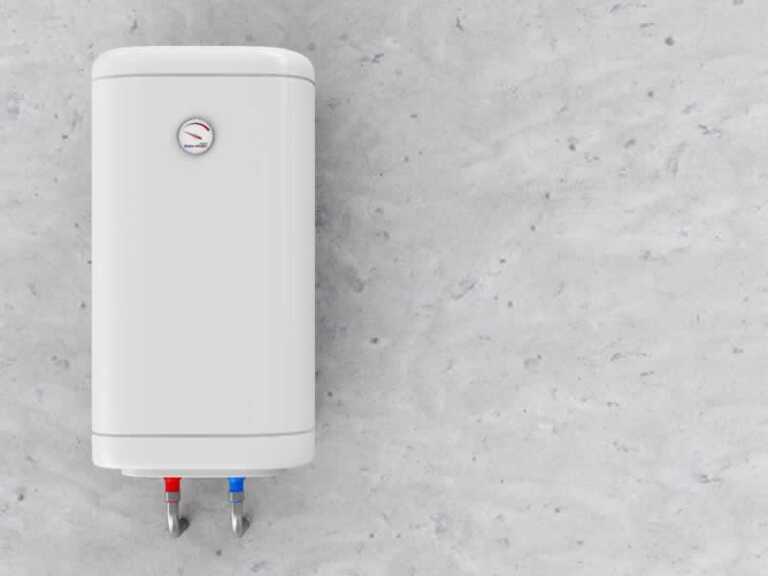

Your water heater is essential for providing your home with warm water to cook, bathe, clean, and wash clothes with. If you want to ensure that your water heater runs smoothly and lasts for a long time, it is important to take care of it properly. The last thing you want to do is find out that your water heater has stopped working in the middle of a shower.

You’ll need to give your water heater some care and maintenance regularly to avoid certain issues and premature failure. Let’s take a look at maintaining your water heater.
Clean the water heater tank
As part of your regular maintenance routine, you should clean the tank and remove any sediment. Not only will excess sediment affect the performance of your water heater, but it can also be a fire hazard. If enough sediment builds up in the bottom of the tank, you may discover your water heater leaking. To clean your tank, you’ll need to shut off the power to the water heater by turning off the breaker. Next, you need to turn off the cold water valve to the water heater and then open the pressure relief valve to release any pressure that may be built up in the tank. Drain the water heater by attaching a garden hose to the drain valve and opening the valve. Once the tank is empty, you can clean the sediment out of the water heater by using a broom to sweep it into a bucket or using a shop vacuum. Finally, you will want to rinse the inside of the tank and then refill it. Your water heater will last around 10 years. However, over time your water heater will collect sediment. If left alone, sediment could cause the tank to rust and leak, and you will require a new water heater prematurely. It is suggested that you clean your water heater at least once a year.
Inspect and replace the anode rod
If you want to ensure that your water heater is working as efficiently as possible, you will need to inspect and replace the anode rod on a regular basis. The anode rod is a metal rod that is inserted into the water heater to protect the tank from corrosion. The rod will eventually corrode, and when it does, it will release metals into the water. These metals can be harmful to your health, so it is important to replace the anode rod on a regular basis.

The procedure for inspecting and replacing the anode rod is fairly simple. You will need to shut off the water supply to the water heater and then drain the tank. Once the tank is drained, you can remove the anode rod. Inspect the rod for corrosion and then replace it if necessary. Be sure to tighten the rod securely before re-filling the tank with water. If you are unsure how to inspect and replace the anode rod on your water heater, be sure to consult the owner’s manual or contact a professional technician.
Check the pressure relief valve
Another way to maintain your water heater is to check the temperature-pressure relief valve. This valve is responsible for releasing water and steam if the pressure in the tank gets too high. If the valve is not working properly, it could cause the tank to burst. You should also check the hose that leads from the valve to the drain. This hose should be checked for kinks or damage, and it should be replaced if it is damaged. If you are having problems with your water heater, you should call a professional to help you fix it. A professional can help you determine what is causing the problem and can help you fix it.