
Installing laminate flooring is a popular DIY project for many homeowners. Not only does it give your home a fresh new look, but it can also increase the value of your property. However, laying down laminate flooring can be a daunting task, especially if you’re not sure where to start.

In this blog post, we’ll share with you five pro tips to help you install laminate flooring quickly and easily. We’ll cover everything from choosing the right type of laminate flooring to following the installation instructions carefully.
5 Pro Tips for Fast and Easy Laminate Flooring Installation
1. Choose the Right Type of Laminate Flooring
The first step to installing laminate flooring is choosing the right type of flooring for your home. Laminate flooring comes in a variety of styles, colors, and textures, so it’s important to choose one that complements your home’s décor.

When selecting your laminate flooring, you’ll want to consider the following factors:
- The room where the flooring will be installed
- The traffic in the room
- The subfloor
- The installation method
For example, if you’re installing laminate flooring in a high-traffic area like the kitchen or entryway, you’ll want to choose flooring that’s durable and easy to clean. You should also consider the thickness of the flooring, as thicker flooring will provide better sound insulation and comfort underfoot.
2. Acclimate Your Laminate Flooring
Before you start installing your laminate flooring, you need to acclimate it to the room where it will be installed. This is important because laminate flooring can expand and contract depending on the temperature and humidity levels in the room. To acclimate your laminate flooring, you should leave the unopened boxes of flooring in the room where it will be installed for at least 48 hours. This will give the flooring time to adjust to the room’s temperature and humidity levels.
3. Measure Twice, Cut Once
It’s an old adage that holds true for laminate flooring installation. Accurate measurements are crucial for a seamless installation. Make sure you have the right tools for the job, such as a feet and inches calculator, measuring tape, and a square. Take accurate measurements of the room’s length and width and add an extra 10% for cutting and wastage.

4. Use the Right Tools and Materials
The right tools and materials are essential for a successful laminate flooring installation. Here are some tools you’ll need for the job:
- Saw: You’ll need a saw to cut the laminate to the correct size. A jigsaw or circular saw with a fine-toothed blade is ideal.
- Spacer: Spacers are used to maintain the correct distance between the wall and the laminate. This allows the laminate to expand and contract as needed.
- Underlayment: An underlayment is a layer of material that goes between the subfloor and the laminate. It provides a smooth surface for the laminate to rest on and helps to absorb sound.
- Measuring Tape: A measuring tape is essential for taking accurate measurements of the room.
- Pry Bar: A pry bar can be used to remove old flooring or trim.
- Safety Gear: Safety gear, such as gloves and safety glasses, is essential when using power tools.
- Spatula: A spatula can be used to apply adhesive or to remove excess glue.
5. Follow the Installation Instructions Carefully
Follow the installation instructions carefully when installing laminate flooring. This will ensure that your flooring is installed correctly and will last for years to come.

The installation instructions will vary depending on the type of laminate flooring you’re using, but in general, you’ll need to:
- Prepare the subfloor: Make sure the subfloor is clean, dry, and level before you start installing the laminate flooring.
- Lay the underlayment: Lay the underlayment over the subfloor, making sure to overlap the seams by a few inches.
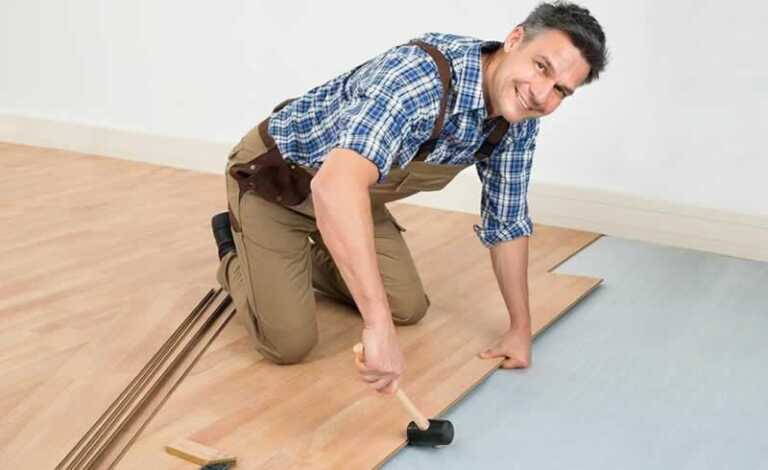
- Start installing the flooring: Start at one corner of the room and work your way across, laying the flooring row by row. Make sure to use the spacers to maintain a consistent gap between the flooring and the walls.
- Cut around obstacles: Use a saw to cut the flooring around obstacles like doorways and pipes.
- Install the final row: The final row of flooring may need to be cut to fit, so make sure to measure carefully before cutting.
- Install baseboards and trim: Once the flooring is installed, you can reinstall the baseboards and trim.
Key Takeaways
Following these five pro tips and you’ll be able to install laminate flooring quickly and easily. Remember to choose the right type of laminate flooring for your home, acclimate the flooring to the room, measure twice and cut once, use the right tools and materials, and follow the installation instructions carefully.
Installing laminate flooring can be a rewarding DIY project, but it’s important to take your time and do it right. If you’re not comfortable with any of the steps involved, it’s always a good idea to consult with a professional. With the right tools, materials, and know-how, you’ll be able to lay down the perfect laminate floor in no time. Good luck!