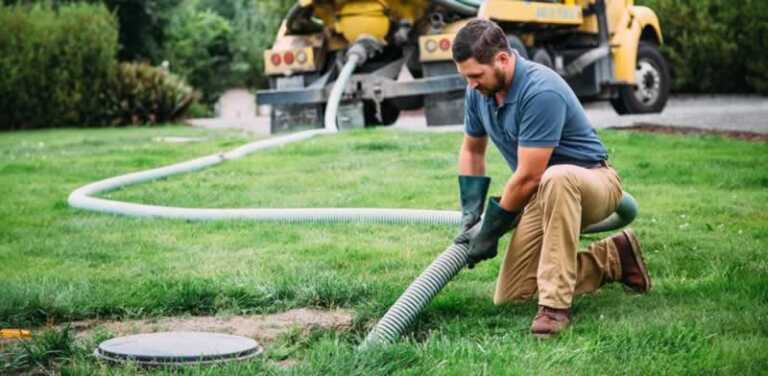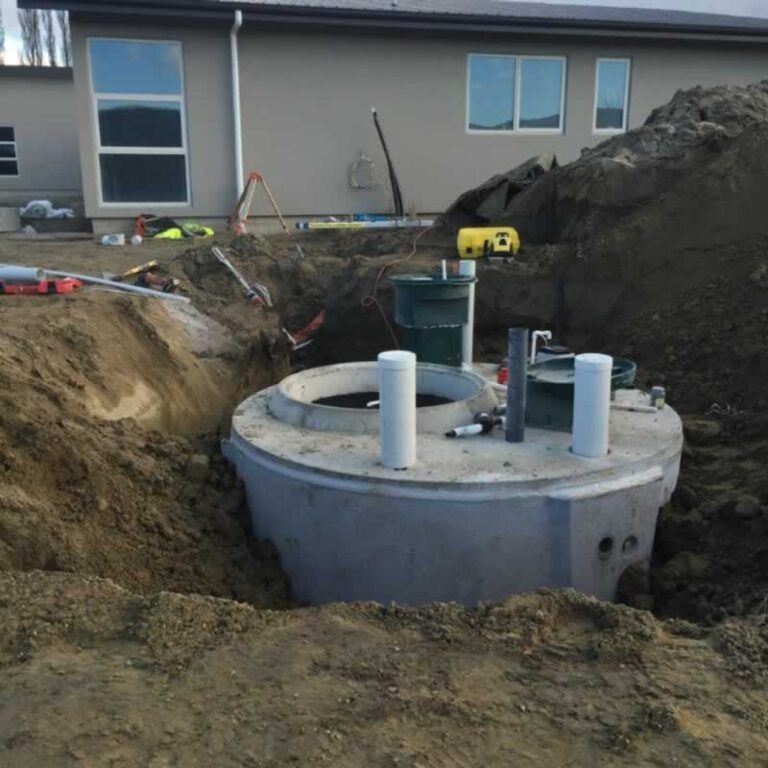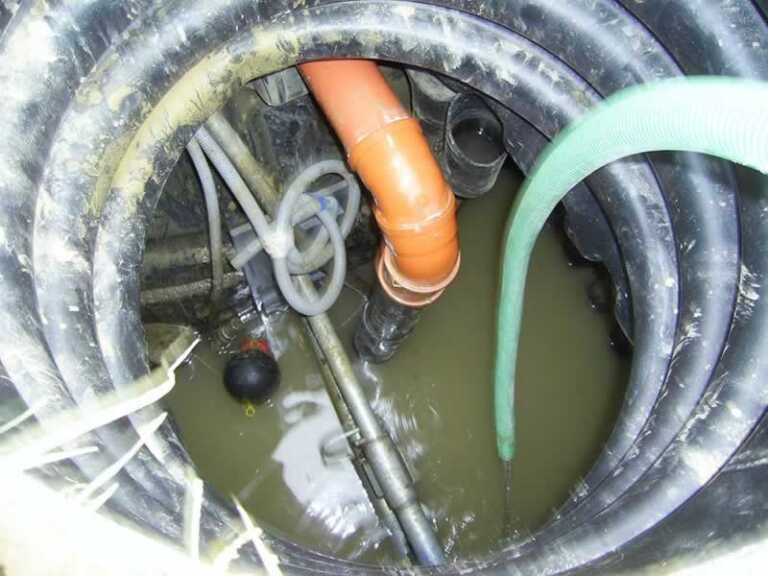

A new septic system can be installed when building a new home or replacing one that’s no longer working properly. When a new one is needed, it’s important to make the right decisions before the installation to ensure everything will work as expected. If you’re looking into getting a new septic system, use the following to help you with the planning.

Know What Type of System You Want
Before installing a new septic system, make sure you know what type of system would work best for your home. There are numerous systems, from conventional to aerobic or evapotranspiration systems. A professional can help you understand the differences between the types as well as help you choose one that’s right for your home, location, and other factors.
Determine Where the Septic System Will be Placed
It is a good idea to make sure the septic system is properly placed so it works correctly and isn’t going to cause any issues for your home. If there is an existing septic tank on the property, it may be necessary to find the old one so it can be removed and replaced or just to make sure the new installation won’t get in the way of one that’s no longer being used.
Think About What Size Will be Needed
Take some time to consider the size carefully. Larger homes will require a larger tank size, but the general recommendations may not be perfect for your home. You won’t want to have it emptied frequently or end up with a system that’s too large for your needs. Consider how large the home is, how many people live in the home, and other factors to pick out a size. If you are unsure, talk to a professional for help.

Make Sure You Comply With Local Laws
Local and regional laws and regulations may dictate where a septic system can be placed, how large it can be, how it’s installed, and more. The installer should be familiar with these laws and regulations, but it’s always a good idea to be aware of them to ensure compliance during the installation. A permit may be needed for the installation to make sure it’s done legally. If this is required, the installer should pull the permit for you before starting the work.
Think About How the Installation Will be Done
Once everything is picked out and you’re ready to begin, consider how the installation is done. Part of the yard will need to be dug to make room for the septic tank, so think about whether anything needs to be moved, even temporarily. Ask the installers if anything needs to be done before the installation, how the yard will be fixed after the installation, and what you can do to make sure the installation process goes smoothly.
A new septic tank is an investment into the property, so it’s important to make any decisions carefully. You’ll want to make sure you choose the right size, type, and location to avoid having to repair or empty your septic tank more frequently. The professionals handling the installation can answer any questions you might have and help you find the right one for your home. Schedule your installation today to start getting ready, then talk to the installers to learn more about what you need to know before the installation begins.